
When it comes to managing your back pain, one-size-fits-all solutions often fall short. Tailored treatments are essential because they consider your unique symptoms, lifestyle, and medical history, allowing for a more effective approach to pain relief. By focusing on your specific needs, healthcare providers can identify the root causes of your discomfort, leading to better outcomes. But what exactly does this personalized care entail, and how can it greatly change your experience with back pain?
Understanding Back Pain
Back pain is a common issue that affects millions of people at some point in their lives. You might find yourself dealing with a dull ache, sharp pain, or stiffness that makes daily activities challenging. Understanding the nature of your back pain is the first step toward effective management.
There are various types of back pain, including acute and chronic. Acute pain often comes on suddenly, usually as a result of an injury or strain. This type typically lasts a few days to a few weeks. On the other hand, chronic back pain persists for three months or longer, often requiring a different approach to treatment.
Your back is a complex structure, composed of bones, muscles, ligaments, and nerves. When any of these components are strained or injured, it can lead to pain. Posture, physical activity, and even emotional stress can impact how your back feels.
You may notice that certain movements or positions exacerbate your discomfort, indicating specific areas of concern. Additionally, understanding your pain's location can offer clues about its source. For instance, pain that radiates down your leg may suggest nerve involvement, while localized pain might indicate muscle or joint issues.
Factors Influencing Treatment
Several factors play a significant role in determining the most effective treatment for your back pain. First, consider the underlying cause of your pain. Whether it's due to a herniated disc, muscle strain, or degenerative conditions, understanding this is vital for selecting the right approach.
Your medical history also influences treatment options. If you've previously had surgeries or injuries, these can affect what methods are safe and effective for you.
Next, think about your lifestyle. If you're active or have a physically demanding job, certain treatments may need to accommodate your daily activities. On the other hand, if your lifestyle is more sedentary, the focus might shift to exercises designed to strengthen your back and improve flexibility.
Age is another important factor. Younger individuals may respond differently to treatment than older adults, who might've additional considerations like osteoporosis.
Your personal preferences and comfort level with various treatments also matter. Some people prefer holistic approaches, such as chiropractic care or acupuncture, while others might lean toward conventional treatments like medication or physical therapy.
Finally, don't overlook psychological factors. Stress and anxiety can exacerbate back pain, so addressing mental health might be just as important as physical interventions.
Benefits of Personalized Care
When you receive personalized care for back pain, you're more likely to get an individualized treatment plan that fits your specific needs.
This tailored approach can lead to enhanced recovery outcomes, helping you get back to your daily activities faster.
Individualized Treatment Plans
Personalized care in back pain treatment offers substantial advantages that can greatly enhance your recovery process. When you receive an individualized treatment plan, your specific symptoms, lifestyle, and medical history are taken into account. This means your treatment isn't just a one-size-fits-all approach; it's tailored to address your unique needs.
With an individualized plan, you can expect more effective pain management strategies. Whether it's physical therapy, medication, or alternative therapies, the options will be selected based on what works best for you. This personalized approach can lead to quicker relief and improved functionality in your daily life.
Moreover, individualized plans encourage active participation in your recovery. You're more likely to stay engaged and motivated when you see how the treatment fits your personal goals. This can greatly boost your adherence to the prescribed regimen, leading to better outcomes.
Finally, personalized care fosters a stronger relationship with your healthcare provider. Open communication helps guarantee that your concerns are addressed, and adjustments can be made as your condition evolves.
In short, individualized treatment plans empower you to take control of your back pain journey.
Enhanced Recovery Outcomes
Achieving enhanced recovery outcomes is a key benefit of personalized care in back pain treatment. When your treatment plan is tailored specifically to your needs, you're more likely to experience significant improvements.
Personalized care addresses the unique causes of your pain, ensuring that you get the most effective therapies for your situation. Here are some benefits you can expect:
- Faster Pain Relief: Targeted treatments can reduce your pain levels more quickly.
- Improved Functionality: Customized exercises help restore your mobility and strength.
- Greater Satisfaction: You're more likely to feel heard and understood, enhancing your overall experience.
- Fewer Side Effects: Personalized plans minimize the risk of adverse reactions from generic treatments.
- Long-term Solutions: Tailored approaches focus on preventing future issues, not just treating the current pain.
Common Tailored Treatment Options
Back pain can vary greatly from person to person, making tailored treatment options vital for effective relief. You have several choices available, each designed to address your specific needs.
One common option is physical therapy. A physical therapist can create a personalized exercise program that strengthens your back muscles, improves flexibility, and enhances your posture. This approach not only alleviates pain but also helps prevent future issues.
If your pain is more acute or severe, medications might be a suitable option. Over-the-counter pain relievers like ibuprofen or acetaminophen can offer quick relief. In some cases, your doctor might prescribe stronger medications, such as muscle relaxants or anti-inflammatory drugs.
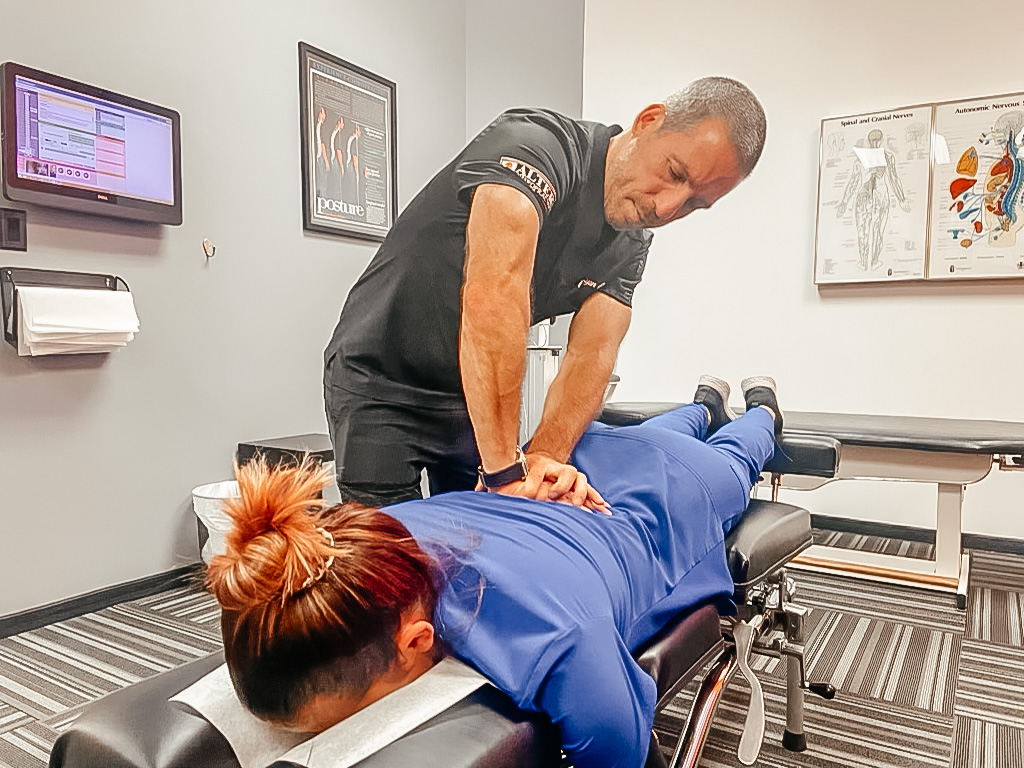
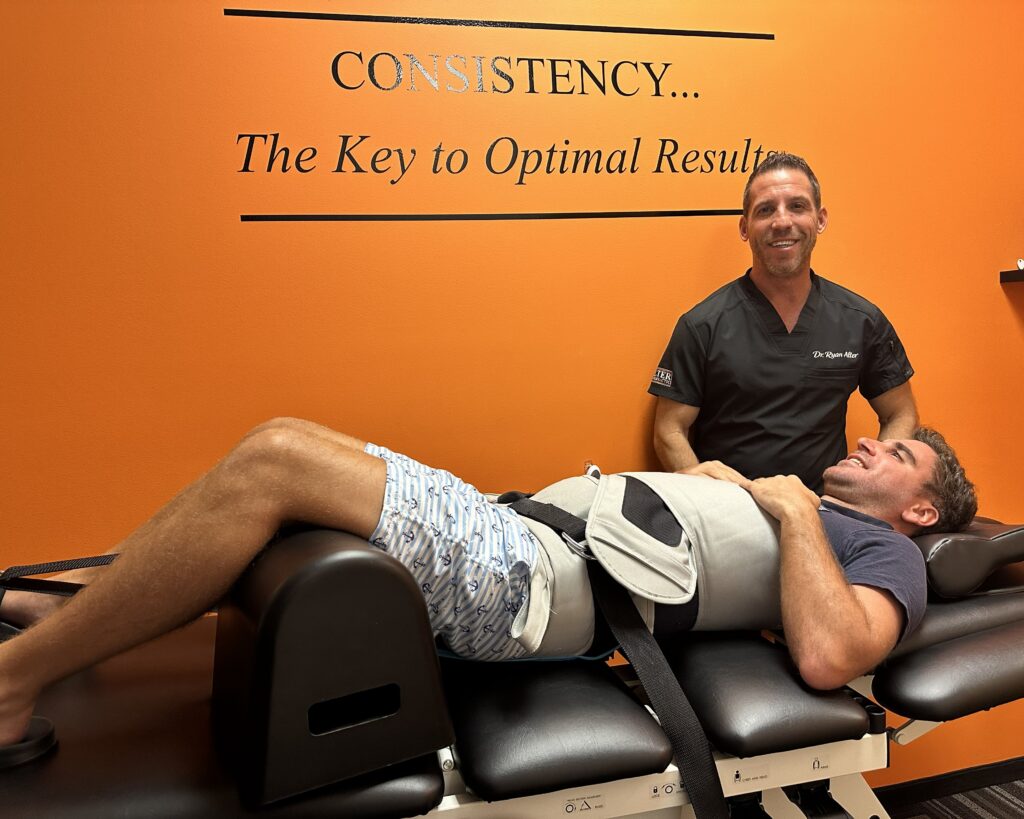
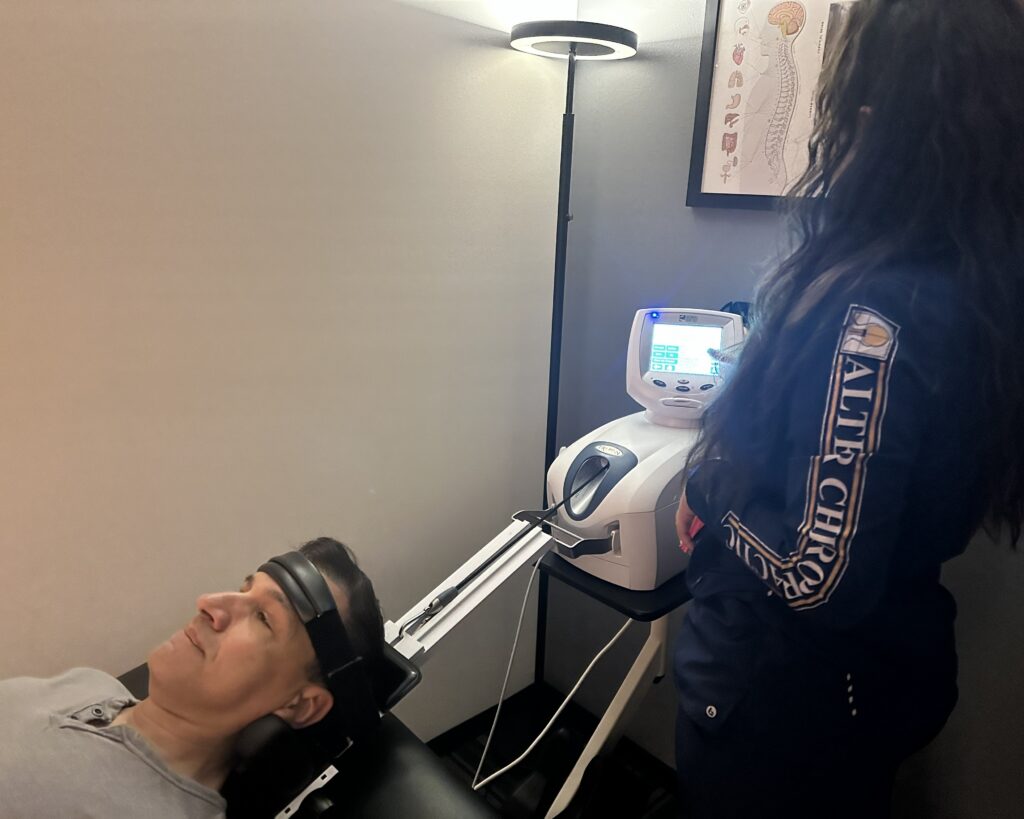
For those dealing with chronic pain, alternative therapies like acupuncture or chiropractic care can be beneficial. These treatments focus on restoring balance and relieving tension in the body. They often complement traditional medical approaches, providing a holistic solution to your back pain.
Another tailored treatment option is the use of ergonomic adjustments. Modifying your workspace or daily activities can greatly reduce strain on your back. Investing in ergonomic furniture or practicing proper lifting techniques can make a world of difference.
Lastly, lifestyle changes, such as weight management and regular exercise, can be essential in managing back pain. By adopting a healthier lifestyle, you'll not only relieve existing pain but also enhance your overall well-being.
Each of these tailored options can help you find the relief you need and regain control over your life.
Role of Healthcare Professionals
Healthcare professionals play an essential role in managing your back pain effectively. They bring expertise, personalized assessments, and tailored treatment plans to help you navigate the complexities of your condition.
Whether it's a physical therapist, chiropractor, or physician, their insights can greatly impact your recovery journey.
Here's how they contribute:
- Comprehensive Assessment: They evaluate your medical history, lifestyle, and specific symptoms to understand the root cause of your pain.
- Customized Treatment Plans: Based on your unique situation, they design a treatment strategy that may include exercises, medications, or alternative therapies.
- Education and Guidance: They provide valuable information on posture, ergonomics, and lifestyle adjustments to prevent future issues.
- Monitoring Progress: Regular check-ins allow them to track your progress, making necessary adjustments to your treatment plan as needed.
- Support and Motivation: They encourage you to stay committed to your recovery, helping you overcome obstacles and setbacks.
Case Studies and Success Stories
Through real-life examples, case studies and success stories illustrate the transformative impact of tailored treatments for back pain.
One patient, Sarah, struggled for years with chronic pain that limited her mobility. After a thorough assessment, her healthcare team crafted a personalized treatment plan, combining physical therapy, acupuncture, and lifestyle changes. Within months, she noticed significant improvements, regaining her ability to play with her kids and enjoy daily activities.
Another compelling case is that of John, a construction worker whose job required heavy lifting. He experienced debilitating lower back pain that forced him to take time off work. By implementing a tailored approach that included strength training and ergonomic adjustments at work, John not only alleviated his pain but also increased his productivity. His employer even reported fewer accidents on-site since John began following his customized regimen.
Then there's Emma, who'd tried various over-the-counter pain relievers with little success. After working with a specialist, she discovered that her pain stemmed from a combination of stress and poor posture. With a tailored plan that included mindfulness techniques and posture correction exercises, Emma saw a drastic reduction in her discomfort.
These stories highlight how personalized care can yield impressive results. By addressing each individual's unique needs, tailored treatments empower you to reclaim your life from back pain and improve your overall well-being.
Your journey could be next, proving that with the right approach, lasting relief is possible.
Future of Back Pain Management
As you consider the future of back pain management, personalized treatment approaches are becoming increasingly important.
Advancements in technology and a focus on holistic healing methods are reshaping how you can find relief.
Embracing these innovations will help you tailor your care to better suit your unique needs.
Personalized Treatment Approaches
Personalized treatment approaches are revolutionizing how we manage back pain, tailoring solutions to fit individual needs and conditions. You're no longer stuck with one-size-fits-all remedies that may or may not work for you. Instead, these customized strategies focus on your unique circumstances, guaranteeing that the treatment you receive is effective and relevant.
Here are some key aspects of personalized treatment approaches:
- Comprehensive Assessments: You'll undergo thorough evaluations to identify the specific causes of your back pain.
- Targeted Therapies: Treatments like physical therapy, chiropractic adjustments, or acupuncture are chosen based on your diagnosis.
- Lifestyle Modifications: You'll receive guidance on exercise, nutrition, and ergonomics to support your recovery and prevent future issues.
- Medication Management: Medication plans are tailored to your pain level, health history, and potential side effects.
- Ongoing Monitoring: Regular follow-ups guarantee that your treatment is adjusted as needed, adapting to your progress.
Advancements in Technology
The future of back pain management is getting a considerable boost from technological advancements that promise more effective and efficient treatments. You'll find innovations like AI-driven diagnostic tools that analyze your symptoms and medical history to create personalized treatment plans. This technology helps healthcare providers pinpoint the root causes of your pain more accurately, leading to targeted interventions.
Smart wearable devices are also making waves. These devices can monitor your posture and movement in real-time, providing feedback that encourages better habits and reduces strain on your back. Imagine receiving alerts when you're slouching or not lifting correctly—this could considerably decrease the risk of injury.
Additionally, telehealth platforms are transforming access to specialists. You can connect with experts from the comfort of your home, ensuring you receive timely advice without the hassle of travel.
Virtual reality is being used for pain management, offering immersive experiences that can help you learn coping strategies for your pain.
With these advancements, you're not just getting treatments; you're receiving tailored solutions that adapt to your unique situation, paving the way for a future where back pain management is more personalized and effective than ever before.
Holistic Healing Methods
While technology plays a significant role in modern back pain management, holistic healing methods are gaining recognition for their all-inclusive approach. These methods focus on treating the whole person rather than just the symptoms, offering you a more balanced way to manage your back pain.
Here are some holistic healing methods you might consider:
- Yoga: Enhances flexibility, strengthens muscles, and promotes relaxation.
- Acupuncture: Targets specific points on the body to alleviate pain and restore energy flow.
- Chiropractic Care: Adjusts the spine to improve alignment and reduce discomfort.
- Massage Therapy: Relieves tension in muscles and improves circulation, aiding recovery.
- Mindfulness and Meditation: Reduces stress, which can contribute to chronic pain.
Incorporating these methods into your back pain management plan can provide you with a thorough strategy. They not only address physical symptoms but also promote mental well-being.
Conclusion
In summary, tailored treatments for back pain are essential for your recovery journey. By addressing your unique symptoms and lifestyle factors, healthcare providers can create a personalized plan that truly works for you. This approach not only enhances your motivation and adherence to treatment but also empowers you to take control of your pain management. As you explore these options, remember that the right support can greatly improve your quality of life and functional capabilities.