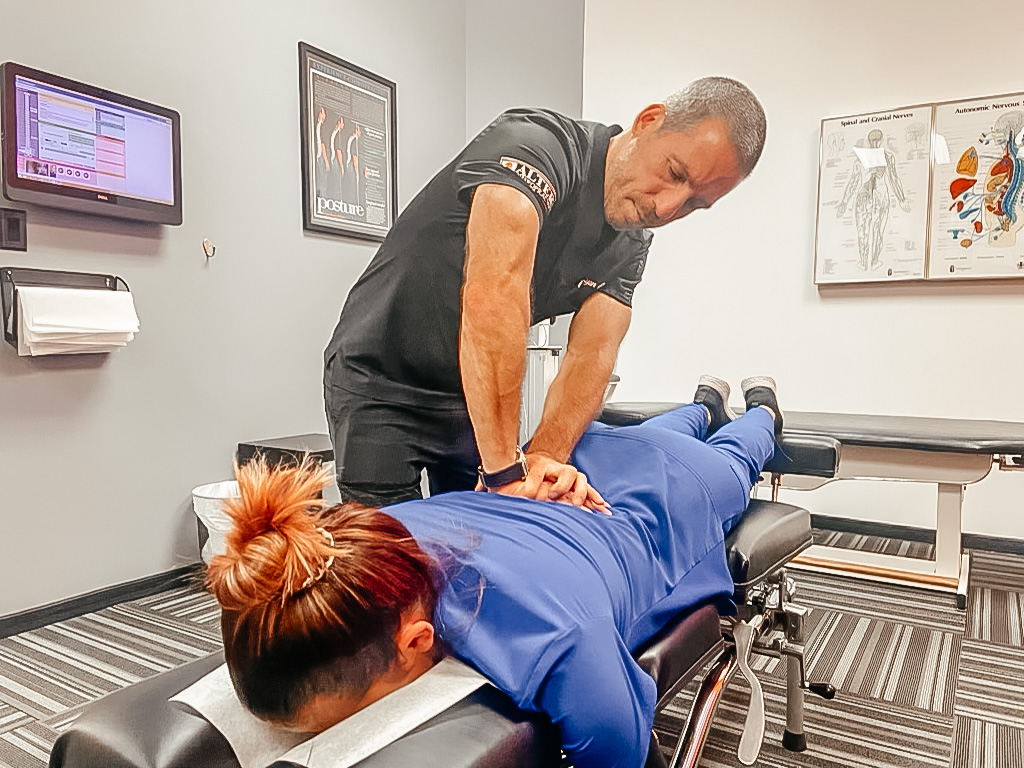

You might be surprised to know that relieving stress doesn't always require drastic measures or expensive treatments. Instead, there are numerous non-invasive methods you can easily incorporate into your daily routine. From mindfulness meditation to engaging in creative hobbies, these strategies can greatly enhance your well-being. As you explore these approaches, consider which ones resonate with you and how they might fit into your life. You'll likely find that some simple adjustments can make a substantial difference. Curious about which methods can be most effective for your situation?
Practice Mindfulness Meditation
When life feels overwhelming, practicing mindfulness meditation can help you ease your mind and regain focus. It's a simple yet powerful technique that allows you to connect with the present moment. By dedicating just a few minutes each day, you can cultivate a sense of calm and clarity that permeates throughout your life.
Begin by finding a quiet space where you won't be disturbed. Sit comfortably, close your eyes, and take a few deep breaths. As you inhale and exhale, focus on the rhythm of your breath. Notice how it feels as air fills your lungs and then leaves your body. If your mind starts to wander—and it will—gently guide your attention back to your breath. This practice trains your mind to stay present and reduces anxiety.
You might also want to incorporate specific mindfulness techniques, such as body scanning or loving-kindness meditation. Body scanning involves directing your attention to different parts of your body, releasing tension as you go. Loving-kindness meditation focuses on sending positive thoughts to yourself and others, fostering compassion and connection.
Consistency is key. Aim to practice mindfulness meditation daily, even if it's just for five minutes. Over time, you'll notice that you're not only better equipped to handle stress but also more attuned to your thoughts and emotions.
Embrace these moments of stillness; they can transform your approach to life's challenges and enhance your overall well-being.
Engage in Regular Exercise
Engaging in regular exercise is one of the most effective ways to boost your mental health and relieve stress.
Whether you prefer running, yoga, or weightlifting, finding a type of exercise that you enjoy can make all the difference.
Types of Exercise
How can different types of exercise help you relieve stress? Engaging in various physical activities can greatly boost your mood and help you unwind. For instance, aerobic exercises like running, cycling, or swimming get your heart rate up and release endorphins, which are your body's natural stress relievers.
On the other hand, strength training, such as weightlifting or resistance exercises, can also be effective. These workouts not only build muscle but also provide a sense of accomplishment, which can enhance your self-esteem and reduce anxiety.
Don't overlook activities like yoga or Pilates, which combine physical movement with mindfulness. They encourage relaxation and deep breathing, helping to center your thoughts and calm your mind.
Moreover, team sports or group classes can foster social connections, offering both physical and emotional support. If you prefer a more leisurely pace, walking in nature can also be incredibly therapeutic.
Ultimately, finding the right type of exercise that you enjoy will make it easier to incorporate into your routine, ensuring you reap the stress-relieving benefits consistently.
Benefits for Mental Health
Regular exercise serves as a powerful tool for enhancing mental health. When you engage in physical activity, your body releases endorphins, often referred to as "feel-good" hormones. These chemicals can elevate your mood, reduce feelings of anxiety, and lead to a general sense of well-being.
You'll notice that even short bursts of exercise can help clear your mind and boost your energy levels.
Additionally, regular workouts can improve your self-esteem and confidence. As you achieve your fitness goals, whether big or small, you'll feel a sense of accomplishment that transcends just the physical aspects. This newfound confidence can empower you to tackle everyday challenges with a more positive outlook.
Moreover, exercise acts as a natural stress reliever. By focusing on your movements and breathing, you give your mind a break from daily worries. It's a productive way to channel your energy, reducing symptoms of stress and depression.
Finally, exercising regularly fosters social connections when you join classes or groups. Building relationships through shared activities can provide emotional support, further enhancing your mental resilience.
Establishing a Routine
To establish a successful exercise routine, consistency is key. You don't need to hit the gym every day; instead, find activities you enjoy and can easily incorporate into your life. Whether it's a brisk walk, yoga, or cycling, choose something that excites you.
Start by setting realistic goals—aim for at least 150 minutes of moderate exercise each week.
Scheduling your workouts can also help. Treat them like any other important appointment. Block out time in your calendar and stick to it. Morning workouts can energize your day, while evening sessions can help you unwind.
Don't forget to mix it up! Variety keeps things fresh and prevents boredom. Explore different classes, outdoor activities, or even team sports.
Listening to your body is essential. If you're feeling fatigued or sore, take a break or opt for lighter activities. Celebrate small victories along the way to stay motivated.
Finally, remember that the goal isn't perfection—it's progress. By establishing a routine you enjoy, you'll not only relieve stress but also boost your overall well-being. So lace up those shoes and get moving!
Utilize Deep Breathing Techniques
Deep breathing techniques can be a powerful tool in managing stress and promoting relaxation. When you take a moment to focus on your breath, you engage your body's natural calming response. This simple practice can help you regain control over your thoughts and emotions, especially during overwhelming situations.
To get started, find a quiet space where you won't be disturbed. Sit comfortably or lie down, and close your eyes if that feels good. Begin by inhaling deeply through your nose, allowing your abdomen to expand fully. Count to four as you breathe in, then hold your breath for a count of four.
Next, exhale slowly through your mouth for a count of six or eight. This extended exhale helps release tension and stress. Repeat this cycle for five to ten minutes, focusing solely on your breath.
As you practice deep breathing, notice how each inhale fills you with calm and positivity, while each exhale releases anxiety and negativity. If your mind wanders, gently bring your focus back to your breath without judgment.
With regular practice, you'll find it easier to access this relaxation technique in moments of stress.
Explore Aromatherapy Options
Finding calm through deep breathing can set the stage for exploring other stress-relief techniques, such as aromatherapy. This holistic approach harnesses the power of essential oils to promote relaxation and reduce anxiety. You can easily incorporate aromatherapy into your daily routine, whether at home, work, or on the go.
Start by selecting essential oils known for their calming properties. Lavender, chamomile, and bergamot are excellent choices. You can use them in various ways—diffusing them in your living space, adding a few drops to your bath, or applying them topically (diluted with a carrier oil). Each method allows the soothing scents to envelop you, enhancing your relaxation experience.
If you prefer a portable option, consider using an essential oil roller. These small bottles are easy to carry, letting you enjoy the benefits of aromatherapy whenever you need a moment of peace. Simply roll the oil onto your wrists or behind your ears, and take a deep breath to inhale the calming aroma.
You might also explore scented candles or incense to create a tranquil atmosphere. Lighting a candle with essential oils can transform your environment and help you unwind after a hectic day.
Experiment with different scents to find what resonates with you, as personal preference plays a significant role in the effectiveness of aromatherapy.
Maintain a Balanced Diet
A balanced diet plays an important role in managing stress and promoting overall well-being. When you nourish your body with the right foods, you provide it with the necessary nutrients to function effectively. This, in turn, helps regulate your mood and energy levels, making it easier to handle stress.
Start by incorporating a variety of fruits and vegetables into your meals. These foods are rich in vitamins, minerals, and antioxidants that combat oxidative stress and inflammation. Aim for colorful plates, as different colors often represent different nutrients.
Whole grains, like quinoa and brown rice, are excellent sources of fiber, which stabilizes blood sugar levels and keeps your energy steady throughout the day.
Don't forget about healthy fats. Avocados, nuts, and olive oil aren't only delicious but also support brain health. Omega-3 fatty acids found in fish like salmon can further enhance your mood and reduce anxiety.
Try to limit processed foods and sugary snacks, as these can lead to mood swings and increased stress levels. Staying hydrated is just as vital. Water helps maintain cognitive function and energy levels. So, make sure you're drinking enough throughout the day.
Finally, consider practicing mindful eating. Pay attention to what you eat, savor each bite, and notice how different foods affect your mood. By maintaining a balanced diet, you create a strong foundation for your mental health, making it easier to navigate life's challenges.
Spend Time in Nature
Spending time in nature can considerably enhance your stress relief efforts, complementing the benefits of a balanced diet. When you step outside and immerse yourself in the natural world, you're not just enjoying the scenery; you're also giving your mind and body a chance to recharge. The sights, sounds, and smells of nature can have a calming effect, helping to lower your cortisol levels and promote a sense of well-being.
Whether you take a walk in the park, hike through the woods, or simply sit by a lake, being outdoors encourages mindfulness. You'll find that focusing on the present moment—like watching the leaves rustle or listening to birds chirp—can distract you from daily stressors.
Plus, the fresh air invigorates your body, improving your mood and energy levels. Try to make it a habit to spend time outside regularly. Even a short daily walk can make a difference in how you feel.
If you can, plan weekend outings to nearby nature trails or beaches to connect more deeply with the environment. You might also consider joining a local nature group, where you can share your experiences and connect with others who appreciate the outdoors.
Incorporating nature into your routine doesn't have to be complicated. Just remember, the more you engage with the natural world, the more you'll cultivate a sense of peace and resilience against stress.
Cultivate a Creative Hobby
Cultivating a creative hobby can greatly boost your mental wellbeing and provide a much-needed escape from daily stressors.
Engaging in activities like painting, writing, or crafting not only enhances your problem-solving skills but also fosters social connections with others who share your interests.
Boosts Mental Wellbeing
Engaging in a creative hobby can greatly boost your mental wellbeing. When you immerse yourself in activities like painting, writing, or playing music, you allow your mind to escape from daily stressors. This shift in focus can help reduce anxiety and elevate your mood.
Creativity often fosters a sense of accomplishment. Each time you complete a project, no matter how big or small, you experience a rush of satisfaction. This feeling can combat negative thoughts and build a more positive self-image.
Moreover, creative hobbies provide an outlet for self-expression. They give you the freedom to explore your emotions, helping you process feelings you mightn't otherwise confront. This emotional release can lead to greater overall happiness and a clearer mindset.
Social interaction can also come from creative pursuits. Joining a class or a community group allows you to connect with others who share your interests, building supportive relationships that further enhance your mental wellbeing.
Incorporating a creative hobby into your routine isn't just fun; it's an effective way to nurture your mind and cultivate a healthier, more balanced life.
Enhances Problem-Solving Skills
A creative hobby can greatly enhance your problem-solving skills in surprising ways. When you engage in activities like painting, writing, or playing music, you stimulate your brain to think outside the box. This shift in perspective helps you develop flexible thinking, allowing you to approach challenges with fresh ideas.
As you immerse yourself in your hobby, you're likely to encounter obstacles—whether it's finding the right color, crafting the perfect sentence, or mastering a tricky chord. Each of these challenges teaches you to evaluate different solutions, weigh their effectiveness, and adapt your strategy. This practice translates seamlessly into real-life problem-solving situations.
Moreover, creative hobbies encourage experimentation without the fear of failure. You learn to embrace mistakes as valuable lessons, which fosters resilience.
This mindset can be incredibly beneficial when tackling stressors in your daily life, as it empowers you to approach problems with confidence and creativity.
Fosters Social Connections
Creative hobbies not only enhance your problem-solving skills but also serve as a powerful tool for fostering social connections. When you engage in activities like painting, writing, or crafting, you naturally attract like-minded individuals who share your interests.
These connections can lead to friendships, collaborations, and even support networks that can greatly reduce stress.
Here are some ways to foster social connections through creative hobbies:
- Join a class or workshop: Learning alongside others can help you meet new people and share experiences.
- Participate in online forums: Engage with creative communities on platforms like Reddit or Facebook to exchange ideas and feedback.
- Attend local events: Art shows, writing groups, or crafting fairs are excellent opportunities to connect face-to-face.
- Start a project with friends: Collaborate on a creative endeavor, like a book club or a DIY project, to strengthen your bonds.
- Volunteer your skills: Offer your creative talents to local charities or organizations, allowing you to meet new people while giving back.
Prioritize Sleep Hygiene
Many people underestimate the importance of sleep hygiene in managing stress. You mightn't realize how much quality sleep affects your mood, energy levels, and overall well-being. Prioritizing sleep hygiene means creating an environment and routine that promotes restorative rest, helping you tackle stress more effectively.
Start by establishing a consistent sleep schedule. Go to bed and wake up at the same time every day, even on weekends. This helps regulate your body's internal clock, making it easier to fall asleep and wake up refreshed.
Next, create a calming bedtime routine. Engage in relaxing activities like reading or meditating to signal to your body that it's time to wind down.
Your sleep environment matters too. Keep your bedroom dark, quiet, and cool. Consider using blackout curtains, earplugs, or a white noise machine if needed. Make sure your mattress and pillows are comfortable; they play a significant role in your sleep quality.
Limit exposure to screens at least an hour before bed. The blue light emitted by phones, tablets, and computers can interfere with your ability to fall asleep. Instead, opt for calming activities that don't involve screens.
Lastly, be mindful of your food and drink intake. Avoid heavy meals, caffeine, and alcohol close to bedtime.
Connect With Loved Ones
Connecting with loved ones can greatly lighten your stress load.
Whether you spend quality time together in person or opt for virtual hangouts, these moments can bring joy and comfort.
Don't hesitate to share your feelings; opening up to someone you trust can be incredibly relieving.
Quality Time Together
Quality time with loved ones is essential for reducing stress and enhancing emotional well-being. When you connect with family and friends, you create a support system that helps you navigate life's challenges.
Here are some enjoyable ways to spend quality time together:
- Cook a meal: Gather everyone in the kitchen, share recipes, and enjoy the process of creating something delicious together.
- Play games: Whether board games, card games, or video games, friendly competition can lighten the mood and spark laughter.
- Go for a walk: Enjoy nature while engaging in meaningful conversations. A simple walk can clear your mind and strengthen bonds.
- Have a movie night: Choose a theme, prepare some snacks, and snuggle up for an evening filled with entertainment and joy.
- Volunteer together: Helping others not only brings you closer but also fosters a sense of purpose and fulfillment.
Virtual Hangouts Options
In today's digital age, countless options exist for virtually hanging out with loved ones, making it easier than ever to maintain connections despite physical distance. You can choose from various platforms, whether you prefer video calls, voice chats, or simple messaging apps. Apps like Zoom, Skype, or FaceTime let you see each other's faces, creating a sense of presence that phone calls can't match.
Consider hosting a virtual game night with friends or family using platforms like Jackbox Games or online board games. This can add fun and laughter to your gatherings.
If you're looking for something more relaxed, schedule a virtual coffee or tea break. You can sip your favorite beverage while catching up, just like old times.
You can also explore creative activities together, like cooking the same recipe or watching a movie simultaneously using services like Teleparty. These shared experiences can help strengthen your bond and relieve stress.
Remember to be intentional about scheduling these hangouts. Making time for loved ones, even virtually, can greatly boost your mood and create a sense of belonging, proving that distance doesn't have to diminish the quality of your relationships.
Share Your Feelings
Sharing your feelings with loved ones can greatly ease stress and foster deeper connections. When you express what's on your mind, you not only lighten your emotional load, but you also invite those close to you to do the same. This exchange builds trust and understanding, creating a supportive environment where everyone feels valued.
Here are some effective ways to share your feelings:
- Choose the right moment: Find a comfortable setting where you can talk without distractions.
- Be honest and open: Share your feelings authentically; it's okay to be vulnerable.
- Listen actively: Encourage your loved ones to share too. Listen without interrupting or judging.
- Use "I" statements: Frame your feelings around personal experiences, like "I feel overwhelmed when…" to avoid sounding accusatory.
- Follow up: After sharing, keep the conversation going. Check in on how everyone is feeling later.
Limit Digital Distractions
Digital distractions can erode your focus and heighten stress levels, making it essential to set boundaries with technology. With constant notifications, social media updates, and endless online content, it's easy to become overwhelmed.
To regain control, start by identifying your primary sources of distraction. Is it your phone, computer, or perhaps specific apps?
Once you know what pulls your attention away, create a plan. Consider designating specific times for checking emails or social media, rather than allowing them to interrupt your day. You might also want to turn off non-essential notifications. This small change can drastically reduce the mental clutter that distracts you from your tasks.
Another effective strategy is to set physical boundaries. Create a tech-free zone in your home, like your bedroom or dining area, where you can unwind without the intrusion of screens.
When you do use technology, try using apps that promote focus, such as timers or productivity tools that help you stay on task.
Lastly, remember to take regular breaks away from screens. Step outside for fresh air, stretch, or practice mindfulness. These activities can recharge your mind and help you return to your tasks with renewed focus.
Conclusion
Incorporating these non-invasive stress relief methods into your daily life can make a significant difference in your overall well-being. By practicing mindfulness, staying active, and connecting with loved ones, you'll not only manage stress but also enhance your happiness. Don't forget to prioritize sleep and limit digital distractions for a clearer mind. Explore what works best for you, and remember, small changes can lead to big improvements in how you feel every day.