
As a local chiropractor, I want to share some insights on the importance of recovery techniques when dealing with sports injuries. It's essential to understand that recovery goes beyond just physical rehabilitation; it encompasses a holistic approach that includes nutrition, mental health, and alternative therapies.
Many people may not realize how crucial tailored exercises and proper dietary choices are in the healing process. However, it's equally important to recognize the psychological aspects of recovery. The journey to healing is often complex, and knowing how to effectively navigate it can significantly enhance your recovery.
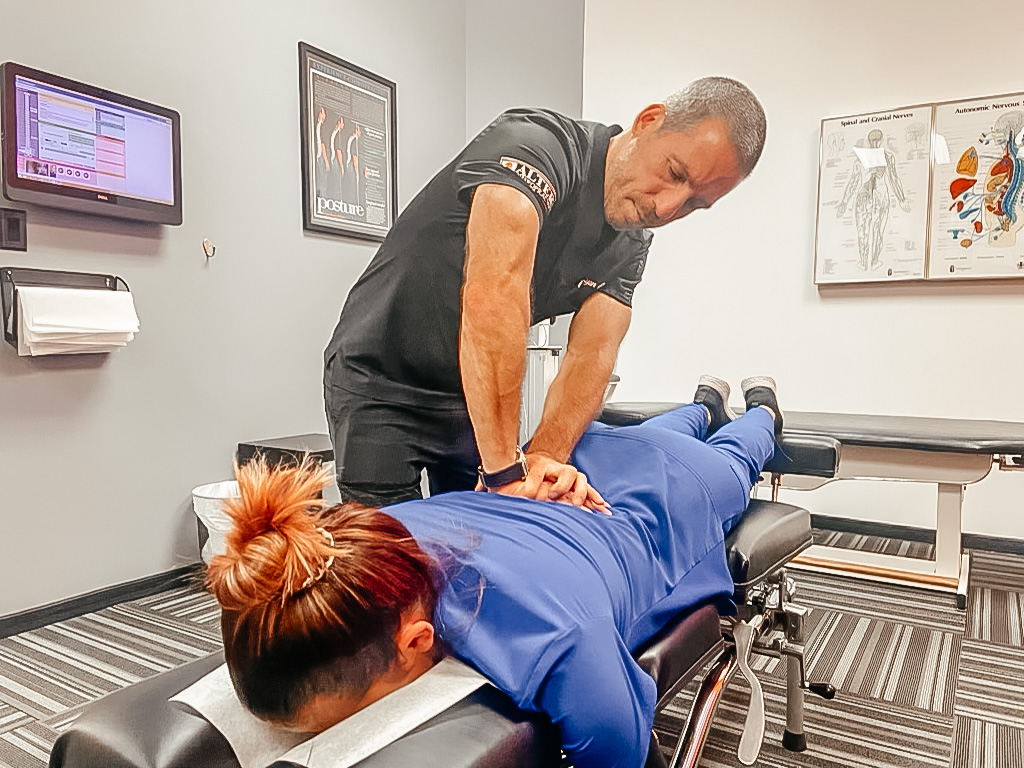
In my practice, I emphasize the integration of chiropractic care with other natural healing methods. This can include techniques such as spinal adjustments, which can help alleviate pain and improve mobility. Additionally, I encourage patients to consider their nutrition and mental well-being as integral parts of their recovery plan.
Let's delve into some expert strategies that can help you embrace a more comprehensive approach to your recovery, ensuring that you not only heal but also return to your sport stronger than before.
Understanding Your Injury
Understanding Your Injury: A Chiropractor's Perspective
As your chiropractor, I want to help you fully grasp the nature of your injury. It's vital to understand the specifics of your condition to facilitate effective recovery. Whether you've experienced a sprain, strain, or fracture, each type of injury has unique characteristics, symptoms, and healing timelines.
Start by paying attention to where you're feeling pain and how the injury occurred. Did you twist your ankle during a game, or did you suddenly feel a sharp pain in your knee while running? These details are crucial for us to work together effectively in your healing process.
Next, let's explore the anatomy involved in your injury. Understanding the muscles, ligaments, and tendons that may be affected can significantly enhance your recovery journey. For example, if you've injured your hamstring, knowing its function and how it interacts with surrounding muscles can provide valuable insight into your rehabilitation plan.
This knowledge empowers you to be an active participant in your healing.
Recognizing the severity of your injury is equally important. Mild injuries may respond well to rest and ice, while more severe cases might require a comprehensive approach, including chiropractic adjustments or physical therapy.
Obtaining an accurate diagnosis helps us create a tailored treatment plan that addresses your specific needs and minimizes the risk of further complications.
Lastly, let's not overlook the psychological component of your injury. Understanding how your condition affects your mindset and motivation can be just as crucial as the physical aspects.
A positive outlook and a clear understanding of your injury can significantly impact your recovery process. So, take the time to educate yourself about your injury; it's an essential step toward regaining your strength and returning to the activities you love.
Together, we can navigate your healing journey through a holistic approach that emphasizes natural healing and overall well-being.
Importance of Early Intervention
Recognizing the signs of injury early can greatly enhance your recovery process, and as a local chiropractor, I want to emphasize the importance of paying attention to your body. If you begin to experience pain, swelling, or discomfort, it's crucial to listen to these signals instead of trying to push through them.
Overlooking these early warning signs can lead to more serious injuries that may keep you away from the activities you love for extended periods.
When you seek chiropractic care promptly, you set yourself up for a more effective and natural recovery. Early assessment allows me to evaluate the extent of your injury accurately and develop a personalized treatment plan that may include gentle adjustments, rehabilitation exercises, and lifestyle recommendations.
These interventions can help alleviate pain and promote healing in a way that respects your body's natural processes.
Additionally, addressing an injury at its onset is key to preventing chronic issues from developing. By taking action early, you significantly reduce the risk of experiencing long-term complications that could hinder your performance and overall health.
As a chiropractor, I prioritize your well-being, and by getting the right care early on, you can minimize the likelihood of re-injury, which is a common challenge for those who ignore their bodies' messages.
Beyond the physical aspect, early intervention in chiropractic care can also provide psychological benefits. Knowing you're actively working towards healing can elevate your confidence and motivation.
You'll feel empowered as you concentrate on recovery, rather than being held back by fear of further injury. Remember, taking prompt action is crucial to getting back on track and enjoying your favorite activities again.
Don't hesitate to reach out for support; together, we can navigate your healing journey effectively.
Rehabilitation Exercises
As a local chiropractor, I want to emphasize the importance of rehabilitation exercises in your recovery journey after an injury. Early intervention is crucial, but the next step involves incorporating specific exercises to help you restore strength, flexibility, and stability in the affected area. This not only aids in your recovery but also helps prevent future injuries.
Let's start with some gentle range-of-motion exercises. These are designed to stretch the injured area carefully, reducing stiffness and enhancing mobility. For instance, if you've injured your ankle, simple movements like ankle circles or toe taps can keep your joint flexible.
As you feel more comfortable, we can progress to strengthening exercises. These might involve using resistance bands or your own body weight to target the muscles around the injury.
Balance exercises also play a vital role, especially if your injury is in the lower body. Incorporating activities like single-leg stands or using wobble boards can significantly improve your stability and coordination, which are essential for safely returning to your favorite activities or sports.
As you advance, we can include functional movements that closely mimic the actions you perform in your sport, effectively bridging the gap between rehabilitation and a full return to play.
It's crucial to listen to your body throughout this process. If you experience pain during any exercise, please stop and consult with me or another healthcare professional.
Consistency is key to your recovery, so I encourage you to set a regular schedule for your rehabilitation routine and adhere to it. As your strength improves, we'll gradually increase the intensity and complexity of the exercises.
By diligently incorporating these rehabilitation exercises into your routine, you'll not only recover effectively but also build a solid foundation for your future health and athletic endeavors.
Physical Therapy Techniques
When recovering from a sports injury, understanding the role of chiropractic care and natural healing can significantly enhance your recovery process.
As a chiropractor, I emphasize the importance of various techniques that can aid in your healing journey. We utilize manual therapy approaches to help realign your spine and joints, which can alleviate pain and improve function.
Additionally, we offer exercise rehabilitation programs tailored to your specific needs, designed to restore strength and mobility.
We also incorporate various modalities for pain relief, such as massage therapy and ultrasound, to complement your treatment.
Each of these methods plays a vital role in helping you regain your strength, mobility, and confidence, allowing you to return to your sport with a renewed sense of well-being.
Manual Therapy Approaches
As a local chiropractor, I want to introduce you to the valuable role manual therapy techniques play in natural healing and recovery. These hands-on methods are vital in helping you recover from injuries and restore your body's peak function.
By utilizing techniques such as joint mobilization, soft tissue manipulation, and myofascial release, you can experience significant improvements in your pain levels, mobility, and overall recovery process.
Joint mobilization involves applying carefully controlled pressure to specific joints, which can enhance movement and alleviate stiffness. Soft tissue manipulation focuses on relieving muscle tension, thereby reducing pain and improving blood circulation. Myofascial release is another important technique that aims to ease tension in the fascia—the connective tissue surrounding your muscles—ultimately leading to improved functional movement.
Effective communication with your chiropractor is crucial during your manual therapy sessions. By sharing your symptoms and progress, we can tailor the techniques to meet your unique needs.
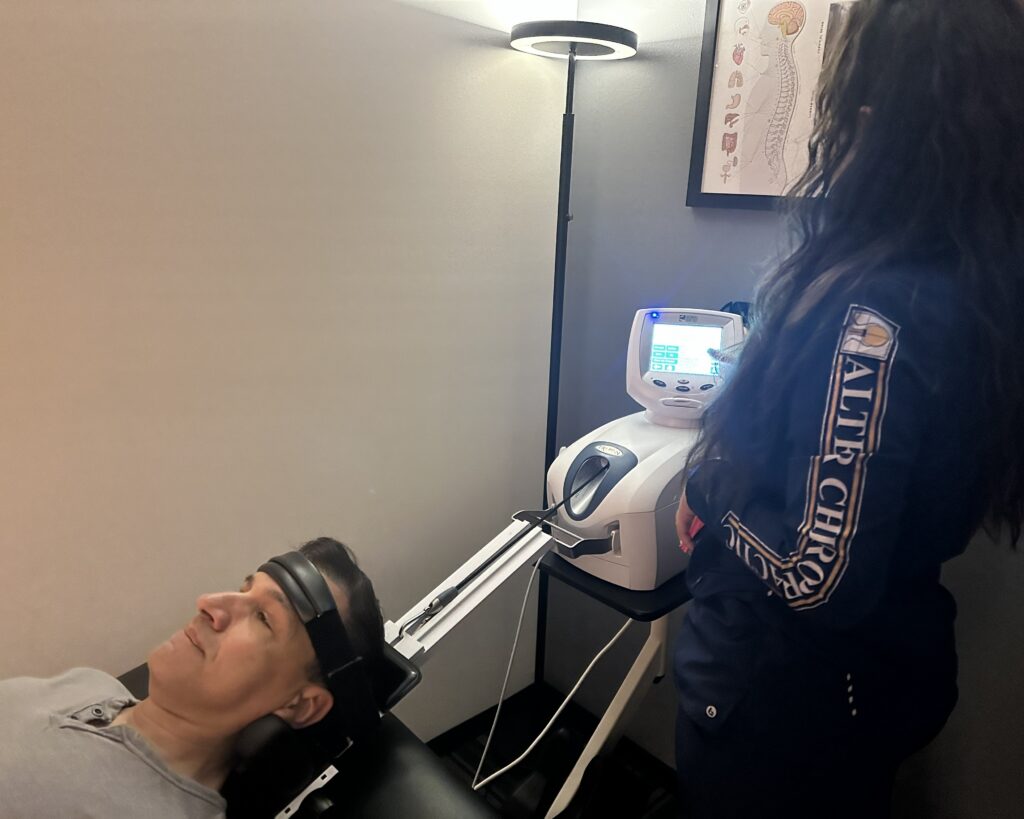
It's also important to remember that manual therapy often works best when combined with other natural healing modalities, such as ultrasound or electrical stimulation.
Incorporating manual therapy into your recovery plan can significantly accelerate healing and elevate your overall performance. By addressing the root causes of your injury, you'll be on a faster track to returning to the activities you enjoy.
Embracing chiropractic care as a natural approach to healing can make a meaningful difference in your journey to optimal health.
Exercise Rehabilitation Programs
As a local chiropractor, I want to help you understand the vital role that exercise rehabilitation programs play in your recovery process. These programs are specifically designed to help restore strength, flexibility, and functionality to any injured areas of your body.
Working alongside a skilled physical therapist, you'll receive a personalized exercise plan that caters to your unique needs, allowing you to progress safely and effectively.
At the beginning of your rehabilitation journey, your therapist will likely introduce gentle movements aimed at regaining your range of motion. As you grow stronger, the focus will shift to more intense and complex exercises. This may include strength training, balance activities, and functional movements that closely mimic the sports or daily tasks you enjoy.
This gradual progression is essential for rebuilding your confidence while also reducing the risk of re-injury.
Staying consistent with your exercise routine is crucial for achieving the best results. In addition to your therapy sessions, you may be given home exercises to reinforce what you've learned in the clinic.
Open communication with your therapist is essential, so don't hesitate to voice any concerns or challenges you may face. By actively engaging in your exercise rehabilitation program, you'll be setting the stage for a successful return to your favorite activities, equipped with the strength and skills needed to prevent future injuries.
Modalities for Pain Relief
Pain relief is an essential part of your healing journey, and as a local chiropractor, I want to share some effective natural techniques that can help you find relief. By integrating these modalities into your care, you'll not only manage your pain but also support your overall recovery.
Here are three approaches I recommend:
- Heat Therapy: Applying heat to affected areas can significantly enhance blood circulation, which helps relax tense muscles and ease discomfort. You can use a warm towel or a heating pad for focused relief on specific areas.
- Cold Therapy: Utilizing cold packs can be beneficial in minimizing inflammation and numbing acute pain. For the best results, wrap ice in a cloth and apply it for 15-20 minutes, particularly right after an injury occurs.
- Ultrasound Therapy: This technique employs sound waves that penetrate deep into your tissues, stimulating healing and alleviating pain. As a chiropractor, I can administer this therapy during your sessions to facilitate faster recovery.
Incorporating these modalities into your wellness plan can significantly enhance your comfort.
It's important to consult with me to determine which techniques will best address your unique injury and stage of healing. By actively participating in your rehabilitation, you're taking vital steps toward returning to your daily activities and sports with greater strength and resilience.
Nutrition for Recovery
As a local chiropractor, I want to emphasize the crucial role that proper nutrition plays in your recovery from sports injuries. When your body is healing, the right nutrients can significantly enhance that process and help you regain your strength more effectively.
First and foremost, let's talk about protein. It's vital for muscle repair and recovery. I encourage you to include lean meats, fish, eggs, and plant-based options such as beans and lentils in your meals. These foods provide the essential building blocks your body needs to heal.
Equally important are carbohydrates, which serve as the energy source your body requires for healing and rebuilding. Whole grains, fruits, and vegetables are fantastic options that not only provide energy but are also loaded with essential vitamins and minerals. Aim to fill your plate with a colorful variety of these foods to ensure you're receiving a wide spectrum of nutrients.
Don't forget about healthy fats! Omega-3 fatty acids, which are found in fatty fish, walnuts, and flaxseeds, can help reduce inflammation and support your overall recovery process.
Staying well-hydrated is also vital; make sure to drink plenty of water throughout the day, as it aids in nutrient transport and helps keep your cells functioning at their best.
Additionally, consider the timing of your meals, especially around your workouts. Eating a balanced meal or snack that includes both protein and carbohydrates soon after exercising can significantly enhance your recovery.
Lastly, if you have specific dietary needs or concerns related to your injury, I encourage you to reach out to a nutritionist or dietitian. They can provide personalized advice tailored just for you.
Psychological Strategies
As a local chiropractor, I want to emphasize that when you're recovering from a sports injury, your mental well-being is just as crucial as your physical healing.
Integrating mental resilience techniques, such as visualization, can significantly enhance your recovery process. Additionally, setting clear, achievable goals can keep you focused and motivated throughout your rehabilitation.
Let's delve into these psychological strategies that can complement your chiropractic care and promote a successful healing journey. By addressing both your physical and mental health, we can work together to ensure a holistic approach to your recovery.
Mental Resilience Building
As a local chiropractor, I want to emphasize the importance of building mental resilience, especially for those of you recovering from injuries. Your mindset is a key factor in your journey back to optimal health and performance.
Here are three effective strategies to help you strengthen your mental toughness during this critical period:
- Set realistic goals: It's essential to break down your recovery into achievable milestones. By establishing short-term goals, you can recognize and celebrate small victories, which will enhance your motivation and confidence as you progress in your healing journey.
- Practice positive self-talk: The way you talk to yourself is significant. Make a conscious effort to replace any negative thoughts with positive affirmations that highlight your strength and ability to heal. This shift in mindset can elevate your mood and keep you focused on your recovery.
- Build a support network: Surround yourself with supportive friends, family members, or even teammates who understand what you're going through. Sharing your experiences and feelings can help alleviate stress and encourage you to remain committed to your recovery plan.
Remember, you don't have to navigate this journey alone.
Visualization Techniques
As a local chiropractor dedicated to your health and recovery, I want to share an effective tool that can complement your healing process: visualization techniques. Visualization is a powerful method that allows you to mentally rehearse your desired outcomes, which can significantly aid in promoting healing and strengthening your mental resilience.
To get started with visualization, find a quiet space where you can relax without distractions. Close your eyes and take several deep breaths to help center your thoughts.
Begin to picture your injury healing—focus on the sensations and movements you'll regain. Imagine the joy of returning to your favorite activities, feeling strong and capable once again. This mental imagery can help alleviate anxiety and boost your confidence as you recover.
It's important to visualize not just the end goal but each step along your recovery journey. Whether it's walking, running, or participating in sports, see yourself succeeding in these moments. The more vivid and detailed your visualization, the more effective it will be.
I encourage you to incorporate this practice into your daily routine, as it can have a profound impact on your motivation and overall mindset.
By harnessing the power of visualization alongside chiropractic care, you can enhance both your mental and physical recovery. Together, we can work towards helping you bounce back stronger than ever.
Goal Setting Strategies
As a local chiropractor, I want to share how effective goal setting can greatly enhance your journey towards better health and recovery. Establishing clear and achievable goals can provide the direction and motivation you need as you navigate the healing process.
Here are three strategies to help you set meaningful goals in your natural healing journey:
- Set SMART Goals: When setting goals, aim for SMART criteria: Specific, Measurable, Achievable, Relevant, and Time-bound. For instance, instead of a vague goal like "I want to feel better," try saying, "I will incorporate five minutes of stretching every morning for the next two weeks." This clarity can help you stay focused on your recovery.
- Break It Down: It's crucial to divide your larger health goals into smaller, manageable steps. By doing this, you can celebrate those small victories, whether it's experiencing less pain or improving your mobility. Each small success will uplift your spirits and keep you motivated to continue your healing journey.
- Stay Flexible: Remember, healing isn't always a straight path. Life can throw unexpected challenges your way, and it's important to be open to adjusting your goals as you progress or face setbacks. Embracing flexibility will help you maintain a positive mindset and resilience throughout your recovery process.
Alternative Therapies
As a local chiropractor, I want to share how alternative therapies can play a crucial role in your recovery from sports injuries, complementing traditional treatments. You may be surprised to learn that methods such as acupuncture, massage therapy, and herbal remedies can significantly reduce pain, enhance mobility, and speed up your healing journey.
These therapies offer a holistic approach, allowing you to address your recovery from multiple perspectives.
Take acupuncture, for example. This ancient practice involves the insertion of thin needles into specific points on your body, effectively stimulating healing and reducing inflammation. Many athletes have found remarkable relief from chronic pain and a noticeable improvement in recovery times through acupuncture.
If you're open to exploring this option, it can be a game-changer in your healing process.
Massage therapy is another excellent avenue to consider. It works wonders in relieving muscle tension, improving circulation, and promoting overall relaxation. By incorporating regular massage sessions into your routine, you can alleviate soreness and enhance flexibility, making it easier to engage in your rehabilitation exercises.
Just make sure to choose a therapist who specializes in sports injuries to get the best results.
Herbal remedies can also be beneficial in your recovery. Natural anti-inflammatory options like turmeric and ginger can help minimize swelling and pain. However, it's essential to consult with a healthcare professional before starting any herbal regimen to ensure it aligns with your individual needs and conditions.
Lastly, I encourage you not to overlook the importance of mindfulness practices, such as yoga or meditation. These techniques can help manage stress and bolster your mental resilience during your recovery journey.
By integrating these alternative therapies into your recovery plan, you can support both your physical and emotional well-being, paving the way for a more comprehensive healing experience.
As your chiropractor, I'm here to guide you through this process and help you achieve optimal health.
Gradual Return to Activity
As a local chiropractor, I want to emphasize the critical importance of a gradual return to activity following a sports injury. Many athletes, especially those who are eager to get back into their routine, underestimate the risks of rushing the recovery process. This can lead to re-injury, setbacks, or even chronic issues that may persist long after the initial injury appears to heal.
To ensure a smooth and safe progression back to your favorite sport, it's essential to adopt a structured plan tailored to your body's needs.
Here are three key steps I recommend to help you navigate your recovery:
- Start with Low-Impact Activities: Begin by engaging in exercises that don't put excessive strain on your injury. Activities like swimming, cycling, and walking are excellent options that allow you to maintain your fitness without risking further damage. These low-impact activities will help you gradually build endurance and strength.
- Listen to Your Body: It's crucial to pay close attention to any signs of discomfort or pain during your recovery. If you experience any unusual sensations, it's vital to stop and evaluate what you're feeling. Your body communicates with you, and it's essential to respect those signals. Ignoring pain and pushing through it can significantly hinder your recovery progress.
- Increase Intensity Gradually: Once you feel confident with low-impact activities, you can start to slowly increase the intensity and duration of your workouts. This is the time to incorporate sport-specific drills, but remember to keep the pace and volume manageable. This controlled approach will allow your body to adapt while strengthening the injured area safely.
As your chiropractor, I'm here to support you throughout your recovery journey. Together, we can develop a personalized plan that takes into account your unique circumstances and helps you return to your sport stronger than ever.
Injury Prevention Strategies
As a local chiropractor, I want to share some valuable insights on injury prevention that can help you maintain your health and well-being, especially if you're active in sports or physical activities. By integrating effective strategies focused on strength, flexibility, and conditioning into your routine, you can significantly lower your risk of injuries.
First and foremost, it's crucial to prioritize a comprehensive warm-up before any physical activity. This should include dynamic stretches and movements specific to your sport or activity. A proper warm-up increases blood flow to your muscles and prepares your body for the demands of exercise, enhancing your performance and reducing the risk of injury.
Next, let's talk about the importance of core strength. A strong core acts as the foundation for your body, stabilizing you and improving your balance. This is especially important in sports that require quick changes in direction. I recommend incorporating exercises like planks, bridges, and Russian twists into your routine to build that essential strength.
Paying attention to your technique is also vital. Whether you're running, jumping, or lifting weights, using the correct form helps minimize stress on your joints and muscles. If you're uncertain about your technique, seeking guidance from a coach or trainer can be beneficial. Additionally, as a chiropractor, I can help assess your posture and movement patterns to ensure you're performing exercises safely.
Rest and recovery are equally important. It's essential to listen to your body and allow it the necessary time to recover between workouts. Overtraining can lead to fatigue, which increases your risk of injury. Prioritizing rest is a fundamental aspect of injury prevention.
Lastly, don't underestimate the power of hydration and nutrition. Staying well-hydrated and maintaining a balanced diet will fuel your body and support muscle recovery, making you less prone to injuries. Proper nutrition is a key component of natural healing and overall health.
By embracing these injury prevention strategies, you can't only enhance your performance but also enjoy a safer and healthier athletic experience.
Monitoring Progress and Adjustments
As you embark on your healing journey after an injury, it's crucial to keep track of your recovery milestones to understand how well you're progressing.
In chiropractic care, we emphasize the importance of listening to your body and adapting your rehabilitation strategies accordingly.
Regularly assessing your pain levels and overall comfort will empower you to make informed decisions about your recovery plan.
Tracking Recovery Milestones
As your local chiropractor, I want to emphasize the importance of tracking your recovery milestones throughout your healing journey. Understanding your progress can't only keep you motivated but also enhance communication with our healthcare team.
Here are three crucial milestones that I recommend monitoring:
- Pain Levels: It's vital to regularly evaluate your pain on a scale from 1 to 10. This self-assessment will provide insights into whether your recovery is progressing as it should, or if adjustments to your treatment plan are necessary.
- Range of Motion: Observing how far you can move the injured area in comparison to the uninjured side is essential. Keeping a record of any improvements in flexibility can serve as a strong indicator of your recovery and help us tailor your chiropractic care accordingly.
- Strength Assessments: To gauge your strength, try performing simple exercises related to your daily activities or sports. Tracking the number of repetitions or the weight you can handle will give us a clear picture of your progress and ensure that you're regaining your strength effectively.
By focusing on these milestones, we can work together to promote a natural healing process and optimize your recovery.
Adapting Rehabilitation Strategies
Monitoring your recovery milestones is just the beginning of your journey towards better health, especially when it comes to chiropractic care. As you continue your healing process, it's important to adapt your rehabilitation strategies based on how your body responds to treatment. Pay close attention to your strength, flexibility, and overall functionality. Regularly assessing these aspects will help you pinpoint areas that may need additional focus or adjustment.
If you encounter a plateau or face unexpected challenges, don't hesitate to change your approach. This might involve modifying your exercises, increasing their intensity, or incorporating new techniques such as chiropractic adjustments or other natural therapies. Staying flexible in your strategy not only keeps your body engaged but also helps maintain your motivation throughout your recovery.
Open communication with your chiropractor is key to your progress. We can provide valuable insights and help tailor your regimen to better suit your needs.
Additionally, consider keeping a journal to document your feelings and physical responses after each visit. This information can be instrumental in guiding adjustments to your treatment plan and ensuring that your recovery stays on track.
Evaluating Pain Levels
Understanding and evaluating your pain levels is a crucial part of your healing journey, especially when exploring chiropractic care and natural healing methods. By regularly assessing your pain, you can gain insights into your progress and help us tailor your treatment plan to better suit your needs.
Here are three effective strategies to help you evaluate your pain:
- Utilize a Pain Scale: Think of your pain as a number between 1 and 10, where 1 represents minimal discomfort and 10 signifies severe pain. This straightforward scale allows both you and us to track changes in your pain levels over time, making it easier to see how your body is responding to treatment.
- Keep a Pain Journal: We recommend maintaining a daily log of your pain levels, noting any specific symptoms, activities, or situations that trigger discomfort. This information is invaluable for us as your chiropractic team, helping us understand your unique patterns and adjust your care accordingly.
- Engage in Open Communication: Your experiences with pain are important to us! Please feel free to share what you're feeling with your chiropractor. Open dialogue ensures we can make informed adjustments to your treatment plan, enhancing your recovery and overall well-being.
Conclusion
As your local chiropractor, I want to emphasize the importance of a holistic approach to recovering from sports injuries. It's not just about physical rehabilitation; it also involves proper nutrition and mental strategies. Understanding your injury is crucial, and seeking early intervention can make all the difference in your recovery journey.
In our practice, we focus on tailored exercises that are designed specifically for your needs, which can significantly enhance your healing process. Additionally, I encourage exploring alternative therapies that can complement your recovery, such as chiropractic adjustments, which help restore proper alignment and function to your body.
As you gradually reintegrate into your activities, it's vital to stay proactive about monitoring your progress. This means being open to adjusting your recovery plan as needed. By committing to this comprehensive approach, you'll not only work towards a successful comeback but also lay the groundwork for preventing future injuries. Remember, I'm here to guide you every step of the way on your journey to natural healing and optimal performance.