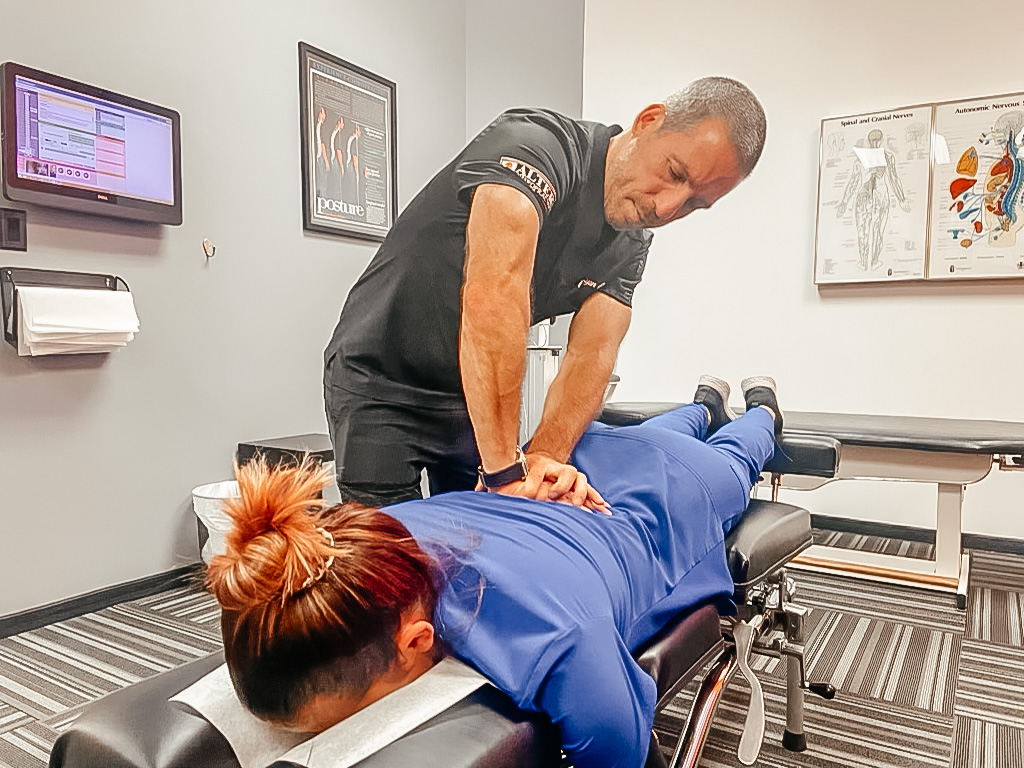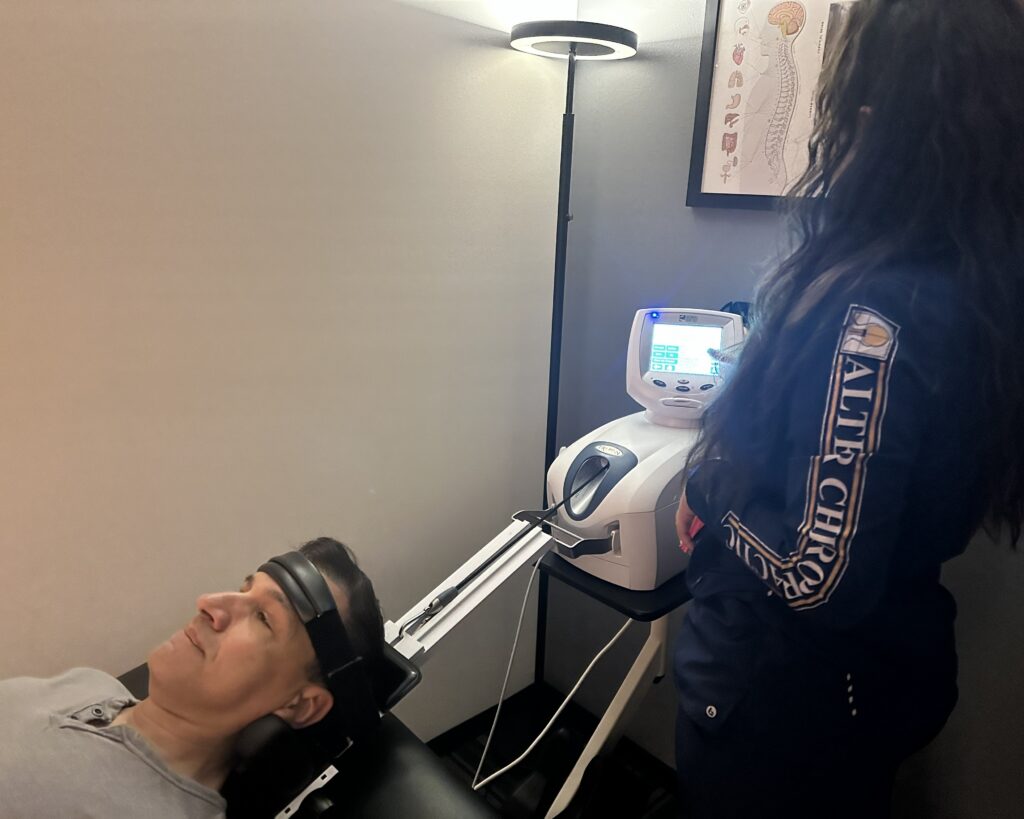

As a local chiropractor, I want to emphasize how crucial posture is in the treatment of back pain. When you maintain proper alignment, it significantly reduces the strain on your spine and muscles, often leading to relief from discomfort. However, I frequently see patients who struggle with common postural issues that can exacerbate their pain. By recognizing these problems and understanding their impact on your body, you can take vital steps toward healing.
Improving your posture is a key component of enhancing your overall back health. Simple adjustments in your daily activities can make a big difference. Let’s work together to identify changes you can implement in your life to promote better posture and support your recovery journey. Remember, good posture is not just about standing tall; it’s about creating a healthy foundation for your spine.
Understanding Posture and Its Importance
As a local chiropractor, I want to emphasize that good posture goes beyond simply projecting confidence; it’s essential for your overall health and well-being. When your body is aligned properly, it minimizes strain on your muscles and joints, which can help prevent injuries and discomfort. Many people don’t realize that habits like slouching or leaning can lead to significant fatigue and pain over time.
By being mindful of your posture throughout the day, you can enhance your breathing and circulation, allowing your body to operate at its fullest potential. It’s crucial to pay attention to how you sit, stand, and move. Simple adjustments, such as keeping your shoulders back and your spine straight, can make a world of difference in how you feel.
In addition to being mindful of your posture, incorporating exercises that strengthen your core and back muscles can further improve your alignment. Remember, the more you practice good posture, the more it will become second nature, positively impacting both your physical and mental health.
As your chiropractor, I’m here to help guide you on this journey toward better posture and overall wellness through natural healing techniques.
The Connection Between Posture and Back Pain
As your local chiropractor, I want to emphasize how crucial your posture is to your overall back health.
Many people may not realize that maintaining good posture can significantly reduce daily pain and discomfort. When you align your body properly, you not only find relief from current back issues but also take proactive steps to prevent future problems.
By focusing on your posture, you can enhance your well-being and support your spine’s natural alignment, which is a key aspect of chiropractic care and natural healing.
Let’s work together to improve your posture and, in turn, your overall health!
Posture’s Role in Pain
As a local chiropractor, I want to emphasize the crucial role that posture plays in your overall back health. Many people tend to underestimate its importance, but maintaining good posture is vital in preventing and alleviating back pain.
When you slouch or hunch over, it creates unnecessary strain on your spine and surrounding muscles. This misalignment can lead to discomfort, stiffness, and even chronic pain if not addressed.
If you find yourself sitting for extended periods, poor posture can intensify these issues, making it more challenging for your body to heal and recover. It’s essential to recognize that your everyday habits—such as how you sit, stand, or lift objects—have a direct impact on your back health.
By being more mindful of your posture throughout the day, you can take proactive steps to reduce tension and discomfort.
I often see patients who initially find it comfortable to ignore their posture, but this can result in long-term problems that are best avoided.
Through chiropractic care, we can work together to improve your posture, enhance your spinal alignment, and promote natural healing.
Correcting Posture Benefits
As a local chiropractor, I want to share with you the significant benefits of correcting your posture for your back health. When you align your spine properly, you can significantly reduce the strain on your muscles and ligaments, which often leads to pain relief.
Good posture isn’t just about standing tall; it also promotes better circulation, allowing essential oxygen and nutrients to reach your back tissues more effectively. This can help speed up your recovery process.
You may also notice improvements in your flexibility and core strength, which are crucial for supporting your spine and preventing future injuries.
Beyond the physical benefits, maintaining proper posture can also boost your confidence and enhance your overall mood. It creates a positive feedback loop that encourages you to adopt healthier habits.
By making small adjustments to your daily posture, you can experience lasting relief from back pain and improve your overall well-being.
I encourage you to prioritize this simple change, as it’s vital to achieving long-term back health. Remember, chiropractic care can provide the guidance and support you need on this journey to better posture and a healthier life.
Common Postural Issues That Contribute to Pain
As a local chiropractor, I often see patients who experience pain stemming from common postural issues that may go unnoticed in their daily routines.
These habits can lead to discomfort and, over time, even chronic pain. Here are four common postural issues you might encounter and how they can affect your health:
1. Slouching: Many of us tend to sit or stand with a rounded back, which places unnecessary strain on the spine and surrounding muscles.
This can lead to significant discomfort over time.
2. Forward Head Posture: If you find yourself leaning your head forward while working on screens, you’re not alone.
This position adds extra stress on your neck and upper back, often resulting in pain.
3. Crossed Legs: Sitting with your legs crossed may feel comfortable, but it can misalign your pelvis and contribute to lower back discomfort.
It’s worth considering how you position your legs while sitting.
4. Uneven Weight Distribution: Many people stand or walk while favoring one leg, creating imbalances in the body.
This can lead to pain in your back and hips, which is something we can work on together.
Being aware of these common postural issues is the first step toward making small adjustments in your daily life.
These changes can help alleviate pain and enhance your overall well-being.
If you have concerns about your posture or are experiencing discomfort, I encourage you to reach out.
Together, we can explore natural healing methods to improve your health.
How Posture Affects Spine Alignment
As a local chiropractor, I want to emphasize how crucial your posture is in maintaining proper spine alignment. Even minor deviations in your posture can have a significant impact on your overall health.
For instance, when you slouch or lean forward, you put unnecessary stress on your spine, which can lead to discomfort and even injury over time. Conversely, good posture helps keep your spine in a neutral position, reducing strain on your muscles and ligaments.
When you stand or sit correctly, your body is able to distribute weight evenly, allowing your vertebrae to maintain their natural curves. This alignment is vital for supporting your nervous system and promoting optimal function throughout your entire body.
Many of my patients find that simply maintaining good posture can alleviate pressure on their backs, helping to prevent pain.
I encourage you to be mindful of your posture during everyday activities. Making simple adjustments—like keeping your shoulders back and ensuring your head is aligned with your spine—can lead to better alignment and significantly improve your overall well-being.
The Role of Ergonomics in Posture Improvement
As a local chiropractor, I want to emphasize the importance of optimizing your workstation setup to enhance your posture.
Making simple adjustments, such as the height of your chair and the position of your monitor, can significantly improve your spinal alignment and overall comfort.
Furthermore, incorporating posture correction tools into your daily routine can help reinforce healthy habits and prevent strain on your body.
Workstation Setup Techniques
As a local chiropractor, I often see the impact that poor workstation ergonomics can have on your back and overall health. Many individuals underestimate the importance of setting up their workspace correctly.
By making a few simple adjustments, you can significantly improve your posture and reduce discomfort. Here are four essential techniques to enhance your workstation ergonomics:
- Chair Height: It’s crucial to ensure your chair is set at a height where your feet can rest flat on the floor, and your knees form a 90-degree angle. This position helps maintain proper spinal alignment.
- Monitor Position: Your monitor should be positioned at eye level and about an arm’s length away. This placement will help prevent unnecessary strain on your neck and shoulders, which is vital for your overall well-being.
- Keyboard and Mouse: Your keyboard and mouse should be at the same height as your elbows. Keeping your arms relaxed in this position minimizes tension in your wrists and shoulders, promoting better comfort while you work.
- Desk Arrangement: Organize your workspace so that frequently used items are easily accessible. This minimizes the need for awkward stretching and twisting, which can lead to discomfort or injury over time.
By implementing these ergonomic tips, you can make a significant difference in how you feel while working.
Posture Correction Tools
As a local chiropractor, I often see patients who are unaware of how crucial the right tools are for maintaining proper posture and overall spinal health.
While adjusting your workspace is a good start, incorporating effective posture correction tools can significantly enhance your alignment and comfort. For example, ergonomic chairs are designed to support your lower back and promote the natural curvature of your spine, which is essential for reducing strain and discomfort.
Moreover, standing desks can be a great option as they encourage movement throughout the day, helping you maintain better posture. If you spend long hours sitting, consider using lumbar rolls or cushions to provide additional support for your lower back.
It’s also important to stay mindful of your posture at all times. Posture reminders, such as smartphone apps or wearable devices, can prompt you to check your alignment regularly, reinforcing good habits.
By integrating these tools into your daily routine, you’re not just alleviating discomfort—you’re also working towards long-term improvements in your posture. This can lead to a healthier spine and significantly reduce your risk of experiencing back pain.
Exercises to Promote Proper Posture
As a local chiropractor, I want to emphasize the importance of maintaining proper posture for your overall health and well-being. Many of my patients come to me seeking relief from back pain, and I often find that improving posture can be a significant factor in reducing discomfort.
By incorporating specific exercises into your daily routine, you can strengthen your core, back, and shoulder muscles, which in turn supports your spine and promotes proper alignment. Here are four effective exercises that I recommend to help you achieve better posture:
- Plank: This exercise is fantastic for strengthening your core and stabilizing your spine. Aim to hold the plank position for 20-30 seconds, and as you grow stronger, gradually increase the duration.
- Wall Angels: Stand with your back against a wall, positioning your arms at a 90-degree angle. Slowly slide your arms up and down while keeping contact with the wall. This movement helps open up your shoulders, which can be particularly beneficial if you spend long hours sitting.
- Chest Stretch: Find a doorway and place your arms on the frame. Gently lean forward to stretch your chest muscles. This stretch counteracts the forward hunch many of us develop from sitting or working at a desk.
- Cat-Cow Stretch: Get on all fours and alternate between arching your back (like a cat) and sinking your belly (like a cow). This dynamic movement increases flexibility and helps relieve tension in your spine.
By regularly incorporating these exercises into your routine, you’ll not only promote better posture but also reduce pain and discomfort over time.
The Impact of Technology on Posture
As a local chiropractor, I often see the effects of technology on our patients’ posture and overall health. With the increasing prevalence of screens in our daily lives, many individuals unknowingly develop poor posture habits that can lead to significant back pain and discomfort.
Whether you’re bent over a laptop, looking down at your smartphone, or lounging on the couch during a binge-watching session, these positions can put a tremendous amount of strain on your spine and muscles.
Initially, you may not feel the consequences of these habits, but over time, poor posture can result in chronic pain and tension that can affect your daily life. The way we interact with our devices often promotes a forward head posture and rounded shoulders—two common culprits behind back issues.
This ongoing strain can lead to muscle fatigue and even nerve compression, which can be quite uncomfortable.
Understanding how technology impacts your posture is crucial for maintaining your back health. By being mindful of your body mechanics while using devices, you can take proactive steps to mitigate these adverse effects.
Simple adjustments, such as maintaining an ergonomic workspace, taking regular breaks, and incorporating stretches into your routine, can make a significant difference.
As your chiropractor, I encourage you to be aware of your posture and consider how your technology habits may be affecting you. Taking these steps not only helps alleviate discomfort but also promotes a healthier spine in the long run.
Your body will definitely thank you for it!
Strategies for Maintaining Good Posture Throughout the Day
As a local chiropractor, I want to help you understand the importance of maintaining good posture throughout your day. Proper alignment not only promotes overall health but also prevents discomfort and long-term issues.
Here are some practical strategies to keep your posture in check:
- Optimize Your Workspace: It’s crucial to ensure that your chair and desk are set at the appropriate heights. Your feet should rest flat on the floor, and your computer screen should be at eye level. This setup will help prevent slouching and reduce strain on your spine.
- Incorporate Regular Breaks: I recommend standing up and stretching every 30 to 60 minutes. Doing so not only alleviates muscle tension but also serves as a gentle reminder to reset your posture, keeping your spine healthy.
- Select Supportive Seating: When choosing chairs, look for options that provide adequate lumbar support. If needed, consider adding cushions to support the natural curve of your spine. This can make a significant difference in how your body feels throughout the day.
- Engage in Mindfulness: It’s essential to stay aware of your posture during everyday activities—whether you’re walking, sitting, or standing. Take a moment to check in with your body regularly to ensure that you’re aligned properly. This mindfulness can help you develop better habits over time.
By incorporating these strategies into your daily routine, you can enhance your posture and overall well-being.
Posture Correction Techniques for Pain Relief
As a local chiropractor, I want to emphasize the importance of incorporating posture correction techniques into your daily routine to alleviate pain.
One of the first steps you can take is to set up an ergonomic workstation that properly supports your spine. This means adjusting your chair, desk, and computer screen to promote better alignment and reduce strain on your body.
In addition to your workspace, I encourage you to include stretching and strengthening exercises in your daily activities.
These exercises not only help to relieve tension but also enhance your overall posture, which can lead to significant improvements in how you feel throughout the day.
Ergonomic Workstation Setup
As a local chiropractor, I often see patients who spend long hours at their desks and are struggling with back pain and poor posture. One of the most effective ways to alleviate these issues is by setting up an ergonomic workstation.
Here are four essential elements to consider for creating a healthier workspace that supports your spine:
- Chair: It’s important to choose a chair that provides lumbar support and promotes a natural curve in your spine. This can help reduce strain on your back and improve your overall posture.
- Desk Height: Make sure to adjust your desk height so that your elbows are at a 90-degree angle while typing. This alignment helps prevent discomfort in your shoulders and neck.
- Monitor Position: Position your monitor at eye level and about an arm’s length away. This setup can help you avoid neck strain and keep your spine aligned while you work.
- Keyboard and Mouse: Keep your keyboard and mouse close enough to maintain a relaxed position in your arms. This minimizes tension in your wrists and forearms, contributing to a more comfortable work experience.
By implementing these ergonomic adjustments, you can create a more supportive environment that not only enhances your comfort but also reduces your risk of developing back pain.
Stretching and Strengthening Exercises
As a local chiropractor, I want to emphasize the importance of creating an ergonomic workstation to help reduce back pain. However, it’s equally vital to incorporate stretching and strengthening exercises into your daily routine to truly enhance your posture and overall spinal health.
Stretching is a powerful tool that can help ease muscle tightness, thereby improving your flexibility and promoting better blood flow. I recommend focusing on stretches that specifically target your lower back, hips, and shoulders to relieve built-up tension.
In addition to stretching, strengthening exercises play a crucial role in building core stability, which provides essential support for your spine. Exercises like planks, bridges, and back extensions are fantastic options that I often recommend to my patients. To experience lasting improvements, aim to perform these exercises several times a week.
Remember, consistency is key in achieving your health goals.
By integrating these practices into your routine, not only can you reduce pain, but you’ll also develop better posture, which promotes long-term spinal health and overall well-being.
If you have any questions or need guidance on these exercises, don’t hesitate to reach out. Your journey to better health starts with understanding and taking proactive steps!
Long-Term Benefits of Improving Posture for Back Health
As a local chiropractor, I want to emphasize the critical role that good posture plays in maintaining long-term back health. By making a conscious effort to improve your posture, you can enjoy a variety of benefits that won’t only enhance your physical comfort but also enrich your overall lifestyle:
- Reduced Pain: When your body is aligned properly, it reduces the strain on your spine, which can significantly alleviate chronic back pain. This can lead to a more pain-free existence and the ability to engage in activities you love.
- Increased Mobility: Maintaining good posture encourages flexibility and a greater range of motion. This means that even simple tasks, like bending down to tie your shoes or reaching for something on a high shelf, become much easier and more manageable.
- Enhanced Strength: By practicing proper posture, you actively engage your core and back muscles. This not only strengthens these critical muscle groups but also provides better support to your spine, reducing the risk of injury during daily activities.
- Boosted Confidence: Believe it or not, standing tall can do wonders for your self-esteem. Good posture not only supports your physical health but also enhances your mental well-being, making you feel more confident and self-assured in various social situations.
As your chiropractor, I encourage you to make small adjustments to your posture throughout your day. These changes can lead to significant improvements in your long-term back health, allowing you to lead a more active and fulfilling life.
If you have any questions or need guidance on how to improve your posture, feel free to reach out!
Conclusion
As a local chiropractor, I want to emphasize how crucial good posture is for your back pain treatment and overall health. Many people are unaware that poor posture can contribute significantly to their discomfort. By addressing these common postural problems and adopting ergonomic practices, you can not only relieve your pain but also support your spine’s long-term health.
It’s important to remember that making small, mindful adjustments to your daily habits can lead to remarkable improvements. I encourage you to pay attention to your posture, practice correction techniques, and embrace healthier habits. Doing so will help keep your back pain under control and ultimately enhance your quality of life. Let’s work together to create a healthier lifestyle that supports your spine and promotes natural healing.