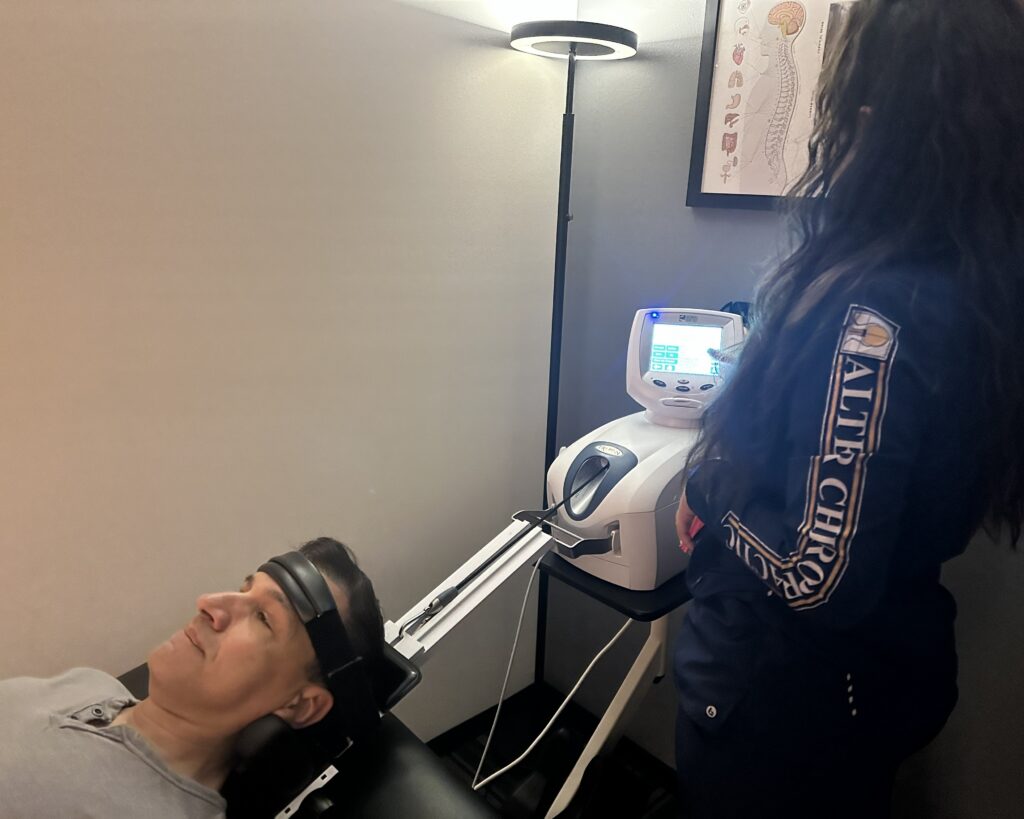

As a local chiropractor, I want to reassure you that if you’re experiencing back pain, you’re certainly not alone. Many individuals face discomfort that can significantly impact their daily activities. The good news is that there are natural solutions available that may help alleviate your pain. Through a combination of chiropractic care, herbal remedies, and gentle stretches, a holistic approach could be just what you need to improve your back health.
So, what specific strategies can you adopt to enhance your well-being? Let’s delve into some effective options that I often recommend to my patients. From targeted adjustments that realign the spine to natural supplements that reduce inflammation, together we can explore the best methods tailored to your individual needs. Your journey to a pain-free life starts here!
Understanding the Causes of Back Pain
As a local chiropractor, I want to help you understand the various causes of back pain that you might be experiencing. It’s important to recognize that poor posture is a significant contributor to discomfort in the back. If you find yourself spending long hours hunched over a computer or slouched on the couch, your spine can suffer as a result.
Additionally, a sedentary lifestyle can weaken the muscles that support your spine, increasing your vulnerability to pain. Injuries, whether they occur from accidents or lifting heavy objects, can also lead to back pain. Even small strains can cause considerable discomfort, and conditions like herniated discs or arthritis can profoundly impact the structure and function of your spine.
Don’t overlook the role of stress either; the tension we carry can lead to tightness in our back muscles, exacerbating the pain. Understanding the root cause of your back pain is crucial for finding effective, natural solutions.
As a chiropractor, I can help you address these issues holistically. By working together, we can develop a plan to manage your discomfort and improve your overall well-being through natural healing methods.
Gentle Stretches for Relief
As a local chiropractor, I want to share with you how gentle stretches can be a transformative practice for alleviating back pain and enhancing your overall flexibility.
Integrating simple stretching techniques into your daily routine can lead to remarkable benefits, including reduced muscle tension and improved mobility.
Let’s dive into some effective stretches that you can easily incorporate into your day-to-day life, helping you on your journey toward natural healing and wellness.
Stretching Techniques Overview
As a local chiropractor, I want to share the importance of incorporating stretching techniques into your daily routine for alleviating back pain and enhancing your overall flexibility. Gentle stretches can be incredibly effective in targeting tight muscles and improving your range of motion, which is vital for your spinal health.
Let’s start with some simple movements. The cat-cow stretch is an excellent way to warm up your spine and increase flexibility. This movement helps to promote spinal mobility and can be easily done at home.
Another great stretch is the child’s pose, which not only relaxes your lower back but also encourages deep, restorative breathing—something that can help reduce stress and tension in your body.
Don’t overlook the seated forward bend, either. This stretch effectively targets your hamstrings and lower back, promoting a sense of release and relaxation. When performing these stretches, I recommend holding each pose for 15 to 30 seconds and focusing on your breath. Allow yourself to relax deeper into each stretch, as this will enhance the benefits.
Consistency is crucial in this journey toward better back health. I encourage you to aim for daily stretching, as doing so will yield the best results over time.
As you incorporate these techniques, you’ll likely notice a significant improvement in your back’s resilience and a reduction in pain. Remember, your body is a remarkable system that responds well to care and attention. Together, we can work towards achieving a pain-free and more flexible you!
Benefits of Gentle Stretches
As a local chiropractor, I want to emphasize the importance of incorporating gentle stretches into your daily routine. Many of my patients have found that these simple movements can provide significant relief from back pain while enhancing their overall well-being.
Gentle stretches can greatly improve your flexibility, allowing your muscles to lengthen and relax. This reduction in tension can be particularly beneficial for your back. By promoting blood circulation, these stretches help deliver essential nutrients to your muscles, which aids in recovery and can prevent stiffness that many experience throughout the day.
Moreover, engaging in gentle stretching can strengthen your core muscles, offering better support for your spine. This support is crucial for maintaining proper alignment and minimizing strain on your back. Improved posture is another key benefit of regular stretching, as it can significantly decrease the risk of back discomfort.
Additionally, don’t underestimate the mental benefits of gentle stretches. They can elevate your mood and reduce stress, making you feel more at ease overall.
Daily Stretching Routine
As your chiropractor, I want to emphasize the importance of incorporating gentle stretches into your daily routine to help alleviate back pain.
Starting each morning with a few simple stretches can make a significant difference in your overall comfort. One effective stretch is the cat-cow pose, which warms up your spine and prepares it for the day ahead. Following this, the child’s pose provides a soothing stretch along your back, promoting relaxation and relief.
I recommend holding each position for 15-30 seconds while focusing on your breath to enhance relaxation. Additionally, incorporating side bends and gentle twists can greatly improve your flexibility and mobility, which are essential for maintaining a healthy spine.
It’s also crucial to pay attention to your hamstrings; tightness in this area can often contribute to back discomfort. Aim to dedicate at least 10-15 minutes each day to these stretches.
Remember, consistency is vital, so making this a regular habit will yield the best results. Over time, you should notice increased comfort and a reduction in pain, allowing you to engage in your daily activities with greater ease.
Embracing this natural approach to healing can greatly enhance your quality of life.
Herbal Remedies to Soothe Discomfort
As a local chiropractor, I often see patients seeking relief from back pain. While traditional treatments can be effective, I want to introduce you to some herbal remedies that can complement your healing process. These natural solutions may help alleviate discomfort and enhance your overall wellness.
Here are four herbal remedies you might consider:
- Turmeric: This vibrant yellow spice is packed with curcumin, which is celebrated for its anti-inflammatory properties. You can easily incorporate turmeric into your meals or opt for it in supplement form to support your healing.
- Ginger: Known for its ability to reduce inflammation and promote better circulation, ginger tea can be a soothing option for those experiencing discomfort. It’s a gentle yet effective way to help your body heal.
- Willow Bark: Often referred to as nature’s aspirin, willow bark has been shown to reduce pain and inflammation. You can find it in tea form or as a supplement, making it an accessible choice for pain management.
- Devil’s Claw: This powerful herb is known for its potential to assist with pain relief. It’s commonly available in capsules or tinctures, making it easy to incorporate into your wellness routine.
Incorporating these herbal remedies alongside chiropractic care can create a holistic approach to managing your back pain and improving your overall health.
If you have any questions or would like to learn more about how these remedies can fit into your treatment plan, feel free to ask during your next visit!
The Benefits of Essential Oils
As a local chiropractor, I often encounter patients who are looking for natural ways to manage their back pain. One approach that I find particularly effective is the use of essential oils. These concentrated plant extracts can provide a natural remedy to alleviate discomfort and encourage relaxation.
For instance, oils like lavender and peppermint possess anti-inflammatory properties that can help reduce tension in your back muscles. To incorporate essential oils into your routine, you can dilute a few drops with a carrier oil and gently massage it into the affected area. Many patients report experiencing immediate relief from this method.
Additionally, inhaling essential oils through a diffuser or during a warm bath can create a calming atmosphere, helping to ease both your mind and body while coping with pain. Certain oils, such as eucalyptus and rosemary, can also promote better circulation, which is essential for recovery.
It’s important to select high-quality essential oils to ensure you receive the best benefits. By integrating essential oils into your self-care routine, you not only support your physical comfort but also enhance your overall mood, contributing to a more holistic and enjoyable experience in managing your back pain.
If you have any questions about how essential oils can complement chiropractic care, feel free to ask during your visit!
Mindfulness and Meditation Techniques
As a local chiropractor, I often see patients who are struggling with back pain and are looking for effective ways to cope without relying solely on medication. One of the most powerful approaches I recommend is practicing mindfulness and meditation. These techniques can significantly enhance your ability to manage pain by fostering a calm mind and reducing stress, which can often make discomfort worse.
Here are some methods you can easily incorporate into your routine:
- Deep Breathing: Start by inhaling deeply through your nose, holding the breath for a moment, and then exhaling slowly. This simple exercise helps center your mind and can be repeated several times to enhance relaxation.
- Body Scan: Find a comfortable position, preferably lying down, and mentally scan your body from your head to your toes. Pay attention to any areas of tension and consciously work to relax those spots. This practice can help you become more aware of your body and how stress manifests in it.
- Guided Imagery: Take a moment to visualize a serene location, such as a tranquil beach or a peaceful forest. Engage your senses by imagining the sounds, smells, and sights of this place. This technique can serve as a mental distraction from pain, allowing you to experience a sense of calm.
- Mindful Movement: Gentle activities like yoga or tai chi can be incredibly beneficial. Focus on your breath and the movements of your body, promoting relaxation and enhancing flexibility. These practices not only help with pain management but also contribute to overall well-being.
By incorporating these mindfulness and meditation techniques into your daily routine, you can effectively manage your back pain and improve your quality of life.
As your chiropractor, I encourage you to explore these natural healing methods alongside your chiropractic care for a more holistic approach to pain relief.
The Power of Hot and Cold Therapy
As a local chiropractor, I want to share with you the incredible benefits of hot and cold therapy when it comes to managing back pain. Incorporating these techniques can be an effective way to alleviate discomfort and support your healing journey.
Heat therapy is particularly useful for relaxing tight muscles and enhancing blood circulation, which can provide relief to those aching areas in your back. I often recommend using a heating pad or a warm towel for about 20 minutes. This warmth penetrates deep into the muscle tissue, helping to ease tension and promote relaxation.
Conversely, cold therapy plays a crucial role in reducing inflammation and numbing sharp pain. Applying an ice pack wrapped in a cloth for 15-20 minutes can bring about instant relief, especially after an activity that may have aggravated your back.
For optimal results, consider alternating between hot and cold treatments. However, it’s essential to listen to your body—if you start to feel worse, please stop and reassess.
Integrating these simple techniques into your routine can be a game-changer in your pain management toolkit. Whether you’re looking to ease muscle tension or calm inflammation, hot and cold therapy serves as a powerful ally on your path to back pain relief.
Natural Supplements for Back Health
As a local chiropractor, I want to emphasize the importance of a holistic approach to back health, which includes not just physical therapies but also the incorporation of natural supplements.
Many of my patients are often surprised to learn how certain supplements can significantly enhance their recovery and overall well-being. Here are four effective options that I encourage you to consider:
- Turmeric: Known for its vibrant yellow color, turmeric is more than just a spice; it contains curcumin, a powerful anti-inflammatory compound. Adding turmeric to your diet may help alleviate pain and swelling, making it a beneficial ally for your back.
- Omega-3 Fatty Acids: These essential fats, commonly found in fish oil, are known for their anti-inflammatory properties. They can improve joint health and reduce inflammation, which can be particularly helpful for maintaining a healthy back.
- Magnesium: This crucial mineral plays a key role in muscle function and relaxation. It can help relieve muscle tension, which in turn may reduce discomfort in your back. Ensuring adequate magnesium intake through diet or supplementation can support your recovery efforts.
- Boswellia: An herbal extract with notable anti-inflammatory properties, Boswellia has been shown to aid in reducing pain associated with various back conditions. It can be a valuable addition to your wellness routine.
Incorporating these natural supplements into your daily regimen could provide the support your back needs for improved health and comfort.
As your chiropractor, I encourage you to explore these options alongside our chiropractic treatments for a more comprehensive approach to your back care.
Yoga Poses for Strength and Flexibility
As a chiropractor, I want to share with you an effective approach to enhancing both strength and flexibility, which are crucial for maintaining a healthy back. Incorporating specific yoga poses into your routine can significantly aid in building core strength and improving your range of motion, thereby supporting your spinal health.
To begin, I recommend starting with the Cat-Cow stretch. This pose is excellent for warming up your spine and preparing it for more intensive movements. Following that, Downward Facing Dog is a fantastic option to strengthen your shoulders and hamstrings, promoting overall body alignment.
The Warrior II pose is particularly beneficial as it not only strengthens your legs but also opens up your hips, which contributes to greater stability in your posture. Another essential pose to include is the Bridge pose; this targets your lower back and glutes, effectively alleviating tension that may contribute to discomfort.
As you become more comfortable, consider adding the Pigeon pose into your practice for deeper hip flexibility. It’s important to focus on your breath throughout these poses, as it helps maintain proper form and relaxes your muscles, enhancing the benefits of each pose.
Regular practice of these yoga poses can lead to lasting improvements in your back health, making everyday activities easier and more enjoyable.
If you’re interested in exploring these methods further or have any questions about how they relate to chiropractic care, feel free to reach out—I’m here to help you on your journey to holistic health!
Dietary Changes to Support Spine Health
As a local chiropractor, I want to emphasize the importance of diet in maintaining a healthy spine. Many people may not realize that the foods we eat can significantly impact our spinal health. By making a few strategic dietary changes, you can help reduce inflammation, strengthen your bones, and support your overall well-being.
Here are four adjustments I recommend:
- Increase Omega-3 Fatty Acids: Including sources of omega-3s, such as fatty fish like salmon, walnuts, and flaxseeds, in your diet can be beneficial. These foods help combat inflammation, which is essential for promoting joint health and overall spine wellness.
- Focus on Calcium and Vitamin D: It’s crucial to consume foods rich in calcium and vitamin D, like dairy products, leafy greens, and fortified options. These nutrients play a vital role in strengthening your bones and preventing conditions like osteoporosis, which can affect your spine.
- Stay Hydrated: Hydration is key! Drinking plenty of water helps keep your spinal discs hydrated and maintains their flexibility. This can lead to better movement and less discomfort in your back.
- Limit Processed Foods: I encourage you to reduce your intake of processed foods, particularly those high in sugar and trans fats. These ingredients can lead to increased inflammation and exacerbate back pain, making it harder for your spine to stay healthy.
By making these dietary changes, you can support your spine and enhance the effectiveness of the chiropractic care you receive.
Creating a Back-Friendly Environment
As a chiropractor dedicated to your well-being, I want to emphasize the importance of creating a back-friendly environment, especially if you’re looking to alleviate discomfort or prevent back pain.
One of the key aspects to focus on is ergonomic furniture and an ideal workspace setup. Choosing the right chair and desk is crucial for maintaining proper posture and comfort throughout your day.
A well-designed chair that supports your lower back and encourages good posture can significantly reduce strain on your spine. Likewise, a desk that allows you to work at a comfortable height can prevent awkward positions that may lead to pain.
Let’s delve into how making these thoughtful choices can contribute to a healthier back and overall well-being. By investing in ergonomic furniture, you’re not just enhancing your workspace; you’re also taking proactive steps towards natural healing and improving your quality of life.
Ergonomic Furniture Choices
As a local chiropractor, I want to share with you the importance of choosing the right ergonomic furniture to help alleviate back pain and improve your overall comfort, whether you’re working from home or in an office setting.
Making thoughtful investments in ergonomic items can truly enhance your well-being and support your spine.
- Ergonomic Chair: It’s crucial to seek out chairs that have adjustable features designed to support your lower back. This won’t only help you maintain good posture but also prevent strain on your spine over time.
- Sit-Stand Desk: Consider incorporating a sit-stand desk into your workspace. This type of desk allows you to switch between sitting and standing throughout the day, which can significantly reduce the pressure on your spine that comes from prolonged sitting.
- Supportive Footrest: Utilizing a footrest can greatly improve your posture by encouraging proper alignment of your legs. This simple addition can reduce the strain on your back and promote a more comfortable sitting experience.
- Lumbar Pillow: Adding a lumbar pillow to your chair is a fantastic way to provide extra support to your lower back. This helps maintain the natural curve of your spine, which is vital for preventing discomfort and pain.
By making these ergonomic choices, you can create a healthier and more comfortable environment that supports your back and contributes to your overall wellness.
Optimal Workspace Setup
As a local chiropractor, I want to emphasize the importance of creating a back-friendly workspace, especially for those who may not be familiar with chiropractic care and natural healing. One of the first steps is to invest in ergonomic furniture. An adjustable chair that supports your lower back is crucial; it helps promote good posture and reduces strain on your spine.
Your desk height is also vital. Ideally, it should allow your elbows to rest comfortably at a 90-degree angle while you type. This position minimizes tension in your shoulders and neck. Additionally, ensure that your computer monitor is at eye level. This adjustment can significantly reduce the risk of neck strain, which is a common issue for many of my patients.
Furthermore, it’s essential to keep frequently used items within easy reach. This practice helps prevent unnecessary twisting or bending, which can lead to discomfort and long-term issues. If your feet don’t comfortably touch the ground, consider using a footrest to support your posture.
Lastly, I can’t stress enough the importance of movement. Incorporating regular breaks into your routine to stretch and walk around can greatly benefit your back health.
Conclusion
As a local chiropractor dedicated to your health, I want to share how incorporating nature’s ticklish solutions can significantly improve your back health. By integrating gentle stretches, herbal remedies, and mindful practices into your daily routine, you can effectively address discomfort and promote healing.
It’s essential to consider dietary changes that support your spine and create a nurturing environment for your back. This holistic approach not only helps alleviate pain but also enhances your overall well-being. I encourage you to take an active role in your health journey—your back will truly appreciate it! Let’s work together to explore these natural healing methods and find what works best for you.