
You might wonder if lasting relief from back pain is truly possible. Many people experience temporary fixes, but those often lead to frustration when discomfort returns. It's important to explore not just quick solutions but also sustainable strategies that address the root causes. By considering lifestyle changes, various therapies, and professional guidance, you can pave the way toward a more resilient back. But what specific steps can you take to guarantee that relief isn't just a fleeting moment? Let's uncover the options that could change your approach to managing back pain for good.
Understanding Back Pain Causes
Back pain can stem from a variety of causes, and understanding these can be essential for effective relief. You might experience back pain due to muscle strains, herniated discs, or even underlying medical conditions like arthritis. Identifying the specific reason behind your discomfort can help you find the right approach to treatment.
Muscle strains often occur when you lift something heavy improperly or engage in sudden, awkward movements. You may notice pain in the lower back that improves with rest but can flare up with activity.
On the other hand, herniated discs happen when the cushioning between your vertebrae becomes damaged, pressing on nearby nerves. If you have a herniated disc, you might feel sharp, radiating pain down your legs, alongside numbness or weakness.
Other causes of back pain can include poor posture, which leads to excessive strain on your back muscles and spine. If you spend long hours sitting in front of a computer, you may find that your posture affects your back health more than you realize.
Additionally, conditions like osteoarthritis or scoliosis can contribute to chronic pain, as they alter the normal structure of your spine.
Stress and emotional factors also play a role in back pain. You might find that tension and anxiety manifest physically, leading to tight muscles and discomfort.
Common Short-Term Relief Methods
When you're dealing with back pain, finding quick relief is essential.
Over-the-counter medications can help reduce inflammation and ease discomfort, while hot and cold therapy offers immediate soothing benefits.
Let's explore how these methods can provide the relief you need.
Over-the-Counter Medications
For those seeking quick relief from back pain, over-the-counter medications can be an effective solution. Nonsteroidal anti-inflammatory drugs (NSAIDs) like ibuprofen and naproxen are popular choices. They work by reducing inflammation and alleviating pain, making them ideal for managing acute discomfort.
You'll often find these medications in pharmacies without a prescription, and they can provide relief within a few hours.
Acetaminophen is another option, offering pain relief without the anti-inflammatory effects of NSAIDs. It's generally gentler on the stomach, but make sure to follow the dosage guidelines to avoid potential liver damage.
When using these medications, it's important to take into account your overall health. If you have pre-existing conditions or take other medications, consult your doctor to avoid harmful interactions.
Always read labels for potential side effects, such as stomach upset or drowsiness.
While over-the-counter medications can help you manage your back pain in the short term, they're not a permanent fix. If your pain persists, it's vital to explore additional treatment options or consult a healthcare professional for a tailored approach.
Hot and Cold Therapy
In addition to over-the-counter medications, hot and cold therapy offers effective short-term relief for back pain. You can use these methods to manage pain and inflammation, enhancing your overall comfort.
When applying heat, you can relax muscles and improve blood flow to the affected area. A heating pad, warm towel, or hot water bottle works well. Just make sure the heat isn't too intense; aim for a comfortable warmth that soothes rather than burns. Use heat for about 15–20 minutes at a time, several times a day.
On the other hand, cold therapy can reduce swelling and numb sharp pain. Ice packs or a bag of frozen peas wrapped in a towel can do the trick. Apply cold for 10–15 minutes, allowing your skin to return to normal temperature between sessions.
Both hot and cold therapy methods can be easily incorporated into your routine. Experiment with each to find what works best for you, and don't hesitate to alternate between them for maximum relief.
Long-Term Solutions to Consider
What long-term strategies can you adopt to effectively manage back pain? First, consider incorporating regular exercise into your routine. Strengthening your core muscles helps support your spine, reducing the strain on your back. Activities like swimming, cycling, or yoga can enhance flexibility and improve posture, which are imperative for long-term relief.
Another critical strategy is exploring physical therapy. A trained therapist can develop a personalized program tailored to your specific needs, addressing any underlying issues contributing to your pain. This structured approach can help you regain strength and increase mobility over time.
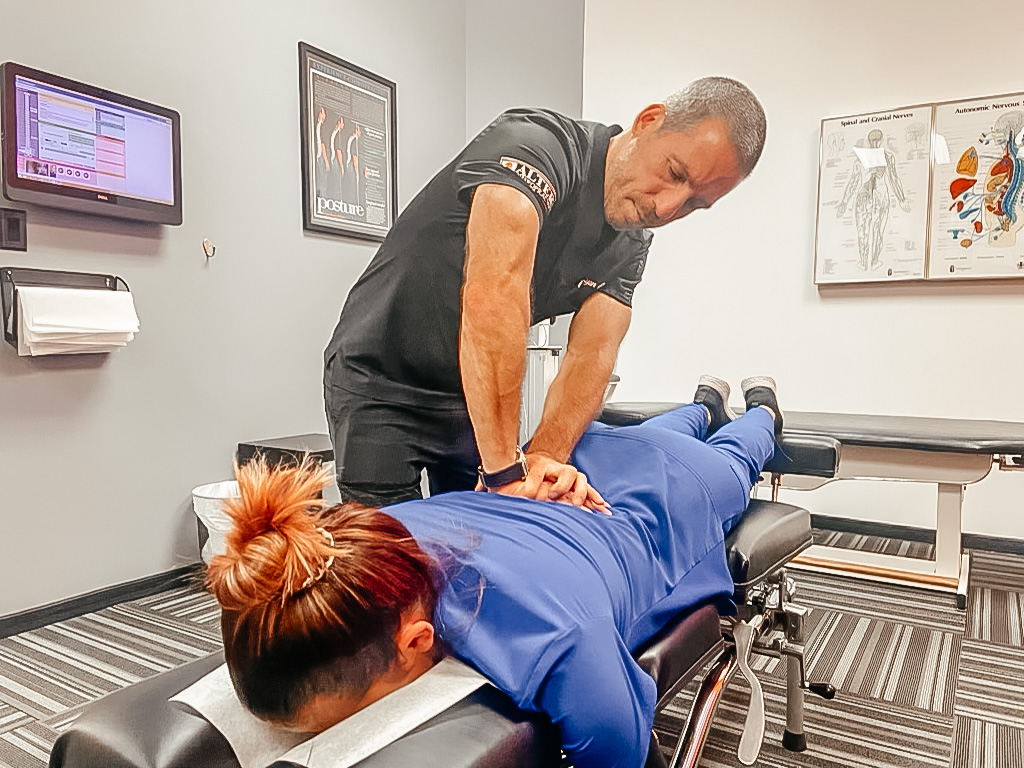
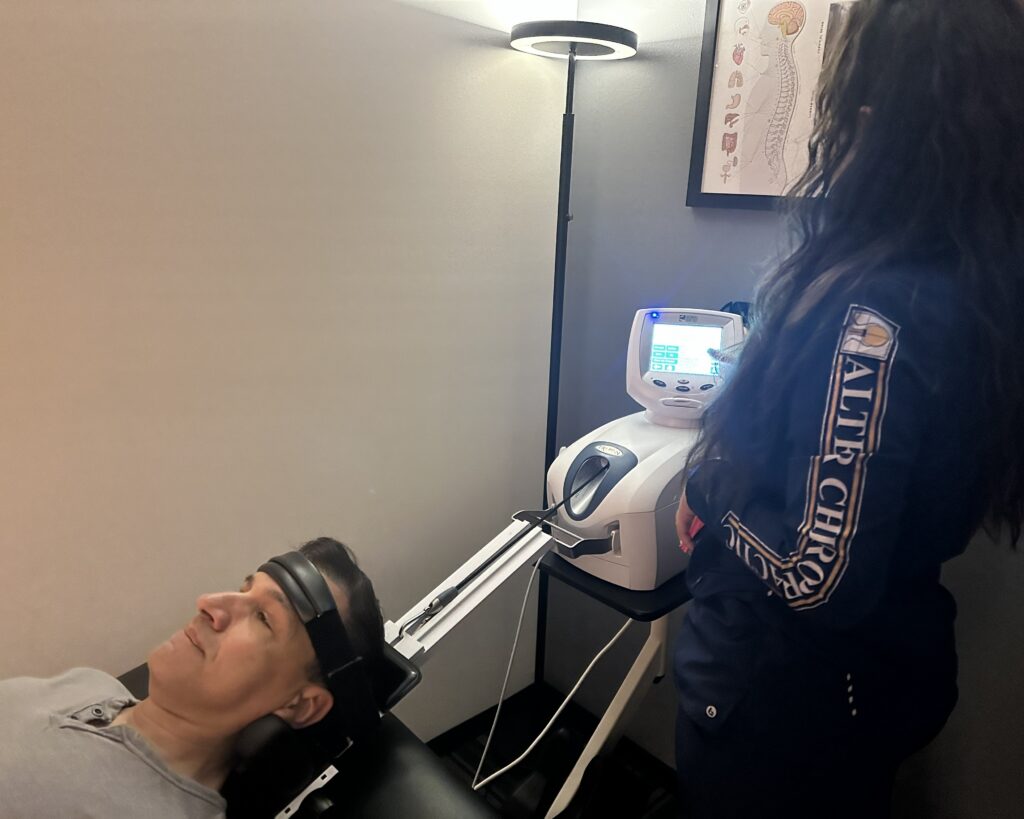
Chiropractic care is also worth considering. Regular adjustments can realign your spine, alleviating pressure and discomfort. Many people find that ongoing chiropractic sessions lead to significant improvements in their back pain over time.
You might also want to explore alternative therapies such as acupuncture or massage. Both can promote relaxation, reduce muscle tension, and improve blood circulation, contributing to long-term pain relief.
Finally, investing in ergonomic furniture and supportive mattresses can make a significant difference in your daily life. Properly designed workstations and sleeping arrangements can help maintain good posture and support your spine while you sleep.
Implementing these long-term solutions can help you manage your back pain more effectively. Remember, it's important to consult with healthcare professionals before starting any new treatment. They can provide guidance tailored to your specific situation, ensuring you're on the right path toward lasting relief.
Role of Lifestyle Changes
Lifestyle changes play an essential role in managing back pain effectively. When you tweak your daily habits, you can greatly reduce discomfort and improve your quality of life.
Start by evaluating your posture. Whether you're sitting at a desk or lifting heavy objects, maintaining proper alignment is vital. Investing in ergonomic furniture can help keep your spine in a neutral position, easing strain on your back.
Incorporating regular exercise into your routine is another important change. Activities like swimming, yoga, or walking strengthen your core and back muscles, providing better support for your spine. Aim for at least 30 minutes of moderate exercise most days of the week.
Don't forget about stretching; flexibility exercises can help alleviate tension and improve range of motion.
Your diet also plays a considerable role in how your body handles pain. A balanced diet rich in anti-inflammatory foods—like fruits, vegetables, and whole grains—can help reduce inflammation and promote healing.
Staying hydrated is equally important; dehydration can lead to muscle cramps and exacerbate your discomfort.
Lastly, prioritize sleep hygiene. Make sure you're getting enough restful sleep in a supportive mattress and pillow. Poor sleep can heighten pain sensitivity, making it harder to cope with back issues.
Alternative Therapies for Relief
When traditional methods fall short, alternative therapies like acupuncture and chiropractic adjustments can offer significant relief from back pain.
You might find that these approaches not only help alleviate discomfort but also improve your overall mobility.
Let's explore how these therapies can fit into your pain management plan.
Acupuncture for Pain Relief
Many people find acupuncture to be an effective alternative therapy for relieving back pain. This ancient practice involves inserting thin needles into specific points on your body, promoting healing and alleviating discomfort.
If you're curious about how acupuncture can help, consider these three key benefits:
- Pain Reduction: Studies show acupuncture can greatly reduce pain levels, making it a viable option for those struggling with chronic back pain.
- Improved Mobility: Regular sessions may enhance your range of motion, helping you regain the flexibility needed for daily activities.
- Stress Relief: Acupuncture not only targets physical pain but also helps to alleviate stress and tension, which can contribute to back pain.
You might be surprised at how quickly you feel the effects. Many patients report feeling relaxed and more comfortable after just one session.
While results can vary, committing to a series of treatments often leads to lasting changes. If you're looking for a natural way to manage your back pain, acupuncture could be worth exploring.
Always consult with your healthcare provider before starting any new treatment.
Chiropractic Adjustments Benefits
Chiropractic adjustments offer a hands-on approach to alleviating back pain and improving your overall spinal health. When you visit a chiropractor, they'll assess your condition and use specific techniques to realign your spine. This realignment can relieve pressure on nerves and reduce inflammation, which often leads to significant pain relief.
One of the main benefits of chiropractic care is its focus on the root cause of your discomfort rather than just masking the symptoms. You'll likely experience improved mobility, allowing you to return to your daily activities with greater ease. Many patients report feeling more energized and less stressed after adjustments, enhancing their overall quality of life.
Chiropractic adjustments can also help you avoid reliance on pain medications, which can have side effects and lead to dependency. By addressing the underlying issues, you'll be taking a proactive approach to your health.
Regular visits can also prevent future injuries and recurring pain, making it a valuable long-term strategy for maintaining your spinal health. So, if you're searching for a natural way to manage back pain, chiropractic adjustments might be the solution you've been looking for.
When to Seek Professional Help
Recognizing the right moment to seek professional help for back pain can greatly impact your recovery. You might be wondering when it's time to turn to a healthcare provider. Here are three key signs that indicate you should seek help:
- Persistent Pain: If your back pain lasts longer than a few weeks or doesn't improve with home treatments, it's time to consult a professional. Chronic pain can often indicate an underlying issue that needs addressing.
- Severe Pain: When your pain becomes unbearable or affects your daily life, don't hesitate to seek help. Severe pain can hinder your ability to work, exercise, and enjoy life, making it essential to get an expert opinion.
- Accompanying Symptoms: If you experience other symptoms alongside your back pain, such as numbness, tingling, weakness in your legs, or bladder/bowel issues, you should immediately consult a healthcare professional.
These could be signs of a more serious condition that requires prompt attention.
Conclusion
To sum up, finding lasting relief for your back pain is possible with the right approach. By understanding the causes, exploring both short-term and long-term solutions, and making essential lifestyle changes, you can greatly improve your comfort and well-being. Don't hesitate to incorporate alternative therapies and seek professional guidance when needed. Remember, taking proactive steps today can lead to a healthier, pain-free tomorrow. You deserve to live without the burden of back pain!