
As a local chiropractor, I often encounter patients who are unsure about how to effectively manage neck injuries. If you're experiencing neck pain, you may be wondering what methods can genuinely provide relief. While at-home remedies like cold compresses and heat therapy are common, I want to introduce you to the benefits of chiropractic care and other professional treatments that can significantly support your recovery.
Understanding the right combination of these approaches is crucial for achieving both immediate comfort and long-term health. It's important to recognize that each individual's situation is unique, and finding the best strategy tailored to your specific needs can open up new avenues for healing that you may not have considered before.
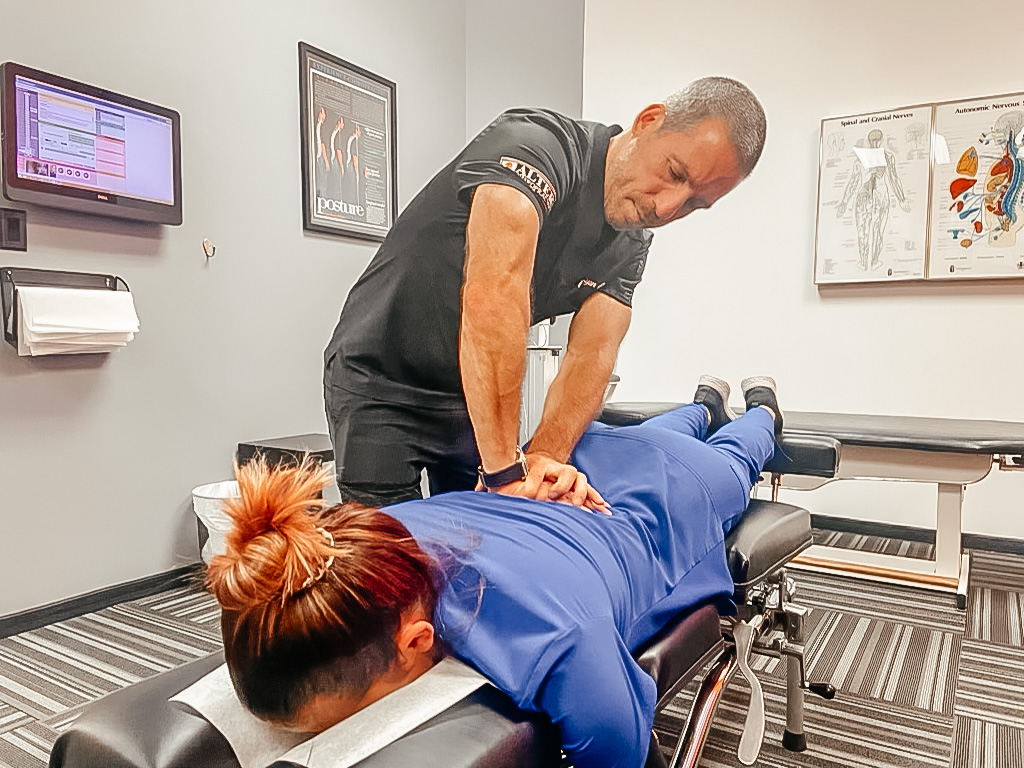
Chiropractic care focuses on the alignment of your spine and neck, helping to alleviate pain and improve mobility without the use of medication. By utilizing techniques such as spinal adjustments and targeted therapies, I aim to address the root causes of your discomfort, promoting natural healing and restoring function.
If you're ready to explore effective solutions for your neck injury, I invite you to discuss your concerns with me. Together, we can create a personalized plan to help you feel better and regain your quality of life.
Understanding Neck Injuries
As a local chiropractor, my goal is to help you understand neck injuries and how they can impact your overall well-being. Neck injuries can stem from a variety of sources, such as accidents, poor posture, or repetitive strain, and it's crucial to recognize their nature for effective recovery. When your neck experiences damage, it can involve the muscles, ligaments, tendons, and vertebrae, leading to discomfort, stiffness, and restricted mobility.
Common neck injuries we often see include sprains, strains, and whiplash. A sprain happens when the ligaments in your neck stretch or tear, typically due to sudden movements or impacts. Strains, on the other hand, affect the muscles or tendons, often resulting from overexertion or improper lifting techniques. Whiplash, frequently linked to car accidents, occurs when the head is suddenly jolted, causing damage to the soft tissues in the neck.
In my practice, I also encounter conditions like herniated discs or cervical radiculopathy. These issues arise when nerve roots become compressed, which can result in pain radiating into the shoulders or arms. Recognizing the symptoms early is important; addressing them promptly can prevent further complications.
It's essential to be in tune with your body. If you experience persistent pain, tingling, or weakness, these could be signs of a more serious issue that warrants professional evaluation. Ignoring these signals can lead to long-term problems.
By understanding the various types of neck injuries, you can empower yourself to seek appropriate treatment and take preventive measures. Incorporating chiropractic care into your recovery can promote natural healing and support your neck health.
At-Home Remedies
As a local chiropractor, I want to share some effective at-home remedies for managing neck pain that can significantly enhance your comfort and healing process.
One of the first steps you can take is to apply a cold compress to the affected area. Ice is excellent for reducing inflammation and numbing pain. Simply wrap some ice in a cloth and apply it for about 15-20 minutes several times a day.
After a couple of days, you might find it helpful to switch to heat therapy. A warm towel or a heating pad can help relax tight muscles and enhance blood circulation in the area.
Incorporating gentle stretching exercises into your routine is also highly beneficial. Take your time to slowly tilt your head from side to side and forward and backward, holding each stretch for approximately 15-30 seconds.
These movements can relieve tension and improve your range of motion. However, always be mindful of your body's signals—don't push it too hard!
Over-the-counter pain relief medications, such as ibuprofen or acetaminophen, can provide temporary relief from discomfort. Remember to adhere to the recommended dosage guidelines and consult with your healthcare provider if you have any questions or concerns about their use.
Another aspect to consider is your sleeping posture. It's vital to use a supportive pillow that keeps your neck properly aligned with your spine.
I recommend avoiding sleeping on your stomach, as this position can put unnecessary strain on your neck.
Additionally, staying hydrated and maintaining good posture throughout your daily activities is crucial. Simple adjustments, like choosing a chair that offers proper back support, can make a significant difference in preventing further strain.
By integrating these at-home remedies into your routine, you can effectively manage neck pain and support your healing journey.
Physical Therapy Options
Chiropractic care offers a variety of effective options for addressing neck injuries and alleviating pain naturally. When you visit a chiropractor, you can expect a thorough assessment of your condition. This evaluation allows us to develop a personalized treatment plan specifically tailored to your unique needs.
One key aspect of chiropractic care is the use of targeted exercises designed to improve your strength, flexibility, and range of motion. Stretching exercises that focus on the neck muscles are commonly incorporated to promote relaxation and reduce tightness. These stretches can aid in regaining mobility and preventing further injuries.
In addition to exercises, strengthening techniques play a crucial role in stabilizing the neck and shoulders, which supports better posture and overall health. As your chiropractor, I'll guide you through these movements to ensure they're performed safely and effectively.
We also utilize manual therapy techniques, such as spinal adjustments and soft tissue mobilization. These hands-on methods can significantly relieve pain and enhance circulation in the affected areas.
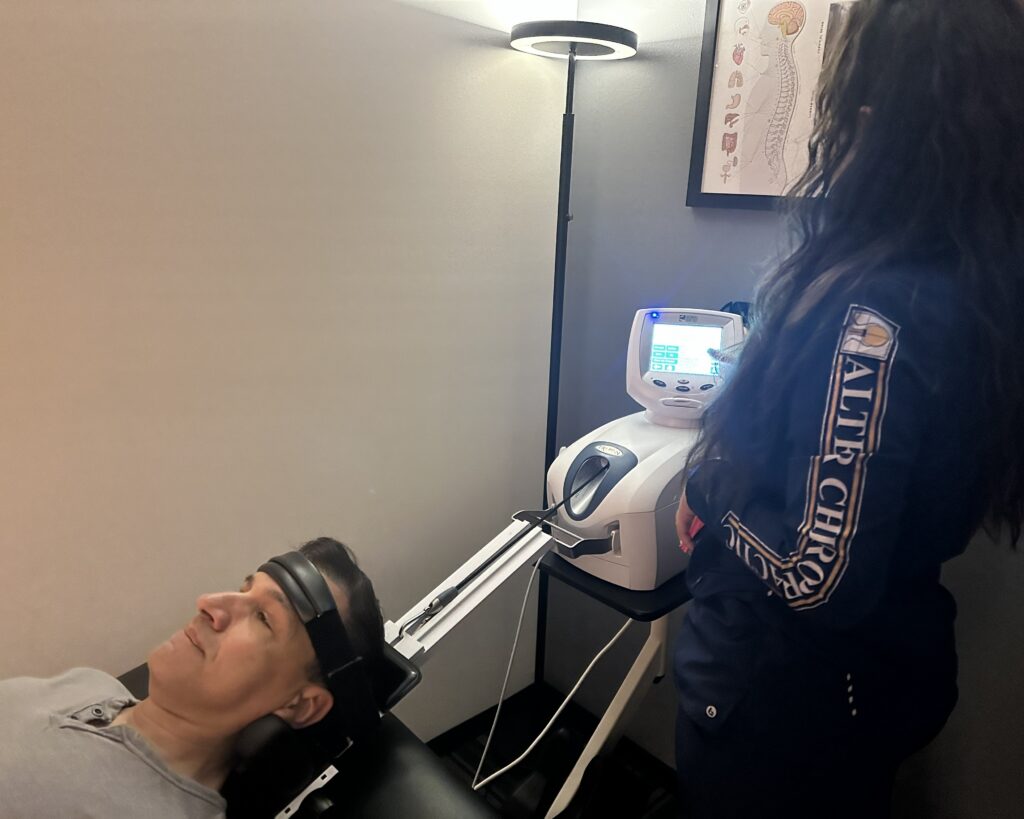
To further support your recovery, we may incorporate modalities like heat, cold, or electrical stimulation, which can complement the benefits of chiropractic adjustments.
It's essential to maintain open communication about your pain levels and any discomfort you may experience during your visits. This feedback allows us to make necessary adjustments to your treatment plan, ensuring that your recovery is both effective and comfortable.
Professional Treatments
As a local chiropractor, I want to share some valuable insights for those of you experiencing neck injuries. Many people turn to home remedies for relief, but sometimes those approaches aren't enough. That's where professional treatments, particularly chiropractic care, come into play.
Chiropractic care is centered around spinal alignment, and it can be incredibly effective in alleviating neck pain. By adjusting your neck and spine, we can help restore mobility and reduce inflammation, leading to significant pain relief. It's a natural approach that focuses on correcting misalignments that may be contributing to your discomfort.
You might also want to consider acupuncture, another professional treatment that has been practiced for centuries. This ancient technique involves placing fine needles at specific points on the body to relieve pain and enhance healing. Many of my patients have found that acupuncture not only alleviates neck pain but also contributes to their overall well-being.
Massage therapy is another excellent option that we often incorporate into our treatment plans. A skilled massage therapist can work on the tight muscles and knots in your neck and shoulders, promoting relaxation and improving blood flow. This can lead to reduced pain and an enhanced range of motion, making daily activities much more manageable.
In some cases, more advanced treatments may be needed. If your neck pain persists, I may recommend corticosteroid injections to reduce inflammation or trigger point injections to relieve muscle spasms. These treatments can provide quick relief and are often used alongside physical therapy for the best outcomes.
If your neck injury is particularly severe or doesn't improve, I may suggest imaging studies, such as MRIs or X-rays. These tests help us understand the underlying issues better, allowing us to create a personalized treatment plan. In rare cases, surgery may be necessary if conservative treatments aren't effective.
Preventative Measures
As a local chiropractor dedicated to your health and well-being, I want to share some important preventative measures that can significantly lower your risk of neck injuries. One of the first things to focus on is your posture. Throughout your day—whether you're sitting at your desk, driving, or scrolling through your phone—it's crucial to maintain a neutral spine position. This simple adjustment can help prevent unnecessary strain on your neck.
Creating an ergonomically friendly workspace is another key aspect. Ensure that your computer screen is at eye level and that your chair offers adequate support for your back. This setup will promote better posture and reduce the chances of discomfort.
Incorporating regular exercise into your routine is vital for neck health. Strengthening the muscles in your neck and upper back can improve stability and flexibility, making injuries less likely. Consider activities like yoga or Pilates; these practices not only enhance your posture but also increase your body awareness, which is essential for maintaining good alignment.
Remember to take breaks during repetitive tasks. Every 30 to 60 minutes, stand up, stretch, and move around a bit. This habit helps alleviate tension and promotes blood circulation, which can relieve stress on your neck.
Your sleep position matters too! Using a supportive pillow that keeps your neck aligned with your spine can make a world of difference. Try to avoid sleeping on your stomach, as this can put undue strain on your neck.
Lastly, exercise caution during physical activities. Always take the time to warm up before engaging in exercise, and use proper lifting techniques when handling heavy objects. If you experience any discomfort, it's crucial to listen to your body and address it right away rather than pushing through the pain.
Conclusion
As a local chiropractor, I want to share some insights on how you can find relief from neck injuries through a combination of at-home remedies and professional care. It's important to start with simple strategies like cold and heat therapy, gentle stretches, and over-the-counter pain relievers to alleviate discomfort. However, I encourage you to consider seeking help from a chiropractor or physical therapist for more targeted treatment that addresses the root cause of your pain.
In our practice, we focus on restoring proper alignment and function to your neck, which can significantly enhance your recovery. Additionally, maintaining good posture throughout your daily activities and using supportive pillows while you sleep can play a crucial role in preventing future injuries.
By taking these proactive steps and considering chiropractic care as part of your healing journey, you can promote your neck's health and improve your overall well-being. Remember, your body has an incredible ability to heal itself, and with the right support, you can experience lasting relief and improved quality of life.