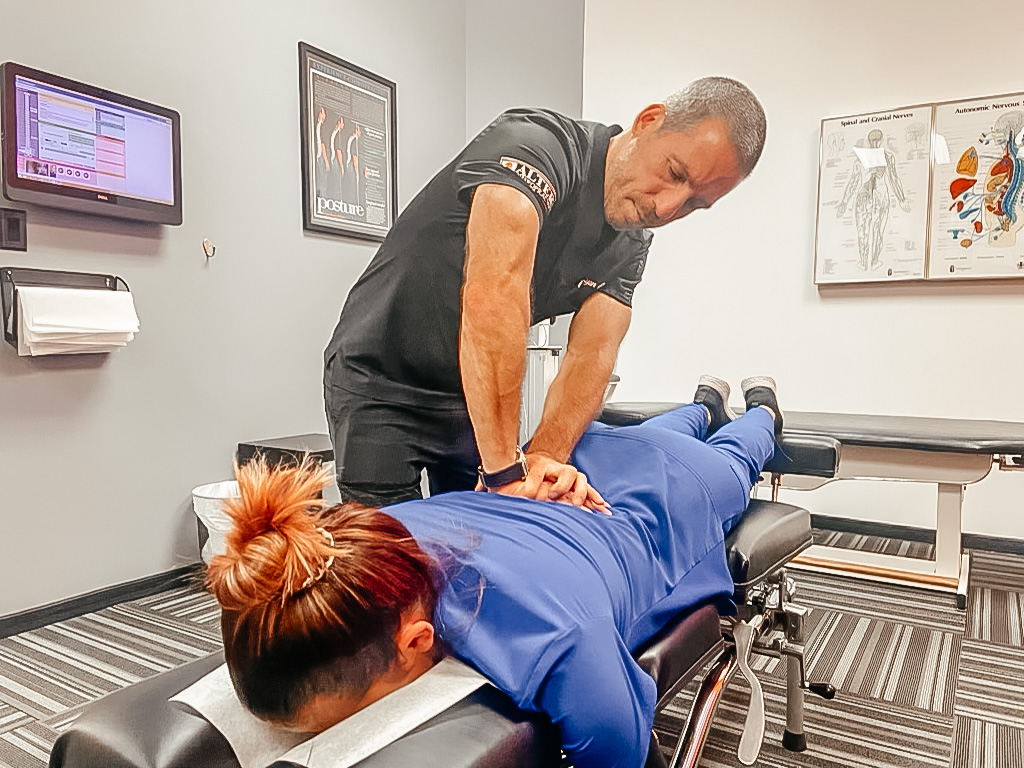
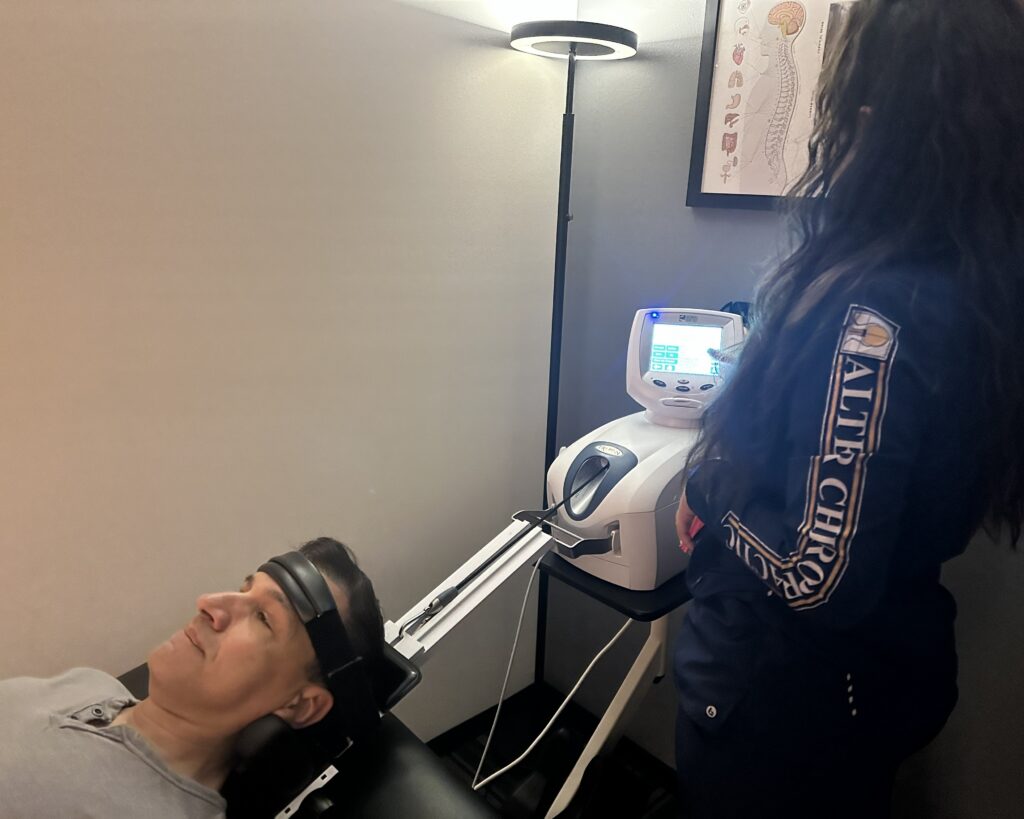
As a local chiropractor, I’ve seen firsthand how back pain can disrupt your everyday life. If you’ve ever suffered from it, you understand its profound impact. One of the most effective ways to combat this issue is by incorporating specific exercises into your daily routine. These exercises go beyond just building strength; they also emphasize flexibility and proper posture, which are crucial for maintaining a healthy spine.
By dedicating time to a set of well-chosen exercises, you can significantly reduce discomfort and enhance your overall health. Are you curious about which movements can best support your back health? Let’s dive into the top 10 exercises that can help you prevent back pain and promote better wellness through natural healing.
Cat-Cow Stretch
As a local chiropractor dedicated to your health and well-being, I want to introduce you to a simple yet powerful exercise called the Cat-Cow Stretch. This technique can be incredibly beneficial for alleviating back pain and enhancing your overall flexibility.
To perform the Cat-Cow Stretch, start by positioning yourself on all fours. Make sure your hands are placed directly under your shoulders and your knees are aligned under your hips.
As you take a deep breath in, arch your back. Allow your belly to gently drop toward the floor while lifting your head and tailbone upward—this is what we refer to as the Cow position. Take a moment to hold this position and notice the pleasant stretch along your spine.
On your next breath out, transition into the Cat position by rounding your back. Tuck your chin toward your chest and draw your belly button in towards your spine. This movement encourages flexibility and helps relieve tension in your back.
I recommend repeating this flow for 5-10 cycles, making sure to synchronize your breath with each movement. Pay attention to the sensations in your back as you go through this stretch.
Not only does the Cat-Cow Stretch warm up your spine, but it also promotes better posture and mobility, making it an essential part of your routine for preventing back pain. Consider incorporating this exercise into your daily practice for optimal spinal health!
Bird-Dog Exercise
As a chiropractor dedicated to promoting natural healing and overall wellness, I want to introduce you to the Bird-Dog Exercise. This simple yet effective movement is an excellent way to strengthen your core and enhance stability, which is crucial for maintaining a healthy spine and preventing back pain.
Here’s how to perform the Bird-Dog Exercise:
- Begin on all fours, ensuring your hands are positioned directly under your shoulders and your knees are directly under your hips.
- Maintain a flat back and engage your core muscles to provide support.
- Simultaneously extend your right arm forward and your left leg back, creating a straight line from your fingertips to your toes.
- Hold this position briefly, then return to the starting position and switch sides.
To get the most out of your Bird-Dog practice, keep these tips in mind:
- Focus on maintaining a neutral spine throughout the movement to protect your back.
- Remember to breathe steadily; this helps with muscle engagement and relaxation.
- Keep your hips level to avoid twisting, which can lead to discomfort or injury.
- Aim for three sets of 10 repetitions on each side to build strength effectively.
Incorporating the Bird-Dog Exercise into your routine can significantly aid in preventing back pain, enhancing your overall strength, and improving coordination.
As always, if you have any concerns about your back or how to perform this exercise correctly, I encourage you to reach out for personalized guidance. Your health is our priority!
Plank Variations
As a local chiropractor dedicated to promoting natural healing and overall wellness, I want to share some valuable exercises that can significantly strengthen your core and support your spine.
One effective exercise to incorporate into your routine is the plank. Begin by lying face down, resting on your forearms and toes, ensuring your body forms a straight line from head to heels. Engage your core muscles and aim to hold this position for 30 seconds, gradually increasing the duration as your strength improves. This foundational exercise is essential for supporting spinal health.
Once you feel comfortable with the basic plank, I encourage you to explore side planks. To perform a side plank, lie on your side, prop yourself up on one forearm, and lift your hips off the ground. This variation specifically targets your oblique muscles, which are crucial for maintaining core stability and preventing imbalances that can lead to discomfort.
For those seeking an extra challenge, try plank shoulder taps. Start in the basic plank position and alternate tapping your shoulders with your opposite hands while striving to maintain balance. This dynamic movement not only engages your core but also enhances stability, which is vital for everyday activities.
Incorporating these plank variations into your exercise routine can significantly reduce your risk of back pain and improve your overall strength.
Glute Bridges
As a chiropractor, I want to share with you the benefits of glute bridges, which are an excellent exercise for enhancing the strength of your hips and lower back.
By incorporating glute bridges into your routine, you can help prevent discomfort and support your overall spinal health. It’s crucial to focus on maintaining proper form to maximize the effectiveness of this exercise.
The great news is that there are various variations of glute bridges that cater to all fitness levels, allowing you to find the perfect option that suits your abilities.
Benefits of Glute Bridges
As a local chiropractor, I often find that many patients overlook the importance of glute bridges in maintaining overall back health and enhancing strength.
This simple exercise can be a valuable addition to your wellness routine, as it effectively strengthens the gluteal muscles, which are crucial for stabilizing the spine. By doing so, glute bridges can help alleviate existing back pain and reduce the risk of future injuries.
Let me share some key benefits of incorporating glute bridges into your routine:
- Improved Posture: By strengthening your glutes, you support the proper alignment of your spine, which is essential for good posture.
- Enhanced Core Stability: Engaging your core during glute bridges not only builds strength in your abdominal muscles but also in your lower back, contributing to overall stability.
- Increased Flexibility: This exercise stretches the hip flexors, promoting greater mobility and flexibility, which can be beneficial for your daily activities.
- Better Athletic Performance: Stronger glutes can translate to improved power and endurance, enhancing your performance in various sports and physical activities.
I encourage you to make glute bridges a regular part of your fitness routine. They’re a simple yet effective way to support your body’s natural healing process and overall well-being!
Proper Form Techniques
As a chiropractor, I often emphasize the importance of proper form during exercises to prevent injuries and promote overall spinal health. One effective exercise I recommend is the glute bridge, which not only strengthens your glutes but also supports your lower back when done correctly.
To begin, lie on your back with your knees bent and your feet flat on the floor, positioned hip-width apart. Keep your arms relaxed at your sides with your palms facing down. It’s crucial to engage your core muscles before you start the movement.
As you press through your heels, lift your hips toward the ceiling, ensuring that your body forms a straight line from your shoulders to your knees at the peak of the exercise.
Pause briefly at the top and focus on squeezing your glutes to maximize the benefit. Then, gently lower your hips back to the starting position. It’s important to avoid arching your lower back; instead, maintain a neutral spine throughout the movement.
Remember to breathe steadily and keep control during each repetition. By practicing these techniques, you’ll not only improve your strength but also enhance your overall well-being.
Variations for All Levels
As a local chiropractor dedicated to promoting natural healing and overall wellness, I want to share with you some effective variations of the glute bridge exercise that can accommodate all fitness levels.
This exercise isn’t just a great way to strengthen your glutes; it also plays a significant role in supporting your lower back and improving your posture. Here are some variations you can incorporate into your routine:
- Standard Glute Bridge: Begin by lying on your back with your knees bent. Lift your hips towards the ceiling while squeezing your glutes at the top. This foundational movement is excellent for beginners and helps activate the muscles in your posterior chain.
- Single-Leg Glute Bridge: For a more advanced challenge, try extending one leg while lifting your hips. This variation engages your core for added stability and helps improve balance, which is crucial for overall body alignment.
- Elevated Glute Bridge: By placing your feet on an elevated surface, you can enhance the range of motion and increase the intensity of the exercise. This modification can also help in targeting your glutes more effectively, which is important for maintaining a healthy spine.
- Weighted Glute Bridge: If you’re looking to add some resistance, consider placing a weight plate or dumbbell across your hips. This additional weight can help strengthen not only your glutes but also your lower back, contributing to better spinal health.
Incorporating these variations into your workouts can keep things interesting while effectively supporting your body’s natural alignment and strength.
Child’s Pose
As a chiropractor, I want to introduce you to Child’s Pose, a gentle and effective stretch that can significantly alleviate tension in your back while promoting overall relaxation. This pose is particularly beneficial for those who may not be familiar with the principles of chiropractic care and natural healing.
To practice Child’s Pose, begin by kneeling on the floor with your big toes touching and your knees apart. Sit back on your heels and gently fold forward, allowing your forehead to rest on the ground. You can extend your arms out in front of you or let them rest comfortably alongside your body.
As you settle into this position, focus on your breathing. Take deep, calming breaths, which can help you release any tightness in your lower back. Aim to hold this pose for at least 30 seconds, allowing yourself to feel the stretch throughout your spine and hips.
If you find it uncomfortable, don’t hesitate to use a cushion or a folded blanket under your forehead for extra support.
Child’s Pose not only helps alleviate back pain but also serves as a wonderful way to calm your mind and reconnect with your breath. I encourage you to incorporate this pose into your daily routine, especially during moments when you need to unwind and relieve tension.
Embracing such natural healing practices can complement your chiropractic care and enhance your overall well-being.
Wall Angels
As a local Chiropractor, I want to introduce you to an excellent exercise known as Wall Angels, which can significantly improve your posture and help alleviate back pain.
It’s important to perform this exercise correctly to maximize its benefits, so let’s go over how to do Wall Angels effectively and what you should keep in mind regarding frequency and repetitions.
First, find a flat wall and stand with your back against it, ensuring your heels, buttocks, shoulders, and head make contact with the wall. This alignment is crucial for maintaining proper posture.
Next, raise your arms to form a “W” shape, with your elbows bent and your forearms resting against the wall. Slowly glide your arms upward to create a “Y” shape, keeping them in contact with the wall throughout the movement. This motion helps to open up your chest and strengthen the muscles in your upper back, which are often weakened by poor posture.
To gain the full benefits of Wall Angels, I recommend incorporating them into your routine at least a few times a week, performing 10 to 15 repetitions each time. Consistency is key in seeing improvements in your posture and reduction in discomfort.
By practicing Wall Angels, you can enhance your spinal health and overall well-being.
If you’re unsure about your form or have specific concerns about your posture, feel free to reach out for more personalized guidance. Your journey to better health through natural healing is important to us!
Benefits of Wall Angels
As a local chiropractor dedicated to promoting natural healing and wellness, I want to share with you one of the simplest yet most effective exercises for enhancing your posture and alleviating back pain: the Wall Angel.
This exercise specifically targets your shoulders, upper back, and core, helping to build strength while promoting flexibility. Here are some of the key benefits you can expect:
- Improves Shoulder Mobility: By practicing Wall Angels, you’ll notice an increase in shoulder mobility, which makes everyday activities—like reaching for items or carrying groceries—much easier.
- Strengthens the Upper Back: This exercise helps to strengthen the muscles in your upper back, which can significantly reduce slouching and promote better overall posture.
- Increases Body Awareness: Wall Angels encourage a greater awareness of your body alignment, helping you to prevent potential injuries in the future.
- Relieves Neck and Shoulder Tension: Regularly incorporating this exercise can help relieve tension in your neck and shoulders, leading to enhanced overall comfort and well-being.
By integrating Wall Angels into your daily routine, you can pave the way toward a healthier, pain-free back.
Not only will you feel better physically, but you’ll also experience a boost in confidence as you achieve improved posture.
Proper Form Techniques
As a local chiropractor dedicated to your well-being, I want to emphasize the importance of maintaining proper form when performing Wall Angels, a fantastic exercise for improving posture and spinal health.
To begin, position yourself with your back flat against a wall, ensuring your feet are approximately six inches away from it. It’s crucial that your head, shoulders, and hips make contact with the wall throughout the exercise.
Next, raise your arms to form a “W” shape, ensuring that both your elbows and wrists remain against the wall. As you gently slide your arms upward, strive to keep your entire arm in contact with the wall, moving into a “Y” position. This helps to engage the muscles that support your spine and improve mobility.
Throughout the movement, focus on engaging your core and maintaining a neutral spine. Remember to breathe steadily and take your time; control is essential for maximizing the benefits of this exercise.
Frequency and Repetitions
As a local chiropractor, I want to emphasize the importance of maintaining good posture and spinal health, and one effective exercise you can incorporate into your routine is the Wall Angel.
Regular practice of this exercise can significantly benefit your overall well-being. I recommend aiming to perform Wall Angels at least three times a week to maximize their effects.
Start with two sets of 10-15 repetitions, paying close attention to your form and control during each movement. As you grow more familiar with the exercise, you can gradually increase both the frequency and the number of repetitions.
Here are some tips to help you stay consistent with your Wall Angels:
- Designate a specific time each week for your Wall Angel practice.
- Utilize a reminder app on your phone to keep you accountable.
- Combine Wall Angels with other stretches and exercises to create a comprehensive routine.
- Keep track of your progress to observe improvements in your posture over time.
By staying committed to this practice, you’ll likely notice positive changes in your back health, leading to a more comfortable and functional lifestyle.
Superman Exercise
As a local chiropractor dedicated to your health and wellness, I want to introduce you to a fantastic exercise known as the Superman exercise. This movement can significantly strengthen your back muscles and enhance your overall stability, which is crucial for maintaining a healthy spine.
To perform the Superman exercise, start by lying face down on a mat. Extend your arms straight out in front of you and keep your legs straight as well. It’s essential to engage your core muscles before you begin.
Now, simultaneously lift your arms, chest, and legs off the ground—imagine you’re soaring through the sky like Superman! Hold this position for a few seconds, ensuring you breathe steadily. As you lift, pay special attention to squeezing your lower back muscles, which will help reinforce the strength you’re building.
Once you’ve held the position, gently lower your limbs back to the ground. Aim to repeat this exercise for about 10 to 15 repetitions. As you become more comfortable and gain strength, you can gradually increase the time you hold the position and the number of repetitions you perform.
This exercise is particularly beneficial for your lumbar muscles, which play a vital role in your posture and overall spinal health. By incorporating the Superman exercise into your routine, you can help reduce the risk of back pain and improve your posture.
Remember, it’s important to perform these movements in a controlled manner to avoid straining your neck or shoulders.
If you have any questions about how this exercise can fit into your wellness journey, or if you’re looking for more tips on natural healing and chiropractic care, feel free to reach out. Your health is our priority!
Seated Forward Bend
As a chiropractor, I often emphasize the importance of incorporating exercises into your daily routine to support spinal health and overall well-being. One such exercise that I highly recommend is the Seated Forward Bend. This simple yet powerful movement can help stretch and strengthen your back while enhancing flexibility.
To perform the Seated Forward Bend, start by sitting on the floor with your legs extended straight in front of you. Take a deep breath in, reaching your arms overhead to create length in your spine. As you exhale, hinge at your hips and gently fold forward, reaching for your feet or shins.
Here are some tips to optimize your practice and support your chiropractic care:
- Maintain a long, straight spine throughout the movement to avoid strain.
- Pay attention to your breathing; inhale to create space in your body and exhale to deepen the stretch.
- If reaching your feet feels challenging, consider using a strap or towel around your feet for added support.
- Aim to hold the position for 15-30 seconds, gradually increasing the duration as your comfort level improves.
Incorporating the Seated Forward Bend into your routine can help alleviate back discomfort, improve your posture, and promote overall wellness.
Side Plank
As a local chiropractor, I want to highlight the Side Plank as a remarkable exercise for enhancing core strength and stability, which is essential for overall spinal health.
When performed with the correct technique, this exercise not only helps you reap its full benefits but also minimizes the likelihood of injury.
What’s great is that there are various adaptations of the Side Plank that cater to all fitness levels, allowing you to find a version that suits your individual capabilities.
Engaging in exercises like this can complement chiropractic care by promoting a strong core, which supports your spine and contributes to your overall well-being.
Proper Form Techniques
As a local chiropractor committed to your health and well-being, I want to share with you an essential exercise that can greatly strengthen your core and help prevent back pain: the side plank.
Proper form is crucial when performing this exercise, so let’s break it down step-by-step.
- Begin by lying on your side, ensuring that your feet are stacked neatly on top of each other. Your elbow should be positioned directly under your shoulder for optimal support.
- Engage your core muscles and lift your hips off the ground, aiming to create a straight line from your head to your heels. This alignment is key to maximizing the benefits of the exercise.
- It’s important to keep your neck in a neutral position. Avoid straining by either looking straight ahead or slightly down towards the ground.
- Maintain this position for as long as you can, remembering to breathe steadily. Watch out for your hips—make sure they don’t sag down or rise excessively high.
Incorporating the side plank into your routine can be a fantastic way to enhance your core strength and contribute to overall spinal health.
If you have any questions about this exercise or how it fits into your wellness journey, don’t hesitate to reach out!
Benefits for Core Strength
As a local chiropractor, I want to emphasize the importance of strengthening your core for overall stability and reducing the risk of back pain. One effective exercise that I frequently recommend is the side plank. This exercise specifically targets your obliques, which are crucial for improving lateral stability and supporting your spine.
When you perform a side plank, you’re not just building strength; you’re also enhancing your balance and coordination. This can lead to better alignment of your body, which is essential for alleviating pressure on your lower back. It’s fascinating how this simple exercise can have a profound impact on your overall well-being.
Moreover, side planks activate not just your core muscles, but also your glutes and shoulders, creating a well-rounded workout that benefits your entire body. The increased core strength you gain from practicing side planks can translate into improved performance in your daily activities and sports, allowing you to move more comfortably and with less risk of injury.
Incorporating side planks into your exercise routine can yield long-lasting benefits for your back and overall health. As your chiropractor, I’m here to support you in understanding how natural healing and proper exercise can enhance your quality of life.
Variations for All Levels
As a local chiropractor dedicated to helping you understand the benefits of natural healing, I want to share some effective exercises that can strengthen your core and potentially alleviate back pain.
Side planks are an excellent choice, and they can be adapted to suit your individual fitness level. Here are some variations you might find helpful:
- Knee Side Plank: This variation involves resting on your knee instead of your feet, providing extra support while still engaging your core muscles.
- Elevated Side Plank: For those who may find the standard side plank challenging, placing your bottom foot on an elevated surface—like a step or low bench—can reduce the intensity while still offering benefits.
- Side Plank with Leg Lift: If you’re looking for a bit more of a challenge, you can lift your top leg while in the standard side plank position to increase the difficulty and further engage your core.
- Wall Side Plank: If you’re new to this exercise, try standing against a wall and leaning into it while maintaining a side plank position. This modification helps to alleviate strain and makes it more accessible.
By incorporating these variations, you can effectively strengthen your core and promote a healthier spine, regardless of your current fitness level.
Pelvic Tilts
As a chiropractor, I often recommend pelvic tilts as a straightforward yet powerful exercise to help alleviate back pain and promote better spinal alignment.
If you’re new to chiropractic care and natural healing, you might find this exercise particularly beneficial.
To perform a pelvic tilt, start by lying on your back with your knees bent and your feet flat on the floor. Engage your core by gently drawing your belly button in towards your spine.
When you exhale, tilt your pelvis upward, which will flatten your lower back against the floor. Hold this position for a few seconds, then take a deep breath in as you return to the starting position.
I suggest repeating this movement 10 to 15 times. It’s important to focus on your breathing and maintain control throughout the exercise.
Pelvic tilts not only help to strengthen your abdominal muscles but also provide a gentle stretch to your lower back, contributing to improved posture.
Incorporating pelvic tilts into your daily routine can significantly enhance your overall spinal health.
Remember, consistency is crucial, and with regular practice, you may experience a noticeable reduction in discomfort over time.
I encourage you to give this exercise a try—your back will appreciate the care!
Conclusion
As a local chiropractor, I want to emphasize the importance of incorporating these 10 exercises into your daily routine to help prevent back pain. These exercises are designed to strengthen your core, improve your flexibility, and enhance your posture—all crucial elements in protecting your spine and promoting overall well-being.
Many of my patients come to me unaware of how much their daily habits affect their back health. By practicing these movements consistently, you can take a proactive approach to your health and significantly reduce your risk of experiencing back pain.
It’s essential to listen to your body while performing these exercises; if something doesn’t feel right, don’t hesitate to modify the movement or consult with a healthcare professional. By starting today with these simple yet effective exercises, you’re taking a significant step toward achieving a healthier, pain-free back. Remember, chiropractic care and natural healing go hand in hand with a commitment to maintaining an active and balanced lifestyle.