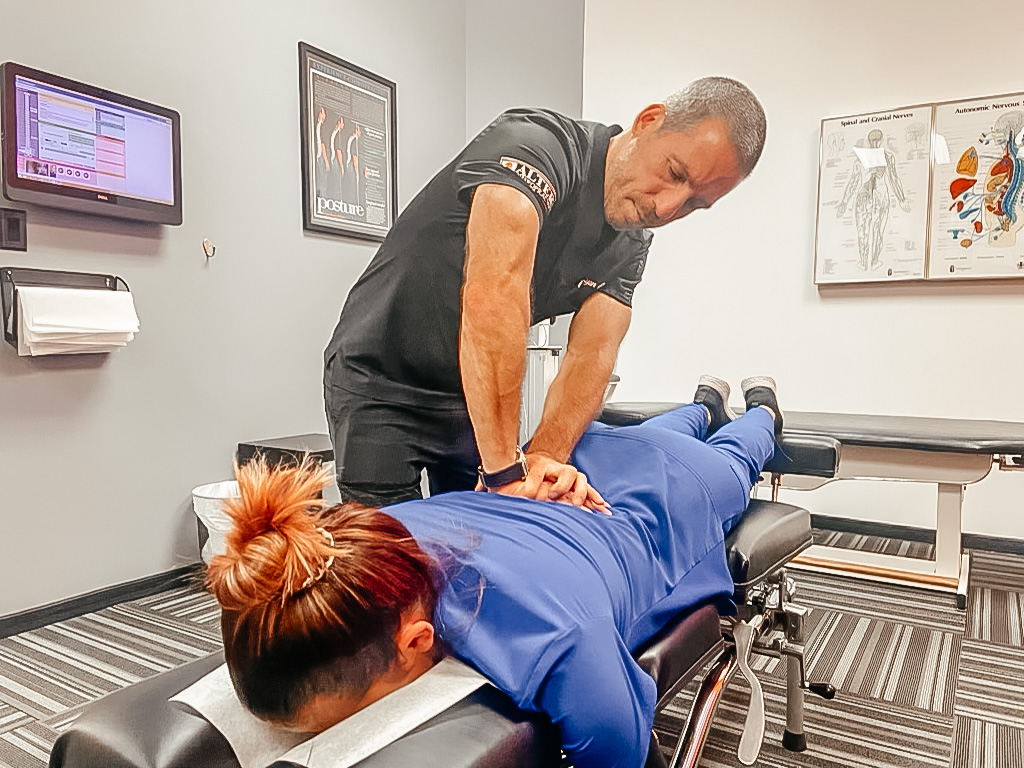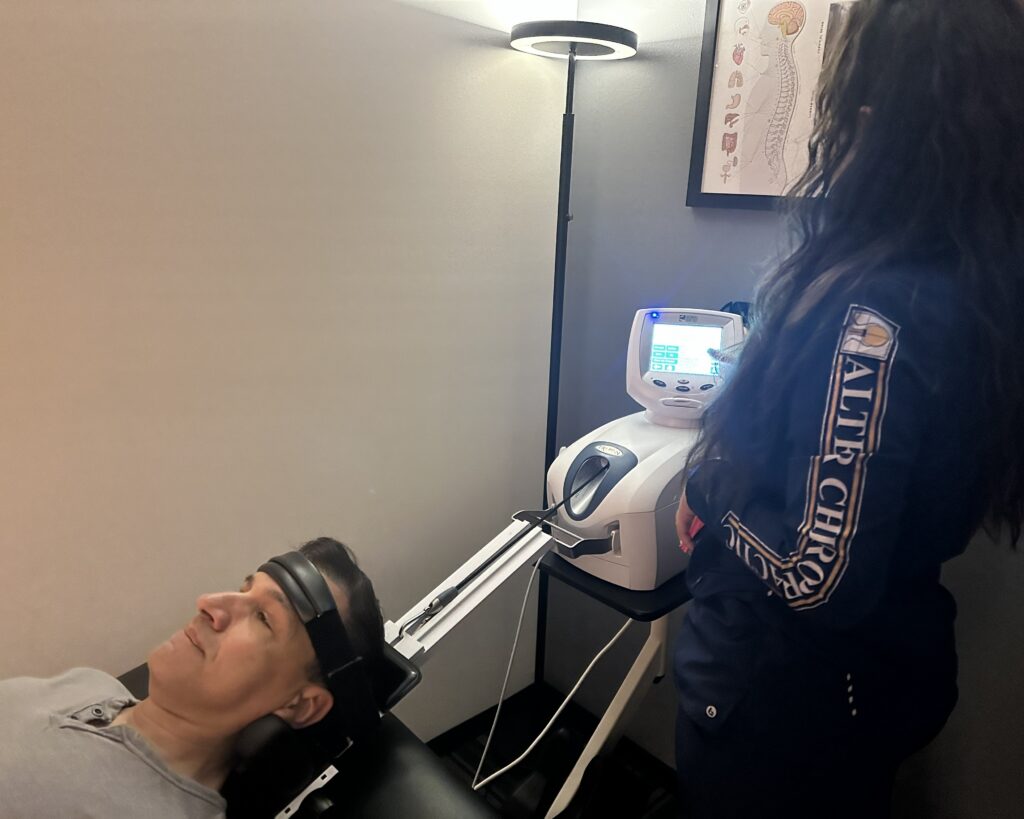

As a local chiropractor, I often see patients struggling with back pain, and one of the first things I address is their posture. Many people don’t realize that poor alignment can lead to significant discomfort and strain on your muscles. It’s crucial to understand that simple adjustments in how you sit, stand, and even sleep can make a world of difference in alleviating that pain.
So, how can you improve your posture to find relief? Let’s delve into some practical strategies that can help you feel better. By incorporating these techniques into your daily routine, you can support your spine and enhance your overall well-being. Remember, taking care of your posture is not just about immediate relief; it’s also about fostering long-term health. I’m here to guide you through these adjustments and help you on your journey to natural healing.
Understanding the Importance of Posture
As a local chiropractor, I want to emphasize the critical role that posture plays in your overall health, particularly when it comes to preventing back pain. Many people are unaware of how their daily habits can negatively impact their spine’s alignment. Proper posture not only supports your body but also allows it to function more efficiently, reducing unnecessary strain on your muscles and ligaments.
When you sit or stand with good posture, you distribute your weight evenly, which minimizes your risk of discomfort and injury. It’s important to pay attention to the alignment of your head, shoulders, and hips. Keeping these in line is vital for maintaining a neutral spine, which is essential for optimal health.
Whether you’re working at a desk, driving, or simply walking, making a conscious effort to maintain good posture can lead to significant improvements in your well-being.
Remember, good posture isn’t just about looking confident; it’s about actively protecting your back. By adopting better posture habits, you can pave the way for a pain-free life and ensure your spine remains healthy and aligned.
As your chiropractor, I’m here to guide you in developing these habits for a healthier, more comfortable lifestyle.
Common Causes of Poor Posture
As a local chiropractor, I often see patients who are struggling with posture, even when they make an effort to sit or stand correctly. One of the primary culprits I encounter is prolonged sitting. Many of us spend hours at our desks or slouched on the couch while using our devices, which can lead to significant muscle imbalances over time.
Another contributing factor is muscle weakness. If your core and back muscles aren’t strong enough, they can’t provide the necessary support for your spine, leading to misalignment.
Stress and fatigue can also contribute to poor posture, as we tend to unconsciously slouch under pressure.
Additionally, the ergonomics of your workspace play a crucial role. If your chair or desk isn’t set up properly, it can be incredibly challenging to maintain an upright posture.
Lastly, don’t underestimate the importance of footwear. Wearing improper shoes can greatly impact your posture, so it’s essential to choose footwear that supports alignment.
Recognizing these common causes is the first step toward improving your posture and overall well-being.
As your chiropractor, I’m here to help guide you through natural healing methods and provide personalized recommendations tailored to your individual needs.
Together, we can work towards achieving better alignment and a healthier lifestyle.
Assessing Your Current Posture
As your local chiropractor, I want to emphasize the importance of being mindful of your posture for better back health.
Many of you may not realize that you could be making common posture mistakes that contribute to discomfort and pain. It’s crucial to assess how you carry yourself throughout the day.
Let’s take a look at some straightforward tools and techniques to help you evaluate and improve your posture effectively.
Importance of Posture Awareness
As a chiropractor, I often see how poor posture can subtly creep into our daily lives, leading to discomfort and back pain. It’s crucial to cultivate an awareness of how you hold your body, as this can significantly impact your overall health.
Throughout your day, take a moment to check in with yourself. Are you slumping at your desk or leaning over your phone? Recognizing these habits is the first step toward improvement.
I encourage you to stand tall, with your shoulders back and your chin parallel to the ground. When seated, ensure your feet are flat on the floor and that your back maintains its natural curve.
This mindfulness not only helps alleviate discomfort but also fosters healthier habits in the long run. The more you practice maintaining good posture, the more instinctive it will become, leading to a reduction in back pain and an enhancement in your overall well-being.
Remember, chiropractic care is here to support you in this journey. By combining posture awareness with chiropractic adjustments, you can achieve a healthier spine and a more balanced life.
Let’s work together to create a foundation for lasting wellness!
Common Posture Mistakes
As a local chiropractor, I want to shed light on some common posture mistakes that many of my patients unknowingly make.
These habits might seem harmless at first, but they can lead to discomfort and pain over time. It’s essential to understand how these issues can impact your body.
Here are some common pitfalls to be aware of:
- Slouching while sitting or standing can place unnecessary strain on your spine.
- Leaning forward when using a computer or phone can lead to neck and upper back tension.
- Crossing your legs for prolonged periods can throw off your pelvic alignment.
- Holding your head at an improper angle, whether too low or too high, can create muscle imbalances.
- Neglecting to take breaks to stretch during long periods of sitting can exacerbate stiffness and discomfort.
Recognizing these mistakes is the first step toward improving your posture and overall health.
By making small adjustments throughout your day, you can significantly reduce strain on your back and enhance your well-being.
Remember, awareness is crucial to achieving lasting relief.
If you’re interested, I’m here to help guide you through effective posture practices and natural healing techniques that can support your journey to better health.
Tools for Assessment
As your local chiropractor, I want to emphasize the importance of evaluating your posture for optimal health and well-being. Understanding your body’s alignment is crucial in identifying areas that may require attention. A simple way to start is by using a mirror to check your posture. Stand tall and ensure that your ears, shoulders, and hips are in line with each other.
Taking a side view can also help you see if your spine maintains its natural curves, which is essential for overall spinal health.
You can also leverage technology to gain more insights into your posture. Using your smartphone or a camera, record yourself while sitting and standing. This will help you spot any slouching or asymmetries that might be affecting your spine. There are also various apps available that can analyze your posture through your phone’s camera, providing immediate feedback.
For a more in-depth assessment, I recommend scheduling a posture evaluation with me or another qualified physical therapist. This professional insight will be tailored specifically to your needs and can help you develop a plan to improve your posture and enhance your overall health.
Proper Sitting Techniques
As a local chiropractor, I want to emphasize the importance of proper sitting techniques in alleviating back pain and promoting overall spinal health. Many people are unaware of how their posture can impact their well-being, so let me share some valuable tips to help you sit correctly and support your spine:
- Ensure your feet are flat on the floor or resting comfortably on a footrest. This helps maintain balance and reduces pressure on your lower back.
- Choose a chair that offers good lumbar support, or consider adding a cushion to provide additional support for your lower back. This can significantly improve your comfort while sitting.
- Aim for a 90-degree angle at both your knees and hips. This position helps to keep your spine aligned and reduces strain on your muscles.
- Align your shoulders with your hips, and be mindful to avoid slouching. Maintaining an upright posture allows your spine to remain in a neutral position, reducing tension and discomfort.
- Remember to take regular breaks every 30 minutes. Stand up, stretch, and move around to keep your muscles active and prevent stiffness.
By implementing these techniques, you can reduce the strain on your back and enhance your overall comfort throughout the day.
The goal is to maintain a neutral spine position while sitting, allowing your body to relax without sacrificing good posture.
Listen to your body and make adjustments as needed, and never hesitate to reach out if you have questions about how chiropractic care can further support your health and well-being.
Standing Posture Tips
As a local chiropractor, I want to emphasize the importance of maintaining good standing posture for your spinal health and overall well-being. Proper posture is key to preventing back pain and ensuring your body functions optimally.
Begin by positioning your feet shoulder-width apart and evenly distributing your weight on both feet. This foundational stance helps stabilize your body. Engaging your core muscles is crucial; it supports your spine and promotes a stronger posture.
Keep your shoulders relaxed and down to avoid any unnecessary hunching that can lead to discomfort. It’s also important to align your head with your spine. Make sure your ears are directly over your shoulders to maintain proper alignment.
If you’re required to stand for extended periods, remember to shift your weight from one foot to the other to help alleviate fatigue in your muscles. Avoid locking your knees; instead, keep them slightly bent to enhance your balance.
Wearing supportive footwear is another essential aspect of good posture. Shoes that cushion your feet and promote proper alignment can make a significant difference in how you feel throughout the day.
I encourage you to take regular breaks to stretch or walk around. This simple practice can relieve tension and keep your muscles engaged.
Remember, incorporating these tips into your daily routine can greatly enhance your posture and reduce the risk of back pain. As you go about your day, listen to your body and make adjustments as necessary.
With consistent practice, you can improve your posture and support your spinal health naturally. If you have any questions or need further guidance, don’t hesitate to reach out for personalized advice.
The Role of Ergonomics in Posture
As a local chiropractor, I want to emphasize the vital role ergonomics plays in maintaining a healthy posture, particularly if you find yourself sitting or standing for extended periods.
By thoughtfully arranging your workspace and daily habits with ergonomic principles in mind, you can significantly decrease your chances of experiencing back pain and enhance your overall comfort.
Here are some essential ergonomic tips I recommend:
- Chair Height: Make sure your chair is adjusted so that your feet rest flat on the floor. This provides a stable base and supports your lower back.
- Desk Setup: Your computer monitor should be at eye level. This helps prevent unnecessary strain on your neck and shoulders, which can lead to discomfort over time.
- Keyboard Position: Position your keyboard so that your elbows are at a 90-degree angle. This will help reduce tension in your wrists and arms.
- Foot Support: If your feet don’t comfortably touch the ground, consider using a footrest. This can help alleviate pressure on your legs and lower back.
- Movement Breaks: It’s crucial to incorporate regular breaks into your routine. Stand up, stretch, and take brief walks to keep your muscles engaged and reduce stiffness.
By implementing these ergonomic strategies, you can foster better posture, which translates to less discomfort and improved productivity in your daily activities.
Posture Techniques for Sleeping
As a local chiropractor, I want to emphasize the importance of your sleeping posture, given how much time you spend in bed each night. The right sleeping position can significantly reduce your risk of back pain and improve your overall well-being.
For those of you who sleep on your side, I recommend placing a pillow between your knees. This simple adjustment helps keep your spine aligned and can alleviate pressure on your lower back.
If you find yourself sleeping on your back, try placing a small pillow under your knees. This will support the natural curve of your spine and promote a healthier sleeping posture.
For stomach sleepers, it’s best to use a very thin pillow or even none at all. This helps to minimize strain on your neck, which can often lead to discomfort.
Additionally, the mattress you choose plays a vital role in your sleep quality. Make sure it offers the right balance of support and comfort to suit your needs.
Lastly, I encourage you to maintain a consistent sleep schedule. This helps your body recover and repair during the night, enhancing your overall health.
Stretching and Strengthening Exercises
As your local chiropractor, I want to emphasize the importance of incorporating regular stretching and strengthening exercises into your routine for optimal spinal health and to alleviate back pain.
These exercises play a vital role in loosening tight muscles and developing the strength necessary to support your spine effectively. Just a few minutes each day can lead to significant improvements in your overall well-being.
Here are some exercises that I recommend for you to consider:
- Cat-Cow Stretch: This gentle movement enhances flexibility in your spine, promoting better alignment and mobility.
- Child’s Pose: A restorative posture that relaxes your back and stretches your hips, helping to relieve tension.
- Bridge Exercise: This exercise strengthens your glutes and lower back, providing essential support to your spine.
- Plank: Engaging your core through planks is crucial for stability, which is key to maintaining proper spinal alignment.
- Seated Forward Bend: This stretch targets the hamstrings and lower back, alleviating tension and improving flexibility.
As you embark on this journey, remember to start slowly and pay attention to how your body responds.
Consistency is essential. Over time, as you gradually enhance your strength and flexibility, you may experience relief from back pain and a noticeable improvement in your posture.
Embracing these practices can complement the benefits of chiropractic care and promote a healthier, more vibrant lifestyle.
Maintaining Good Posture Daily
As your local chiropractor, I want to emphasize the importance of maintaining good posture every day for your overall health and well-being.
To begin, let’s discuss your workspace. Ensuring that your desk is ergonomically set up can greatly impact your posture. A well-adjusted chair and desk height will allow you to sit comfortably while keeping your spine aligned.
Additionally, being mindful of how you sit and stand throughout the day is crucial. I encourage you to adopt mindful sitting practices—this means regularly checking in with your posture and making necessary adjustments.
Remember, it’s not just about sitting; standing posture is equally important. Proper alignment while standing can alleviate strain on your spine and help prevent discomfort.
By incorporating these practices into your daily routine, you’re taking proactive steps towards better posture and overall health.
If you have any questions or need guidance on how to implement these changes, I’m here to help you on your journey to natural healing and wellness.
Desk Ergonomics Essentials
As a chiropractor, I understand the importance of maintaining a workspace that supports healthy posture, especially for those of you who spend long hours at a desk.
Simple adjustments to your environment can significantly alleviate strain on your back and neck, promoting overall well-being. Here are some essential desk ergonomics tips that I encourage you to consider:
- Chair Height: Ensure your chair is adjusted so that your feet can rest flat on the floor. This positioning helps maintain a natural spine alignment.
- Monitor Position: Your computer screen should be at eye level and approximately an arm’s length away. This will help reduce the tendency to lean forward, which can lead to neck and shoulder discomfort.
- Keyboard and Mouse: Position your keyboard and mouse at a height that allows your elbows to stay close to your body. This minimizes strain on your arms and wrists.
- Back Support: Opt for a chair that provides good lumbar support, or consider adding a cushion to support the natural curve of your lower back. Proper support can prevent fatigue and pain.
- Frequent Breaks: Remember to stand, stretch, or take a short walk every hour. These breaks are crucial for relieving tension and promoting circulation.
By implementing these tips, you can foster better posture throughout your workday, ultimately supporting your overall health.
If you have any questions or need personalized guidance, feel free to reach out!
Mindful Sitting Practices
As a local chiropractor dedicated to your well-being, I want to emphasize the importance of mindful sitting practices after you’ve set up an ergonomic workspace. Maintaining good posture is crucial for your overall health, especially if you spend long hours at your desk.
Begin by ensuring your feet are flat on the floor and your knees are bent at a 90-degree angle. It’s vital to sit back in your chair, utilizing the backrest for support, so your shoulders align directly over your hips. Be mindful to avoid slouching or leaning forward; instead, gently engage your core muscles to provide stability and support.
Remember to take regular breaks to stand up and stretch—this simple act can help reset your body and alleviate tension. Pay close attention to how your body feels in this seated position; if you experience any discomfort, don’t hesitate to adjust your posture.
Incorporating mindfulness into your sitting habits can significantly improve your posture and help reduce back pain, leading to a more comfortable and productive workday.
As you explore the benefits of chiropractic care and natural healing, remember that these practices are key to maintaining a healthy spine and overall wellness.
Standing Posture Tips
As a local chiropractor, I want to emphasize the importance of good standing posture for your overall health and well-being. Many people don’t realize that proper posture can significantly reduce back pain and improve your quality of life.
Here are some simple yet effective tips to help you stand tall and minimize strain on your back:
- Start by positioning your feet shoulder-width apart; this will provide a solid base and enhance your stability.
- Make sure to distribute your weight evenly across both feet to avoid unnecessary tension on one side of your body.
- Engage your core muscles; they play a crucial role in supporting your spine and maintaining balance.
- Remember to relax your shoulders and pull them slightly back. This helps open up your chest and encourages proper alignment.
- Finally, align your ears, shoulders, and hips in a straight line. This alignment is key to maintaining a healthy posture.
By incorporating these tips into your daily routine, you can help alleviate discomfort and promote a healthier, more balanced lifestyle.
If you have any questions or would like to learn more about how chiropractic care can support your posture and overall health, feel free to reach out!
Conclusion
As a local chiropractor, I want to share how incorporating specific posture techniques into your daily routine can significantly help manage your back pain. Understanding the importance of alignment and ergonomics is crucial for actively supporting your spine and reducing unnecessary strain.
I encourage you to regularly assess your posture—whether you’re sitting at your desk, standing in line, or lifting objects. Practicing proper techniques can make a world of difference. Also, don’t overlook the benefits of stretching exercises; they are essential for maintaining flexibility and preventing discomfort.
With consistent effort and mindfulness about your posture, you can experience relief from pain and enhance your overall well-being. Start today on your journey to a healthier, pain-free lifestyle. Remember, I’m here to guide you through this process and provide the support you need!