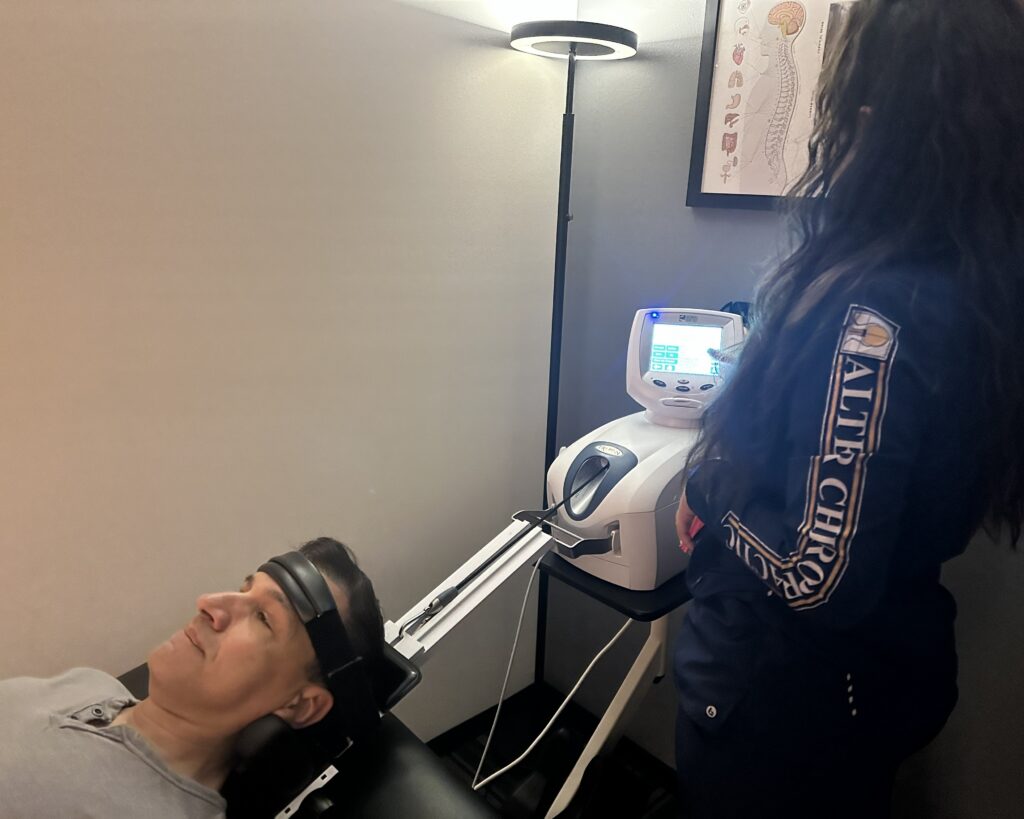
When headaches strike, it’s natural to wonder about your options for relief. Instead of reaching for medications, consider exploring the benefits of chiropractic care. Understanding the different types and triggers of your headaches is crucial in making informed decisions about your health. Did you know that simple lifestyle choices can significantly impact your pain levels?
Chiropractic care focuses on the spine and nervous system, aiming to restore balance and proper function. Many people find that regular chiropractic adjustments can reduce the frequency and severity of headaches by addressing underlying issues related to spinal alignment and tension.
Here are a few general tips to help you manage headaches naturally:
- Stay Hydrated: Dehydration can trigger headaches. Aim to drink plenty of water throughout the day.
- Maintain Good Posture: Poor posture can strain your neck and spine, leading to headaches. Be mindful of your posture when sitting or using devices.
- Incorporate Regular Exercise: Physical activity can help reduce stress and tension, both of which are common headache triggers.
- Practice Stress Management: Techniques such as deep breathing, meditation, or yoga can be beneficial in managing stress levels.
- Get Enough Sleep: Aim for a consistent sleep schedule and ensure you’re getting quality rest, as sleep deprivation can contribute to headaches.
By focusing on these natural methods and considering chiropractic care, you can work towards achieving optimal health and reducing headache pain. Let’s take a closer look at how chiropractic care might be the best choice for you in finding lasting relief and promoting overall wellness.
Key Takeaways
Chiropractic care is a powerful approach to addressing the root causes of headaches by focusing on spinal health and the function of your nervous system. Unlike medications that often just mask the symptoms, chiropractic care aims to find and treat the underlying issues that may be leading to your headaches.
While medications can offer quick relief, they may not tackle the deeper problems that contribute to chronic headaches. This is where chiropractic care shines, as it seeks to restore balance and proper alignment in your spine, which can significantly reduce headache frequency and intensity.
In addition to chiropractic adjustments, there are natural remedies that can help ease headache pain without the side effects associated with medications. For instance, using peppermint oil or sipping on ginger tea can offer soothing relief. These simple, natural solutions are great complements to your chiropractic care.
Making lifestyle changes can also play a crucial role in headache prevention. Staying properly hydrated, practicing mindfulness, and engaging in regular exercise can help you manage stress and tension that often lead to headaches. These habits not only support your overall health but also reduce your dependence on medication for relief.
Combining chiropractic care with these natural remedies and healthy lifestyle choices can create a holistic approach to managing headaches and enhancing your well-being. By prioritizing spinal health and natural healing, you can achieve optimal health and enjoy a life with fewer headaches. Remember, your body is designed to heal itself, and chiropractic care is here to support you on that journey!
Understanding Headaches: Types and Triggers
When you experience a headache, it’s important to understand the different types and triggers that could be contributing to your discomfort. Headaches generally fall into two categories: primary and secondary.
Primary headaches, like migraines and tension headaches, occur on their own and can be quite debilitating. Migraines often come with symptoms like nausea and sensitivity to light, while tension headaches usually feel like a dull, aching pressure around your head.
On the flip side, secondary headaches happen due to underlying issues, such as sinus infections or dehydration. Understanding your specific triggers can be key to managing headaches effectively. Common triggers include stress, lack of sleep, certain foods, and hormonal changes.
One helpful tip is to keep a headache diary. This can help you identify patterns and pinpoint what might be causing your headaches. This understanding not only aids in prevention but also allows you to communicate better with your healthcare provider.
As a chiropractor, I emphasize the importance of spinal health in achieving overall wellness. Misalignments in the spine can contribute to tension headaches and discomfort. Regular chiropractic adjustments can help restore proper alignment, alleviate tension, and promote natural healing.
Incorporating relaxation techniques, staying hydrated, and maintaining a regular sleep schedule can also support your well-being.
The Role of Over-the-Counter Medications
Understanding your headache triggers is just the first step in managing your pain, and as a chiropractor, I want to emphasize the importance of addressing the root causes of headaches rather than just masking the symptoms with medications.
While over-the-counter (OTC) options like ibuprofen, acetaminophen, and aspirin might provide temporary relief, they don’t solve the underlying issues that can lead to headaches.
Chiropractic care focuses on the health of your spine and nervous system, which are integral in preventing and alleviating headache pain. Misalignments in the spine can lead to tension and stress in the surrounding muscles, resulting in headaches.
By receiving regular chiropractic adjustments, you can help restore proper alignment and function to your spine, which may reduce the frequency and intensity of your headaches naturally.
In addition to chiropractic adjustments, there are several simple tips you can incorporate into your daily routine to support your overall health and reduce headache triggers:
- Stay Hydrated: Dehydration can lead to headaches, so make sure you drink plenty of water throughout the day.
- Manage Stress: Practice relaxation techniques such as deep breathing, meditation, or yoga to help reduce stress levels, which can be a major headache trigger.
- Maintain Good Posture: Poor posture can strain your neck and back, leading to headaches. Be mindful of your posture, especially when sitting for long periods.
- Regular Exercise: Engage in regular physical activity to improve circulation and reduce muscle tension.
- Adequate Sleep: Ensure you’re getting enough restful sleep each night, as sleep deprivation can also contribute to headaches.
If your headaches persist or worsen, I encourage you to consult with a healthcare professional who specializes in natural healing, like a chiropractor.
Together, we can explore holistic approaches to pain management that focus on your overall well-being. Remember, achieving optimal health often requires a combination of strategies, and chiropractic care can play a vital role in your journey to relief.
Exploring Natural Remedies for Headache Relief
When it comes to finding relief from headaches, many people turn to over-the-counter medications. However, as a local chiropractor, I believe exploring natural remedies not only addresses the symptoms but also tackles the underlying causes of headaches.
These remedies can often be incorporated easily into your daily routine and tend to have fewer side effects. Here are some effective options to consider:
- Peppermint oil: Applying diluted peppermint oil to your temples can enhance blood flow and alleviate tension headaches. This natural approach can be a great complement to the spinal adjustments you receive in chiropractic care.
- Ginger tea: Sipping on ginger tea can help reduce inflammation and nausea that often accompany headaches. This soothing drink can be a simple addition to your wellness routine.
- Acupressure: Using your fingers to apply pressure to specific points on your body may help relieve pain and tension. This technique can be a great way to empower yourself in managing discomfort between chiropractic visits.
- Hydration: Staying well-hydrated is crucial for preventing dehydration-related headaches. Make it a habit to drink plenty of water throughout the day to support your overall health.
- Essential oils: Aromatherapy with calming scents like lavender or eucalyptus can create a peaceful environment that may help ease headache symptoms. Consider using a diffuser or applying diluted oils during your relaxation time.
In addition to these remedies, regular chiropractic care can significantly enhance your overall health and reduce the frequency and intensity of headaches.
By aligning your spine and optimizing your nervous system function, chiropractic adjustments can help alleviate the root causes of headaches.
Lifestyle Changes to Prevent Headaches
Making simple lifestyle changes can significantly reduce the frequency and severity of headaches, and as a chiropractor, I believe that incorporating these changes can complement the benefits of chiropractic care for optimal health. Here are some effective strategies to consider:
- Stay Hydrated: Ensure you’re drinking plenty of water throughout the day. Dehydration is a common headache trigger, and proper hydration can help maintain your overall well-being and spinal health.
- Mind Your Diet: Pay attention to your eating habits. Regular meals can help stabilize your blood sugar levels, which is crucial in preventing headaches. Try to limit your intake of excessive caffeine and sugar, as they can lead to spikes and drops in energy that may contribute to discomfort.
- Get Moving: Regular physical activity not only enhances your overall health but also helps reduce tension headaches. Aim for at least 30 minutes of moderate exercise most days. Whether it’s a brisk walk, cycling, or yoga, movement is vital for keeping your spine and muscles healthy.
- Prioritize Sleep: Establishing a consistent sleep schedule is essential for recovery and overall health. Quality sleep helps your body heal and can significantly reduce the likelihood of headaches.
- Manage Stress: Stress can be a major headache trigger, so it’s important to find ways to relax. Techniques such as yoga, meditation, and deep breathing exercises can help you unwind and relieve tension that may be impacting your spine and overall health.
- Posture Awareness: If you spend long hours at a desk, be mindful of your posture. Poor posture can lead to tension in your neck and shoulders, which can trigger headaches. Adjust your workspace to promote a healthy alignment, and consider regular chiropractic adjustments to help maintain proper spinal alignment and alleviate tension.
By incorporating these lifestyle changes and seeking regular chiropractic care, you can take proactive steps towards reducing headaches and enhancing your overall health and wellness.
Taking the Quiz: Finding Your Ideal Relief Method
After making lifestyle adjustments to help prevent headaches, it’s essential to explore effective ways to manage and relieve them when they do occur. Taking a quiz can be a great starting point to identify the best methods for your individual needs. This will help you discover options tailored to your specific situation, allowing you to return to feeling your best as quickly as possible.
When taking the quiz, consider these important factors:
- Headache type: Are you experiencing tension headaches, migraines, or cluster headaches? Understanding the type can help tailor your relief strategy.
- Duration: How long do your headaches usually last? Knowing this can assist in determining the most effective natural methods for relief.
- Triggers: Are there specific activities or foods that seem to bring on your headaches? Identifying these can help you avoid them in the future and reduce headache occurrences.
- Current habits: While chiropractic care focuses on spinal health, being aware of any other methods you’re currently using can provide insight into your overall wellness approach.
- Personal preferences: Do you lean towards natural remedies or are you open to exploring various options? Chiropractic care emphasizes natural healing, so understanding your preferences is key.
As a chiropractor, I want to emphasize the importance of spinal health in preventing headaches. Regular chiropractic adjustments can help align your spine, relieve tension, and improve your overall well-being.
Additionally, consider these general tips to help alleviate headaches naturally:
- Stay Hydrated: Dehydration can be a common headache trigger, so ensure you’re drinking enough water throughout the day.
- Maintain Good Posture: Poor posture can lead to tension headaches. Be mindful of your posture, especially when sitting for long periods.
- Manage Stress: Incorporate relaxation techniques like deep breathing, meditation, or yoga into your daily routine to help manage stress levels.
- Regular Exercise: Engaging in regular physical activity can help reduce the frequency and severity of headaches.
- Get Enough Sleep: Aim for a consistent sleep schedule to ensure your body is well-rested, which can help reduce headache occurrences.
Conclusion
In summary, finding the right headache relief method can be straightforward and empowering. By understanding your specific headache type, identifying triggers, and evaluating your current habits, you can make informed choices that cater to your individual needs. Chiropractic care stands out as a powerful option for pain relief and overall wellness. Not only can it help alleviate headaches, but it also addresses underlying issues related to spinal health that may contribute to discomfort.
Incorporating natural remedies and lifestyle changes is crucial for long-term relief and prevention. Simple practices like maintaining good posture, staying hydrated, and managing stress through relaxation techniques can significantly enhance your well-being. If you’re curious about how chiropractic care can support your journey to better health, take our quiz to discover the best approach for you. Take that step towards effective headache management and embrace a more holistic way of living today!