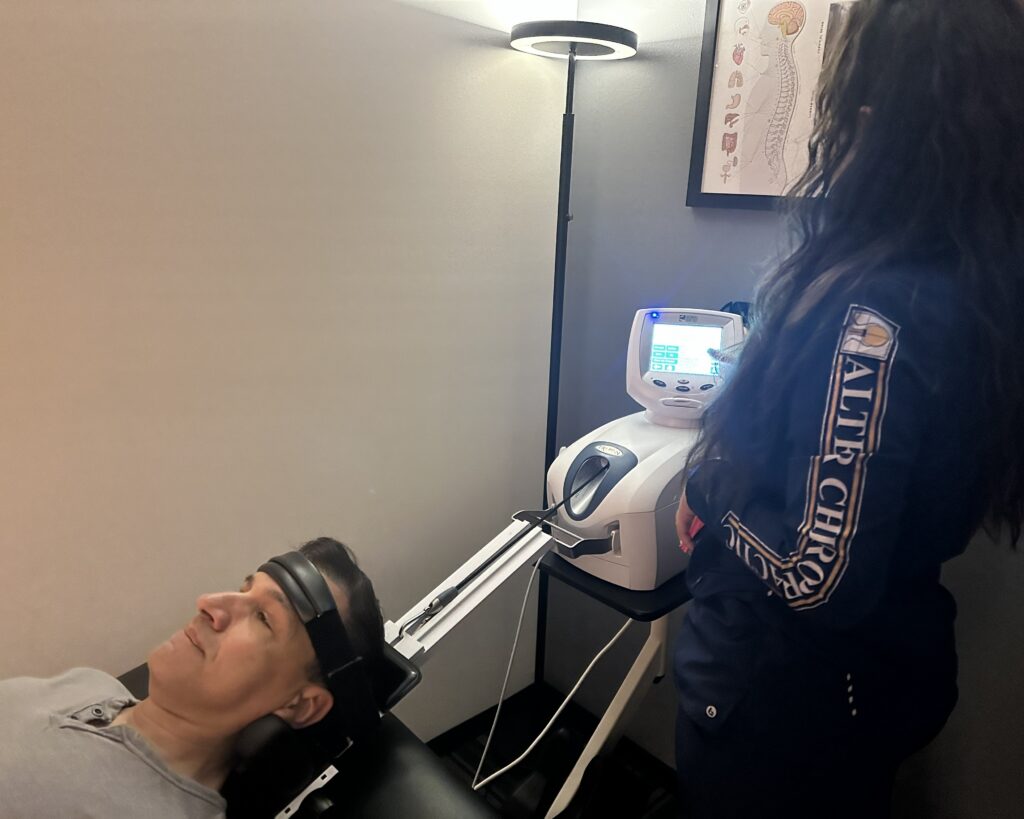

If you’ve ever experienced a tension headache, you know how disruptive it can be. Finding effective relief is essential to maintaining your daily routine. As a chiropractor, I want to share with you some proven methods that can help you manage and prevent these headaches naturally, with a focus on spinal health and wellness.
Tension headaches often stem from muscle tension in the neck and shoulders, as well as misalignments in the spine. Chiropractic care is a powerful tool in addressing these issues. Regular chiropractic adjustments can help restore proper alignment, relieving pressure on nerves and muscles, which can significantly reduce headache frequency and intensity.
In addition to chiropractic care, here are some simple lifestyle adjustments you can make to support your well-being and minimize tension headaches:
- Stay Hydrated: Dehydration can contribute to headaches. Make sure you’re drinking enough water throughout the day.
- Practice Good Posture: Slouching or poor posture can strain the muscles in your neck and back. Be mindful of your posture, especially when sitting at a desk or using your phone.
- Manage Stress: Stress is a common trigger for tension headaches. Techniques such as deep breathing, meditation, and yoga can help you manage stress effectively.
- Take Breaks: If you work at a computer, take regular breaks to stretch and move around. This helps reduce muscle tension and fatigue.
- Get Enough Sleep: Aim for a consistent sleep schedule. Poor sleep can contribute to headaches, so prioritizing rest is key.
- Consider Massage Therapy: Complementing chiropractic care with massage can help relax tight muscles and reduce tension in the head, neck, and shoulders.
Remember, you don’t have to suffer through tension headaches alone. By prioritizing your spinal health through chiropractic care and implementing these simple strategies, you can take charge of your well-being and enjoy a healthier, headache-free life. If you’re looking for personalized care and effective relief, don’t hesitate to reach out to your local chiropractor!
Key Takeaways
- Stay hydrated by drinking at least eight 8-ounce glasses of water daily. Proper hydration is essential to prevent dehydration-related muscle tension and headaches, which can often be eased through chiropractic care.
- Maintain good posture at your workspace. Proper spinal alignment is crucial in preventing tension headaches. Make simple ergonomic adjustments to your chair and desk to support your spine, and consult with your chiropractor for personalized recommendations.
- Engage in regular exercise, such as walking or yoga, for at least 30 minutes most days. Physical activity not only relieves stress but also improves circulation, which can help reduce headache triggers. Your chiropractor can suggest exercises that complement your treatment plan.
- Practice relaxation techniques like deep breathing, mindfulness meditation, or gentle yoga. These methods can calm your mind and reduce muscle tension, making them excellent companions to chiropractic care for headache relief.
- Consider chiropractic care as an effective approach to achieving spinal alignment and relieving muscle tension. Regular adjustments can help maintain your body’s natural balance and support overall well-being. Explore complementary therapies like massage and acupuncture, which can enhance the benefits of chiropractic treatment and further support your journey to optimal health.
Understanding Tension Headaches
Tension headaches, commonly triggered by stress, muscle tension, or poor posture, can feel like a tight band around your head. This discomfort may manifest as a dull, aching pain, often accompanied by tenderness in the scalp, neck, or shoulders. These headaches can vary in intensity and duration, sometimes lasting from a few hours to several days.
As a local chiropractor, I want to emphasize the importance of recognizing the early signs of tension headaches. Ignoring them can lead to increased discomfort and frequency, which can affect your ability to focus or enjoy time with loved ones.
One of the best ways to combat tension headaches is through chiropractic care. Regular adjustments can help relieve muscle tension, improve posture, and promote better spinal alignment, all of which can reduce the frequency and severity of your headaches.
Here are some general tips to help you manage and prevent tension headaches:
- Maintain Good Posture: Pay attention to your posture when sitting or standing. Keeping your spine aligned can reduce the strain on your neck and shoulders.
- Take Breaks: If you’re working at a desk or sitting for extended periods, make sure to take regular breaks to stretch and move around. This can help relieve built-up tension.
- Stay Hydrated: Dehydration can contribute to headaches, so make sure you’re drinking enough water throughout the day.
- Practice Relaxation Techniques: Incorporate stress-reducing practices into your routine, such as deep breathing exercises, yoga, or meditation. These can help manage stress levels and alleviate tension.
- Get Regular Chiropractic Adjustments: Regular visits to your chiropractor can help keep your spine healthy and prevent tension headaches from becoming a recurring issue.
By being aware of your triggers and incorporating these tips into your daily life, you can better manage your symptoms and enhance your overall well-being.
Lifestyle Changes for Prevention
To prevent tension headaches, it’s essential to incorporate simple lifestyle changes that can have a significant impact on your overall well-being. As a local chiropractor, I believe that maintaining a healthy spine and optimizing your body’s function are crucial for preventing headaches and achieving natural wellness.
First and foremost, staying hydrated is vital. Dehydration can lead to muscle tension, which may contribute to headaches. Aim to drink plenty of water throughout the day to support your body’s functions.
Next, focus on nourishing your body with nutritious foods. A balanced diet rich in fruits, vegetables, whole grains, and lean proteins can help reduce inflammation and tension in your muscles. This, in turn, can lead to fewer headaches.
Regular exercise is another key strategy for preventing tension headaches. Physical activity helps to relieve stress, improves circulation, and keeps your spine and muscles healthy. Whether it’s walking, yoga, or any form of movement you enjoy, find a routine that works for you.
Managing stress is also crucial. Techniques such as deep breathing, meditation, and chiropractic adjustments can help alleviate tension and promote relaxation.
Chiropractic care is particularly effective for addressing the root causes of tension headaches by ensuring that your spine is properly aligned and your nervous system is functioning optimally.
By incorporating these healthy habits into your daily routine and considering chiropractic care as a natural and effective way to achieve and maintain optimal health, you can significantly reduce the frequency and intensity of your headaches.
Hydration and Nutrition
When you prioritize hydration and nutrition, you can significantly reduce the frequency and intensity of tension headaches, which is essential for maintaining optimal health. As a chiropractor, I often see how lifestyle choices impact overall well-being, and proper hydration plays a key role.
Start by ensuring you drink enough water throughout your day; dehydration is a common trigger for headaches. Aim for at least eight 8-ounce glasses daily, adjusting this amount based on your activity level and the climate you’re in.
Incorporating nutrient-rich foods into your diet is just as crucial. Focus on consuming plenty of fruits, vegetables, whole grains, and lean proteins. Foods rich in magnesium, like spinach and nuts, can help relax your muscles and alleviate tension, making them excellent choices for headache prevention.
Be mindful of your caffeine and sugar intake, as excessive amounts can actually lead to headaches rather than help prevent them. It’s also important to maintain regular meals—don’t skip them! By making these simple adjustments, you can create a solid foundation for headache prevention, enhance your overall wellness, and support your body’s natural healing processes.
Ultimately, chiropractic care complements these lifestyle choices by addressing any misalignments in the spine that may contribute to tension and pain.
Regular Exercise Routine
Incorporating a regular exercise routine into your lifestyle is a fantastic way to manage tension headaches and enhance your overall well-being. As a chiropractor, I emphasize that engaging in activities like walking, swimming, or cycling not only helps to release endorphins—your body’s natural pain relievers—but also supports spinal health and proper alignment.
Aim for at least 30 minutes of moderate exercise most days of the week. This commitment not only strengthens your muscles but also improves blood circulation, which can alleviate muscle tension that often contributes to headaches. Incorporating stretching exercises, such as yoga or Pilates, can be particularly beneficial. These activities promote relaxation, flexibility, and help maintain a healthy spine.
Additionally, it’s essential to listen to your body during these activities. If you experience discomfort, adjust your routine as needed. Remember, chiropractic care works hand-in-hand with your exercise routine to ensure that your spine is aligned and functioning optimally.
For those dealing with tension headaches, consider scheduling regular chiropractic adjustments. These sessions can help reduce pain, improve mobility, and enhance your body’s ability to heal naturally.
Stress Management Techniques
While regular exercise is vital for overall health, managing stress is equally crucial in preventing tension headaches, which can often be related to spinal issues. As a chiropractor, I encourage you to start by identifying your stress triggers—be it work, relationships, or daily responsibilities. Knowing what stresses you allows you to create effective coping strategies that can also support your spinal health.
Incorporating mindfulness or meditation into your routine can help you stay centered and calm, promoting overall well-being. Even just a few minutes a day can make a significant difference. Deep breathing exercises are another excellent way to manage stress and can also help relieve tension in the neck and shoulders. One effective technique is to inhale deeply for four counts, hold for four counts, and exhale for four counts. This not only calms the mind but can also ease tension in your spine.
Make sure to set aside time for enjoyable hobbies or activities. This time for relaxation is essential for both mental and spinal health, allowing your body to unwind and recover.
Additionally, don’t hesitate to seek support from friends, family, or a healthcare professional if you’re feeling overwhelmed.
By prioritizing these stress management techniques and combining them with regular chiropractic care, you can greatly enhance your overall health, reduce stress, and help prevent those pesky tension headaches.
Effective Relaxation Techniques
To effectively manage tension headaches, mastering relaxation techniques can significantly enhance your comfort and overall well-being. As a chiropractor, I believe that incorporating these practices into your daily routine can complement your chiropractic care and promote natural healing.
Start with deep breathing exercises. Inhale slowly through your nose, allowing your abdomen to expand, then gently exhale through your mouth. This simple practice not only calms your mind but also helps reduce muscle tension, which can be a contributing factor to headaches.
Next, consider progressive muscle relaxation. Focus on each muscle group in your body, tensing them for a few seconds before letting go. This technique helps you identify areas of tightness and encourages relaxation, which can be particularly beneficial in conjunction with regular chiropractic adjustments.
Mindfulness meditation is another great tool. Find a quiet space, sit comfortably, and concentrate on the present moment. Observe your thoughts without judgment. This practice can enhance your mental clarity and reduce stress, further supporting your spinal health.
Don’t forget about gentle yoga or stretching. These movements not only relieve physical discomfort but also promote mental relaxation. They can enhance the effectiveness of your chiropractic care by improving flexibility and reducing tension in your muscles.
By regularly incorporating these relaxation techniques into your routine, you’ll cultivate a greater sense of peace and well-being, which may help reduce the frequency and intensity of your tension headaches.
Over-the-Counter Medications
When you’re experiencing tension headaches, it’s important to explore natural ways to find relief. While over-the-counter medications like acetaminophen, ibuprofen, and naproxen may offer temporary relief, they don’t address the root cause of the pain. A more holistic approach, such as chiropractic care, can help you achieve optimal health and manage headaches effectively.
Chiropractic adjustments focus on aligning your spine and improving nervous system function, which can reduce tension and alleviate headache symptoms. By addressing any misalignments in your spine, you can promote better blood flow and reduce inflammation, leading to less frequent and less intense headaches.
To prevent tension headaches, consider incorporating some simple lifestyle changes. Make sure to stay hydrated, practice good posture, and take regular breaks from screens to reduce eye strain.
Additionally, engaging in regular physical activity and managing stress through relaxation techniques like deep breathing or yoga can also be beneficial.
If you find yourself struggling with frequent headaches, keeping a diary to track their occurrence can be helpful. This can provide insights into potential triggers and help your chiropractor tailor a treatment plan that’s right for you.
Always consult with your chiropractor if you have any concerns about your headaches or overall health.
Alternative Therapies and Treatments
Exploring alternative therapies and treatments can be a great way to relieve tension headaches and support your overall well-being. While many options exist, chiropractic care stands out as a natural and effective method for addressing the underlying causes of headaches. A chiropractor can assess your spinal health and make adjustments to alleviate tension and restore proper alignment, which may significantly reduce headache frequency and intensity.
In addition to chiropractic adjustments, integrating practices like yoga and meditation into your routine can help reduce stress and promote relaxation, further easing headache symptoms. These techniques encourage mindfulness and body awareness, which can be beneficial for your overall health.
Acupuncture is another complementary option that some individuals find helpful. By stimulating specific points on the body, it may relieve pain and tension. However, chiropractic care often provides more comprehensive support by directly addressing spinal misalignments that contribute to headaches.
Massage therapy can also play a supportive role. A skilled therapist can target tight muscles in your neck and shoulders, helping to release built-up tension that contributes to headaches.
Additionally, consider incorporating essential oils like lavender and peppermint into your routine. Their calming properties can help ease discomfort when inhaled or applied topically.
Lastly, don’t underestimate the importance of lifestyle changes. Regular exercise and staying properly hydrated can greatly improve your overall health and reduce the likelihood of headaches.
When to Seek Professional Help
If your tension headaches have been lingering for weeks or even months, it’s a clear sign that you should consider seeking professional help. While occasional headaches can be normal, persistent discomfort could indicate underlying issues that need attention. Severe symptoms like intense pain or nausea are signals that shouldn’t be overlooked.
Chiropractic care offers a natural and effective way to manage headaches without the need for medications or surgeries. A chiropractor can help identify the root cause of your tension headaches, often related to spinal misalignments or muscle tension. Through gentle adjustments and therapeutic techniques, we can help restore balance to your body, alleviating pain and promoting overall wellness.
In addition to seeking chiropractic care, there are several tips you can incorporate into your daily routine to help manage and prevent tension headaches:
- Practice Good Posture: Maintain an ergonomic workspace and be mindful of your posture throughout the day to reduce strain on your neck and spine.
- Stay Hydrated: Dehydration can trigger headaches, so make sure you’re drinking enough water throughout the day.
- Manage Stress: Engage in relaxation techniques such as deep breathing, meditation, or yoga to help reduce stress levels, which can contribute to tension headaches.
- Regular Exercise: Incorporating physical activity into your routine can help relieve tension and improve your overall health.
- Adequate Sleep: Ensure you’re getting enough quality sleep each night, as fatigue can exacerbate headache symptoms.
By prioritizing your spinal health and adopting these healthy habits, you can take significant steps toward reducing tension headaches and enhancing your well-being.
Chronic Pain Duration
Chronic pain, including tension headaches, can be challenging to manage. As a local chiropractor, I want to help you understand when it’s time to seek support and how chiropractic care can play a vital role in your wellness journey.
Headaches can vary in how long they last and how intense they feel. If your headaches stick around for more than a few days or start to interfere with your daily activities, it’s a sign that you should consider a chiropractic evaluation.
Here’s an easy guide to help you understand your headaches:
| Duration of Headache | Severity Level | Suggested Action |
|---|---|---|
| Less than 3 days | Mild to Moderate | Try natural remedies like hydration, relaxation techniques, and gentle stretching. Consider scheduling a chiropractic adjustment to address any underlying spinal issues. |
| 3 to 7 days | Moderate | It’s a good idea to visit your chiropractor. Adjustments can help relieve tension in your neck and upper back, which may be contributing to your headaches. |
| More than 7 days | Severe | Seek chiropractic care right away. Your chiropractor can perform a thorough assessment and provide targeted treatments to help alleviate your pain. |
Recognizing these signs early can lead to better management of your headaches and improve your overall quality of life. Chiropractic care focuses on natural healing, helping your body function at its best without the need for medications or invasive procedures.
In addition to seeking chiropractic care, here are some general tips to help you manage headaches:
- Stay hydrated: Drink plenty of water throughout the day.
- Maintain good posture: Be mindful of your posture while sitting, especially if you work at a desk.
- Practice relaxation techniques: Consider deep breathing, meditation, or yoga to reduce stress.
- Get regular exercise: Gentle physical activity can help relieve tension and improve overall well-being.
Don’t hesitate to reach out for support when needed. Your health and wellness are important, and chiropractic care can be a key part of achieving optimal health!
Severe Symptoms Occurrence
Sometimes, the intensity and persistence of headaches can be a signal that it’s time to explore natural healing options. If you’re dealing with severe symptoms alongside your tension headaches, it’s important to consider a holistic approach to your health. Pay attention to signs such as vision changes, nausea, confusion, or difficulty speaking, as these can indicate the need for immediate attention from a healthcare professional.
However, many headaches can often be traced back to issues with the spine, muscle tension, or stress—areas where chiropractic care can make a significant difference. If you’re finding that your headaches are worsening or happening more frequently, visiting a chiropractor can help identify the root cause and provide effective relief without the need for medications.
Here are a few tips to help manage your headaches naturally:
- Stay Hydrated: Dehydration can lead to headaches, so make sure you’re drinking plenty of water throughout the day.
- Practice Good Posture: Poor posture can contribute to tension headaches. Make sure your workspace is ergonomically friendly to support your spine.
- Regular Chiropractic Visits: Regular adjustments can help align your spine and reduce tension in your muscles, which may alleviate headache symptoms.
- Stress Management: Incorporate relaxation techniques such as deep breathing, yoga, or meditation into your daily routine.
- Limit Screen Time: Taking breaks from screens can prevent eye strain and tension headaches.
If you find that over-the-counter remedies aren’t providing the relief you need after a few days, or if your headaches are interfering with your daily life, consider reaching out to a chiropractor. They can offer a natural and effective way to address your headaches and enhance your overall well-being.
Maintaining Long-Term Relief Strategies
To achieve long-term relief from tension headaches, it’s important to adopt a holistic approach that emphasizes both physical and mental wellness, with chiropractic care at the forefront. Regular chiropractic adjustments can help align your spine, improve posture, and reduce muscle tension, which are key factors in alleviating headaches.
In addition to chiropractic care, incorporating regular exercise into your routine is beneficial. Activities like yoga or walking not only promote relaxation but also enhance circulation and reduce stress on your body.
Be mindful of your posture, especially if you spend long hours sitting, as maintaining proper alignment can prevent headaches from developing.
Stress management is crucial, and techniques such as meditation or deep-breathing exercises can greatly assist in calming your mind. These practices, combined with chiropractic adjustments, can help reduce the frequency of tension headaches.
Also, ensure you’re getting adequate sleep each night; establishing a consistent sleep schedule is vital for overall health and well-being.
Staying hydrated and eating a balanced diet filled with fruits, vegetables, and whole grains can also support your body’s healing processes.
Finally, keep track of your headache triggers in a journal so you can identify patterns and avoid them.
Conclusion
Incorporating these proven methods into your daily routine can significantly relieve tension headaches and enhance your overall well-being. One of the key components to preventing headaches is maintaining good hydration; drinking plenty of water throughout the day helps keep your body functioning optimally. Additionally, managing stress through relaxation techniques, such as deep breathing exercises and mindfulness, can help reduce the tension that often leads to headaches.
Another important factor is posture. Being mindful of your posture, especially while sitting at a desk or using electronic devices, can greatly reduce strain on your spine and neck, which are often contributors to headache pain. Regular chiropractic adjustments can also help align your spine, alleviate tension, and promote better posture, allowing your body to function at its best.
In addition to these lifestyle changes, incorporating gentle stretching and regular movement into your day can help relieve muscle tension and improve circulation, further reducing the likelihood of headaches. If tension headaches persist, don’t hesitate to reach out to a chiropractor who can provide personalized care and guidance tailored to your specific needs.
Staying proactive about your health through natural methods and chiropractic care is the best way to find lasting relief from tension headaches. Remember, taking care of your spine and overall wellness is essential for a pain-free life!