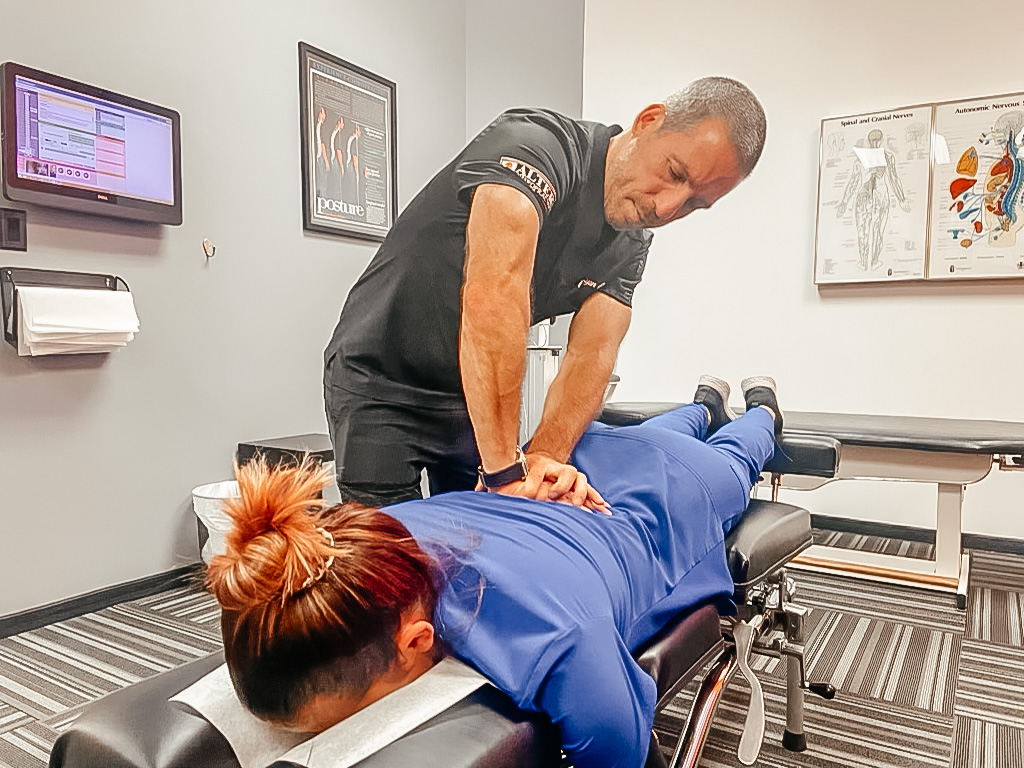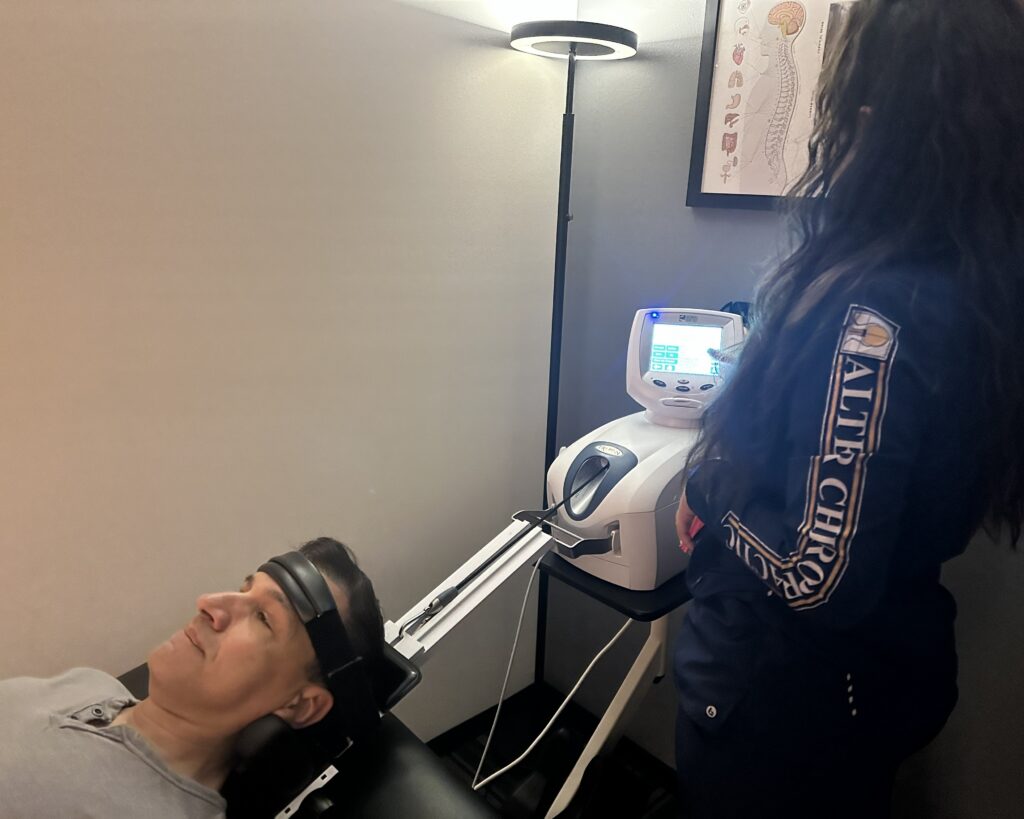

If you experience headaches, you understand how they can disrupt your daily life. As a chiropractor, I want to share how we can provide effective solutions for various headache types, from tension headaches to migraines. Each type comes with its own causes and symptoms, which is why personalized treatments are key to finding relief.
Understanding the different types of headaches can help you make informed choices about your care. For example, tension headaches often stem from stress and muscle tightness, while migraines may involve more complex triggers. By identifying these distinctions, we can tailor a chiropractic approach that best suits your needs.
What may surprise you is that chiropractic care not only addresses pain relief but also helps in preventing future headaches. Through spinal adjustments and holistic treatment methods, we can promote better alignment, reduce tension, and support your overall health.
Here are some general tips that you can incorporate into your daily routine to help manage and prevent headaches:
- Stay Hydrated: Dehydration can trigger headaches, so make sure you drink plenty of water throughout the day.
- Practice Good Posture: Slouching can lead to tension in your neck and shoulders. Maintain a straight back and keep your screen at eye level to minimize strain.
- Manage Stress: Engage in activities that help you relax, such as yoga, meditation, or even a simple walk outside.
- Regular Chiropractic Visits: Consistent adjustments can promote spinal health and reduce the frequency and severity of headaches.
- Get Enough Sleep: A regular sleep schedule can help your body recover and reduce the likelihood of headaches.
By focusing on these holistic approaches, you can enhance your well-being and enjoy a life free from the limitations that headaches impose. If you’re ready to find relief and embrace natural wellness, chiropractic care is here for you. Let’s work together on your journey to optimal health!
Key Takeaways
Chiropractic care is an effective way to treat various types of headaches, helping you achieve optimal health and wellness naturally. Here’s how our approach can help:
- Tension and Cervicogenic Headaches: We focus on correcting spinal misalignments and relieving muscle tension through gentle adjustments and soft tissue therapy. By doing so, we can help you experience relief and improve your overall comfort.
- Migraines: Our chiropractic treatments aim to enhance your spinal alignment and reduce neck tension, which can be significant triggers for migraines. Additionally, we can guide you on lifestyle adjustments to help avoid triggers, promoting a healthier, pain-free life.
- Cluster Headaches: These headaches can be incredibly intense, but our chiropractic care can help. By improving blood flow and reducing nerve irritation through specialized adjustments, we aim to alleviate the severity and frequency of these headaches.
- Sinus Headaches: If you suffer from sinus headaches due to congestion, chiropractic care can provide relief. By making spinal adjustments, we help alleviate pressure and improve drainage, which can lead to a significant reduction in discomfort.
- Rebound Headaches: These headaches often arise from the overuse of pain medications. Our natural approach to chiropractic care can help break the cycle of pain and reduce reliance on medication, allowing your body to heal naturally.
General Tips for Headache Relief:
- Stay Hydrated: Dehydration can trigger headaches, so drink plenty of water throughout the day.
- Practice Good Posture: Maintain proper posture while sitting or standing to reduce strain on your neck and back.
- Manage Stress: Incorporate relaxation techniques such as deep breathing, yoga, or meditation to manage stress levels.
- Regular Physical Activity: Engage in regular exercise to improve circulation and reduce tension in your body.
- Sleep Well: Aim for a consistent sleep schedule and ensure you’re getting quality rest each night.
Remember, chiropractic care is a natural and effective way to address headaches and promote overall wellness. If you’re struggling with any type of headache, don’t hesitate to reach out to us for a personalized assessment and treatment plan. Your journey to pain relief and optimal health starts here!
Tension Headaches
When tension headaches strike, it can feel as though a tight band is squeezing your head. This common type of headache often arises from stress, poor posture, or muscle strain. You may experience a dull, aching pain that can make it hard to focus, with discomfort radiating from your neck and shoulders up to your forehead.
As a local chiropractor, I want to emphasize that regular chiropractic care can be a powerful ally in relieving tension headaches. Chiropractors specialize in identifying misalignments in your spine that can lead to muscle tension and headaches. By utilizing gentle adjustments and targeted therapies, we can help alleviate pain and enhance your overall posture, promoting a better quality of life.
In addition to chiropractic adjustments, there are several simple strategies you can incorporate into your daily routine to help manage and prevent tension headaches. Practicing deep breathing exercises can significantly reduce stress, while gentle stretching can relieve tightness in your neck and shoulders.
Remember to take regular breaks if you’re working long hours at a desk—stand up, stretch, and realign your posture to reduce strain.
Migraines
Migraines can be a real challenge, often presenting with intense, debilitating pain that can last for hours or even days. Many people experience this pain predominantly on one side of their head, and it’s often accompanied by nausea, vomiting, and increased sensitivity to light and sound.
Understanding what triggers your migraines is crucial for managing them effectively. Triggers can include stress, hormonal changes, certain foods, and environmental factors. By identifying and avoiding these triggers, you can help reduce the frequency and severity of your migraines.
As a chiropractor, I believe that chiropractic care is an excellent choice for those suffering from migraines. By focusing on improving spinal alignment and reducing tension in your neck and shoulders, chiropractic adjustments can help alleviate some of the pressure that contributes to migraine pain.
In addition to chiropractic treatment, there are several lifestyle changes you can incorporate into your routine to support your overall well-being. Here are some tips to help you manage migraines naturally:
- Maintain a Regular Sleep Schedule: Aim to go to bed and wake up at the same time every day. A consistent sleep routine can help minimize migraine attacks.
- Stay Hydrated: Dehydration is a common trigger for migraines. Make sure you’re drinking plenty of water throughout the day.
- Practice Stress-Relief Techniques: Activities like yoga, meditation, and deep breathing exercises can help reduce stress levels, which may lessen the likelihood of a migraine.
- Keep a Migraine Diary: Documenting when your migraines occur and what you were doing beforehand can help you identify patterns and triggers.
- Eat Regularly: Skipping meals can trigger migraines for some individuals. Try to eat balanced meals at regular intervals.
If you find yourself struggling with migraines, I encourage you to consult with a chiropractor. We can work together to create a personalized treatment plan that focuses on natural healing and optimal health, allowing you to regain control over your life.
Cervicogenic Headaches
Cervicogenic headaches are a common type of headache that originate from issues in the cervical spine, and they can often feel like tension headaches or migraines, which makes them tricky to pinpoint. If you find yourself dealing with persistent headaches along with neck pain, it’s important to consider this type of headache. These headaches usually begin at the base of your skull and can radiate to your forehead, temples, or behind your eyes.
You might notice that specific neck movements or certain positions can trigger your pain. This suggests that there might be an underlying issue in your cervical spine that needs attention. As a chiropractor, I can help identify these problems through comprehensive assessments, including physical examinations to understand your unique situation.
Chiropractic care is an excellent way to address cervicogenic headaches. Treatments typically include spinal adjustments to realign the vertebrae, soft tissue therapy to relieve muscle tension, and exercises tailored to improve mobility and reduce stress in your neck. By focusing on the root cause of your headaches, chiropractic care not only provides relief but also enhances your overall neck health and wellness.
Here are a few general tips to help manage your neck health and potentially prevent cervicogenic headaches:
- Stay Hydrated: Drink plenty of water throughout the day to keep your muscles and joints hydrated.
- Maintain Good Posture: Be mindful of your posture, especially if you spend long hours sitting at a desk. Use ergonomic furniture if possible.
- Regular Stretching: Incorporate gentle neck stretching into your daily routine to increase flexibility and reduce tension.
- Limit Screen Time: Take breaks from screens to rest your neck and eyes, and practice looking away from your device every so often.
- Get Adequate Sleep: Ensure you have a supportive pillow and a comfortable sleeping position to avoid straining your neck overnight.
Cluster Headaches
Cluster headaches, while less common than other types of headaches, can be extremely intense and debilitating. If you’ve experienced one, you know they strike in cyclical patterns, often at the same time each day. These headaches typically last between 15 minutes and three hours and can occur multiple times within a 24-hour period, making them particularly challenging to manage.
The pain is often described as a burning or piercing sensation, usually centered around one eye or one side of your head. You may also notice symptoms like nasal congestion, tearing, or swelling around the affected eye, which can add to your discomfort.
As a chiropractor, I want to emphasize that chiropractic care can be a powerful ally in alleviating the discomfort associated with cluster headaches. Through spinal adjustments and other techniques, we can improve blood flow, reduce nerve irritation, and promote overall wellness. This approach may help ease the frequency and severity of your headaches, allowing you to enjoy a better quality of life.
In addition to chiropractic care, there are some general tips you can incorporate into your daily routine to support your health and well-being:
- Stay Hydrated: Make sure to drink plenty of water throughout the day. Dehydration can trigger headaches, so keeping your body well-hydrated is essential.
- Maintain a Regular Sleep Schedule: Try to go to bed and wake up at the same time each day. Consistent sleep patterns can help prevent headaches.
- Manage Stress: Engage in stress-relief practices like deep breathing, meditation, or yoga. Reducing stress can help minimize headache triggers.
- Limit Alcohol and Tobacco Use: Both substances can be potential triggers for headaches, so consider reducing or eliminating them from your lifestyle.
- Consult a Chiropractor: If you’re suffering from cluster headaches, seeking chiropractic care can be a valuable step towards finding relief and achieving optimal health.
By taking these steps and incorporating chiropractic care into your wellness routine, you can work toward reducing the impact of cluster headaches and enhancing your overall health.
Sinus Headaches
When you’re experiencing sinus headaches, the discomfort can be quite intense, especially with the pressure and pain that often surrounds your forehead, cheeks, and eyes. These headaches frequently stem from sinus congestion, which can be triggered by allergies, infections, or even shifts in the weather. You may find that symptoms become more pronounced when bending over or lying down, making it difficult to concentrate on your daily activities.
As a chiropractor, I want to emphasize how effective chiropractic care can be in alleviating sinus headaches. By performing gentle adjustments that enhance your spinal alignment, we can help reduce tension in your neck and promote better drainage in your sinuses. This approach not only helps relieve the pressure and pain associated with sinus headaches but also supports your overall health and wellness.
In addition to spinal adjustments, I often recommend simple exercises and stretches that can further support your sinuses and reduce inflammation. For instance, gentle neck stretches or yoga poses can improve circulation and ease tension. Staying hydrated and using a humidifier can also help keep your sinuses clear.
If sinus headaches are a recurring issue for you, consider exploring chiropractic care as a natural and effective way to find relief. My goal is to help you feel your best and restore your quality of life without the need for medications or invasive treatments.
Don’t let these headaches interfere with your daily life; take the first step towards healing with chiropractic care and embrace a healthier, pain-free lifestyle.
Hormonal Headaches
Hormonal headaches can strike unexpectedly, often coinciding with your menstrual cycle or hormonal changes. These headaches can be quite intense and may disrupt your daily activities. By recognizing the signs and triggers, you can better manage these headaches and enhance your overall wellness. Here are some common triggers to keep an eye on:
- Menstrual Cycle: Many women notice headaches occurring right before or during their period. Understanding this pattern can help you prepare and manage your symptoms.
- Birth Control: Hormonal birth control may lead to headaches for some women due to changes in hormone levels. If you experience headaches after starting a new birth control method, it might be worth discussing with a healthcare provider.
- Stress: Both emotional and physical stress can intensify hormonal changes, contributing to headaches. Incorporating stress-reducing techniques like deep breathing, yoga, or meditation can be beneficial.
- Dietary Changes: Skipping meals or consuming certain foods can trigger hormonal fluctuations that result in headaches. Maintaining a balanced diet and staying hydrated can help stabilize your hormones and reduce the likelihood of headaches.
As a chiropractor, I want to emphasize that spinal alignment plays a crucial role in your overall health and can help alleviate headache symptoms. Regular chiropractic adjustments can improve your body’s function, reduce stress, and promote natural healing.
Additionally, I encourage you to adopt healthy habits, such as maintaining good posture, getting enough sleep, and staying active, to support your body’s wellness.
By understanding your triggers and taking proactive steps, you can minimize the impact of hormonal headaches on your life. Remember, chiropractic care is a safe, natural, and effective way to achieve optimal health and relieve pain without the need for medications or invasive procedures.
If you’re struggling with hormonal headaches, consider reaching out to a chiropractor for personalized care and support.
Rebound Headaches
Rebound headaches can arise when pain relief medications are used too frequently, creating a frustrating cycle of pain and reliance on more medication.
It’s crucial to identify the symptoms early on so you can take proactive steps to address them before they escalate.
As a chiropractor, I want to highlight that chiropractic care is a natural and effective approach to alleviating headaches and promoting overall wellness.
By focusing on spinal health and restoring balance to your body, chiropractic adjustments can help reduce the frequency and intensity of rebound headaches.
Here are some simple tips to manage and prevent rebound headaches:
- Stay Hydrated: Dehydration can trigger headaches, so make sure you drink plenty of water throughout the day.
- Maintain Good Posture: Poor posture can strain your neck and spine, leading to headaches. Be mindful of how you sit and stand, especially if you’re working at a desk.
- Get Regular Chiropractic Adjustments: Regular visits to a chiropractor can help keep your spine aligned and reduce tension that may contribute to headaches.
- Practice Stress Management: Techniques like deep breathing, meditation, or yoga can help alleviate stress, which is a common headache trigger.
- Prioritize Sleep: Ensure you’re getting enough restorative sleep each night, as lack of sleep can lead to increased headache frequency.
By taking these steps and considering chiropractic care as a foundational part of your wellness routine, you can work towards achieving optimal health and reducing the impact of rebound headaches.
Causes of Rebound Headaches
While headaches can stem from various triggers, rebound headaches—often linked to the overuse of pain relief medications—can create a frustrating cycle of discomfort. Understanding the causes can help you break this cycle and promote overall wellness. Here are four common reasons why rebound headaches occur, along with some natural strategies to manage them:
- Frequent Medication Use: Relying on pain relievers more than two to three times a week can lead to dependence, making it crucial to explore alternative pain management options. Chiropractic adjustments can help restore balance to your body and reduce headache frequency without the need for medications.
- Medication Type: Some over-the-counter medications, like ibuprofen or acetaminophen, are more likely to contribute to rebound headaches. Instead, consider natural remedies such as hydration, proper nutrition, and regular chiropractic care, which can address the underlying causes of your headaches.
- Withdrawal Symptoms: When you reduce or stop medication, your body may react with headaches. This is a great opportunity to transition to natural healing methods. Chiropractic care focuses on spinal alignment and nervous system wellness, which can support your body through this adjustment period and alleviate tension-related headaches.
- Underlying Conditions: Conditions like migraines or tension headaches might worsen with medication overuse. Consulting with a chiropractor can help identify and treat these issues holistically, promoting better overall health and reducing the likelihood of rebound headaches.
By being aware of these causes and choosing natural, non-invasive methods like chiropractic care, you can manage your headaches more effectively and enhance your overall well-being.
Symptoms to Recognize
Recognizing the symptoms of rebound headaches is crucial for managing your well-being naturally. Often, these headaches manifest as a persistent dull or throbbing pain, which can escalate as the day progresses. They usually arise after using pain relief medications too frequently, creating a cycle of discomfort. You might notice that the headache reappears soon after the medication wears off, leaving you feeling trapped in a continuous loop of pain.
Accompanying symptoms may include nausea, sensitivity to light or sound, and trouble focusing. A key indicator of a rebound headache is how often you find yourself reaching for pain relievers. If you’re relying on them more than twice a week, it’s a sign to take a closer look at your symptoms and your overall approach to pain management.
Instead of turning to medications, consider exploring chiropractic care as a natural, holistic alternative. Chiropractors focus on spinal alignment and overall wellness, which can help alleviate headaches without the need for drugs. Regular chiropractic adjustments can improve your spinal health, reduce tension, and promote overall well-being.
Here are a few tips to help you manage headaches naturally:
- Stay Hydrated: Dehydration can trigger headaches, so be sure to drink plenty of water throughout the day.
- Practice Good Posture: Poor posture can lead to tension in the neck and shoulders, contributing to headaches. Be mindful of your posture, especially when sitting for long periods.
- Incorporate Relaxation Techniques: Stress is a common headache trigger. Try deep breathing exercises, yoga, or meditation to help reduce stress levels.
- Get Regular Chiropractic Care: Regular visits to a chiropractor can help maintain spinal health and alleviate tension that may be contributing to headaches.
- Monitor Your Diet: Certain foods can trigger headaches. Keep a food diary to identify any potential culprits and adjust your diet accordingly.
By choosing chiropractic care and incorporating these natural strategies into your routine, you can enhance your overall health and reduce the frequency of headaches effectively.
Chiropractic Treatment Options
When it comes to managing rebound headaches, chiropractic care offers effective and natural solutions that can help alleviate your pain and promote overall wellness. Here are some strategies you might consider:
- Spinal Adjustments: As a chiropractor, I focus on realigning your spine to alleviate tension. Proper spinal alignment can improve your nervous system function and help reduce the frequency and intensity of your headaches.
- Soft Tissue Therapy: Techniques such as gentle massage or myofascial release can relieve muscle tightness and promote relaxation. This helps to ease the discomfort associated with rebound headaches, allowing your body to heal naturally.
- Lifestyle Counseling: I can provide personalized advice on dietary changes, hydration, and stress management techniques that can help prevent future headaches. Small adjustments in your daily routine can make a big difference in your overall health.
- Exercise Recommendations: Incorporating simple, targeted exercises can strengthen your neck and back muscles, reducing the risk of tension and headaches. I can guide you on easy-to-follow exercises that fit your lifestyle.
- Posture Awareness: Maintaining good posture throughout your day can play a significant role in preventing headaches. Be mindful of how you sit and stand, especially when using electronic devices, to minimize strain on your neck and spine.
By choosing chiropractic care, you’re opting for a holistic approach to pain relief and health improvement.
If you’re struggling with rebound headaches, consider scheduling a consultation to explore how chiropractic treatment can support your journey to optimal health.
Conclusion
If you’re dealing with headaches, chiropractic care could be the key to unlocking relief and restoring your well-being. Chiropractors specialize in identifying and addressing the underlying causes of various headache types, such as tension headaches, migraines, and rebound headaches. By focusing on the spine and nervous system, chiropractic care offers a natural, drug-free approach to pain relief that can lead to lasting improvements.
Chiropractic adjustments help to realign the spine, reducing tension and stress that may contribute to headaches. This holistic method prioritizes your body’s innate ability to heal itself, allowing you to find comfort without relying on medications or invasive procedures.
In addition to seeking chiropractic treatment, here are a few tips you can incorporate into your daily routine to help manage headaches:
- Stay Hydrated: Dehydration can trigger headaches, so make sure to drink plenty of water throughout the day.
- Practice Good Posture: Maintain a straight posture while sitting, especially if you work at a desk. This can reduce strain on your neck and back.
- Take Breaks: If you’re engaged in activities that require focus, such as working on a computer, take regular breaks to reduce eye strain and tension.
- Manage Stress: Incorporate relaxation techniques such as deep breathing, yoga, or meditation into your routine to alleviate stress, which can contribute to headaches.
Don’t let headaches take control of your life. Consider visiting a chiropractor to explore your treatment options and discover a more comfortable, headache-free future. Embrace chiropractic care as a pathway to optimal health and well-being!