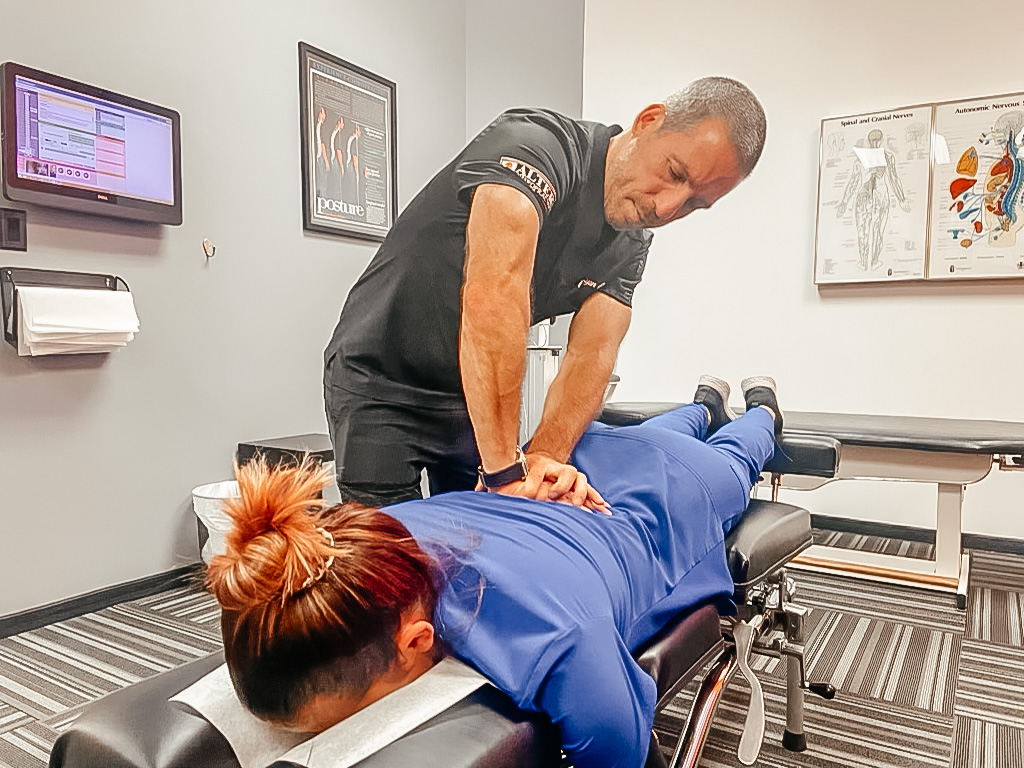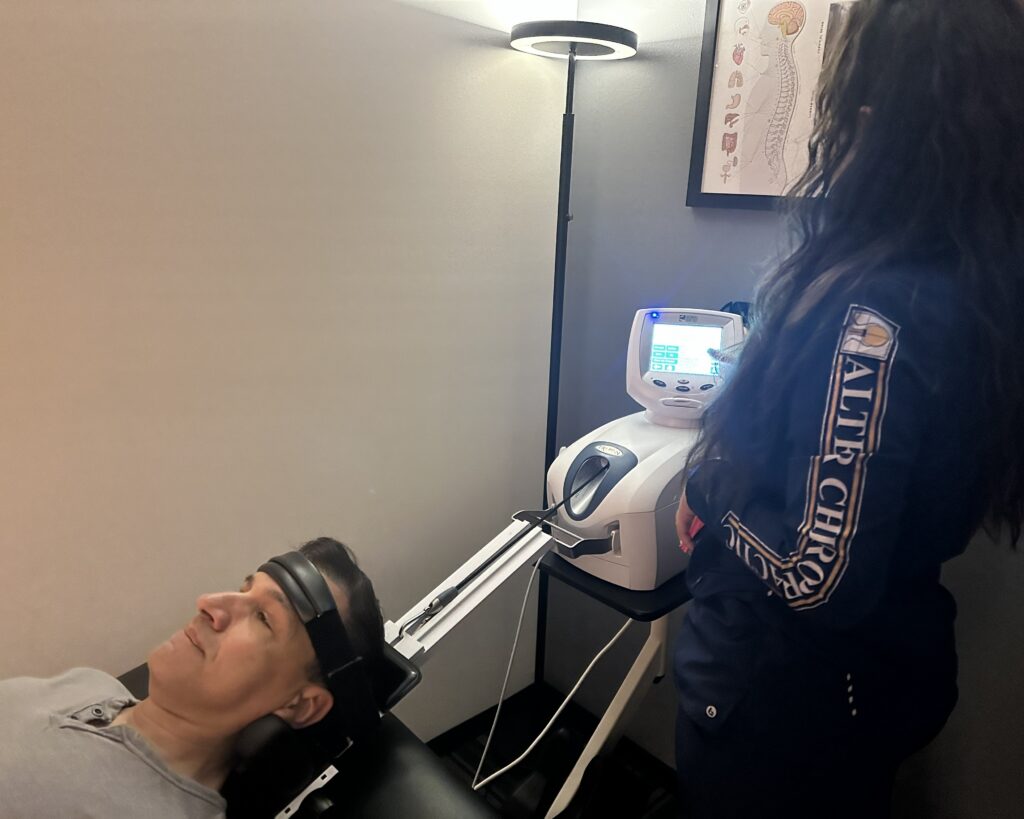

As a local chiropractor, I want to share some valuable insights for those of you dealing with back pain. Simple exercises can be incredibly effective in alleviating discomfort and promoting healing. By engaging in targeted movements, you can strengthen your back muscles and enhance your flexibility, two key components for maintaining a healthy spine.
Many of my patients are surprised at how easily they can integrate these exercises into their daily routines. By focusing on specific stretches and strengthening techniques, you can build a solid foundation for your spinal health. So, what exercises should you be incorporating to help keep that pain at bay? Let’s explore some options that are not only beneficial but also easy to perform at home. Remember, a proactive approach can make a significant difference in your overall well-being.
Understanding Back Pain and Its Causes
As a local chiropractor, I want to emphasize the importance of understanding back pain and its underlying causes to help you manage your discomfort effectively. Many people may not realize that back pain can arise from a variety of factors, such as poor posture, muscle strain, or even specific medical conditions.
For instance, you might notice that sitting for extended periods or lifting heavy objects incorrectly could be contributing to your pain. By identifying your unique triggers, you can take proactive measures to alleviate discomfort.
It’s also important to recognize that age plays a significant role in back health. As we age, our spines undergo natural changes that can lead to pain and discomfort. Additionally, stress and emotional factors can manifest physically, often showing up as tension or pain in the back.
By understanding these causes, you can make more informed choices about your daily activities and habits.
In my practice, I encourage patients to focus on their body mechanics and be mindful of how they move throughout the day. Simple changes in posture and movement can have a profound impact on your experience with back pain.
The Importance of Stretching
As a local chiropractor, I want to share with you the vital role that stretching plays in keeping your back healthy. Many people underestimate its importance, but regular stretching is a powerful tool for enhancing flexibility, relieving tension, and preventing injuries.
When you make stretching a part of your daily routine, you improve blood circulation to your muscles, which not only aids in recovery but also helps reduce stiffness. This increased flexibility enables your back to move more freely, making everyday activities much easier and more comfortable.
Moreover, it’s important to recognize that tightness in certain muscle groups can often lead to back pain. By focusing on areas such as the hamstrings, hip flexors, and shoulders, you can create a balanced muscular system that provides better support for your spine.
This holistic approach is a cornerstone of chiropractic care, as we emphasize the interconnectedness of your body.
As you begin to incorporate stretching into your life, I encourage you to listen to your body. Stretch only to the point of comfort, and remember that consistency is crucial. Aim to stretch daily or at least several times each week.
Even just a few minutes of stretching can significantly enhance how you feel and function throughout your day. Embracing this practice can lead to a healthier back and overall well-being, so let’s work together to make it a part of your wellness journey.
Cat-Cow Stretch
As a local chiropractor, I want to share with you the benefits of the Cat-Cow Stretch, which is an excellent exercise to help alleviate back pain and enhance your overall flexibility.
It’s crucial to focus on the correct technique to truly reap the rewards of this stretch.
Additionally, understanding how often and how long to incorporate it into your daily routine can significantly improve your results.
Let’s delve into these important aspects to elevate your wellness journey.
Benefits of Cat-Cow
As a local chiropractor, I want to share with you the benefits of a simple but powerful movement known as Cat-Cow. This exercise is particularly effective for alleviating back pain and improving your overall spinal health. By engaging in this gentle flow between two positions, you can enhance the flexibility of your spine, which is crucial for maintaining good posture and alignment.
When you perform Cat-Cow, you not only stretch your back muscles but also engage your core, helping to reduce tension and stiffness that can accumulate in your body. Regular practice of this movement promotes better blood circulation, which nourishes your spinal discs and supports the health of your spine.
Moreover, Cat-Cow is an excellent way to relieve stress and anxiety. The rhythmic nature of the exercise encourages relaxation, making it a perfect addition to your daily routine.
One of the best things about Cat-Cow is its convenience; you can do it anywhere, whether at home, in the office, or even at the park.
Incorporating Cat-Cow into your exercise regimen can significantly contribute to achieving a healthier and pain-free back. I encourage you to give it a try and experience the benefits for yourself!
Proper Technique Guidelines
As a local chiropractor dedicated to your well-being, I want to introduce you to the Cat-Cow stretch, an excellent technique for promoting spinal health and flexibility.
To perform this stretch effectively, begin by positioning yourself on your hands and knees. It’s crucial to ensure that your wrists are directly under your shoulders and your knees are aligned under your hips. This alignment helps maintain a neutral spine and prevents strain.
Start with your back flat and engage your core muscles. As you inhale deeply, gently arch your back, allowing your belly to drop towards the floor while lifting your head and tailbone—this is known as the “Cow” position. Feel the extension in your spine as you breathe in.
Then, as you exhale, transition into the “Cat” position by rounding your spine, tucking your chin towards your chest, and drawing your belly button in towards your spine.
Flow smoothly between these two positions, coordinating your movements with your breath. Pay close attention to the sensations in your spine, and remember to avoid any straining.
This mindful practice not only enhances flexibility in your spine but also alleviates tension and promotes overall comfort. Incorporating the Cat-Cow stretch into your routine can be a simple yet effective way to support your natural healing journey.
Frequency and Duration Recommendations
As a local chiropractor, I want to share with you the benefits of incorporating the Cat-Cow stretch into your wellness routine. This simple yet effective stretch can greatly enhance your spinal health and overall well-being.
I recommend practicing it regularly, aiming for at least three to five times a week to achieve the best results.
Each stretching session should last around 5 to 10 minutes, giving you ample time to connect with your body and the movements. Start off at a gentle pace, and as you become more familiar and comfortable with the stretch, gradually increase your repetitions.
It’s important to focus on your breath; inhale deeply as you arch your back and exhale fully as you round it.
Always listen to your body during this process. If you experience any discomfort, consider adjusting your movements or reducing how often you practice.
Consistency is crucial for reaping the benefits, so try to find a time that suits you best—whether that’s in the morning to start your day or in the evening to unwind after a long day.
Making this a regular habit can significantly contribute to your health and wellness journey.
Child’s Pose
As a chiropractor, I want to introduce you to Child’s Pose, a gentle yet effective stretch that can significantly alleviate back pain and promote relaxation. This pose is particularly beneficial for those who may be unfamiliar with chiropractic care and the importance of natural healing.
To perform Child’s Pose, begin by kneeling on the floor with your big toes touching and your knees spread apart. Sit back on your heels and slowly lower your torso between your thighs. Extend your arms forward on the mat, with your palms facing down, or choose to let them rest alongside your body.
While you breathe deeply in this position, focus on the gentle stretch of your back as it releases tension. Try to hold this pose for 30 seconds to one minute, allowing your body to fully relax. Many of my patients report a soothing sensation as their spine elongates and their shoulders drop, which can be incredibly beneficial for your overall well-being.
If you experience any discomfort, don’t hesitate to modify your position by using a cushion or blanket for additional support.
Regularly incorporating Child’s Pose into your daily routine can significantly reduce stress on your back, offering a restorative break amid your busy day. Remember, taking care of your body naturally through practices like this can complement the chiropractic care you receive and enhance your path to healing.
Pelvic Tilts
As a chiropractor, I often recommend pelvic tilts as a simple yet highly effective exercise to help alleviate back pain and improve spinal alignment. This exercise is accessible to everyone, regardless of your fitness level.
To perform pelvic tilts, start by lying on your back with your knees bent and feet flat on the floor. Keep your arms relaxed at your sides. Begin by gently engaging your abdominal muscles and pressing your lower back into the floor. Hold this position for a few seconds, then relax and return to your starting position.
I suggest repeating this movement for 10 to 15 repetitions. It’s essential to breathe steadily throughout the exercise and to avoid straining your neck or shoulders.
Pelvic tilts not only help to strengthen your core muscles but also enhance flexibility in your lower back. Incorporating pelvic tilts into your daily routine can significantly build a stronger foundation for your spine, ultimately reducing discomfort and promoting better posture.
Wall Sits
As a local chiropractor, I want to share with you a highly effective exercise that can help strengthen your back and legs: the wall sit. This exercise is particularly beneficial for those looking to improve their overall spinal health and stability.
To perform a wall sit, start by finding a sturdy wall. Stand with your back against it and slowly slide down until your knees are bent at a 90-degree angle. Ensure that your feet are flat on the floor and positioned shoulder-width apart. It’s important to keep your back pressed firmly against the wall throughout the exercise.
Aim to hold this position for 20 to 30 seconds, or for as long as you can maintain proper form. As your strength increases, you can gradually extend the duration of your hold.
Wall sits effectively target your quadriceps and glutes, but they also engage your core muscles, providing essential support for your spine. This is crucial for maintaining good posture and reducing the risk of back pain. Remember to breathe steadily and concentrate on your form while holding the position.
Incorporating wall sits into your regular exercise routine can significantly enhance your stability and contribute to better spinal health. As a chiropractor, I encourage you to explore exercises like this that promote natural healing and overall wellness.
Bridge Exercise
As a local chiropractor, I want to share with you the benefits of the bridge exercise, a simple yet effective movement that can significantly improve your spinal stability and overall well-being.
To begin, lie on your back with your knees bent and feet flat on the floor, positioned hip-width apart. Place your arms at your sides, palms facing down. It’s essential to engage your core muscles while pressing your feet firmly into the ground. This action allows you to lift your hips toward the ceiling, creating a straight line from your shoulders to your knees.
Hold this position for a few seconds while squeezing your glutes at the top. This contraction is vital for strengthening your back and glute muscles. After holding, lower your hips back down slowly and repeat the exercise for 10 to 15 repetitions.
As you grow more comfortable with this movement, consider increasing the hold time or trying variations, such as a single-leg bridge.
Incorporating the bridge exercise into your routine not only fortifies your glutes but also supports your lower back, promoting better posture and reducing the risk of discomfort or pain.
Seated Forward Bend
As a chiropractor, I often emphasize the importance of both strength and flexibility in maintaining a healthy spine and overall well-being. After strengthening your glutes with exercises like the bridge, it’s beneficial to incorporate stretches that promote relaxation and flexibility, such as the seated forward bend.
To perform the seated forward bend, start by sitting on the floor with your legs extended straight in front of you. Take a deep breath in, and as you exhale, hinge at your hips and lean forward gently. Aim to reach for your feet, shins, or any point along your legs that feels comfortable for you. It’s crucial to keep your spine long during this stretch—avoid rounding your back to ensure you’re not putting unnecessary strain on your spine.
If you find it challenging to reach your feet, don’t worry! Simply allow your arms to rest wherever they naturally fall. Holding this position for about 20 to 30 seconds while breathing deeply can help you experience a gentle stretch in your hamstrings and lower back. This stretch isn’t only great for improving flexibility but also plays a significant role in relieving tension in your back, which is something many of my patients often seek relief from.
Always remember to listen to your body—don’t push yourself too hard, and ease into the stretch at your own pace. Incorporating this pose into your routine a few times can significantly enhance your flexibility and promote relaxation, which is essential for overall spinal health.
As you engage in these practices, you’re taking great strides toward natural healing and maintaining a healthy, pain-free body.
Standing Hamstring Stretch
As a local chiropractor, I want to share with you one of the simplest yet most effective stretches to improve your flexibility and relieve tension in your lower back and legs: the standing hamstring stretch.
This stretch is particularly beneficial for those who may not be familiar with chiropractic care or natural healing methods.
To perform the standing hamstring stretch, begin by standing tall with your feet hip-width apart. Take a moment to align your posture, ensuring you have a straight back.
Slowly hinge at the hips while keeping your knees slightly bent and reach towards your toes. As you do this, you should feel a gentle pulling sensation in the back of your thighs. It’s important to maintain deep, steady breaths and hold this position for 15 to 30 seconds.
If you find it challenging to maintain your balance, feel free to place your hands on a sturdy surface, such as a chair or wall.
Remember, the goal is to keep your back straight throughout the movement—this will help prevent any strain and maximize the benefits of the stretch.
After holding the position, slowly return to a standing posture. I recommend repeating this stretch two to three times for optimal results.
Incorporating this stretch into your daily routine can significantly help alleviate discomfort and improve your overall mobility.
As a chiropractor, I believe that simple practices like this stretch can play a crucial role in keeping your back healthy and enhancing your overall well-being.
Incorporating Movement Into Daily Life
As a local chiropractor, I want to share some valuable insights on how you can incorporate movement into your daily life to enhance your overall well-being. Simple adjustments to your routine can significantly complement the benefits of stretches such as the standing hamstring stretch and help maintain your spinal health.
One effective approach is to avoid prolonged periods of sitting. I recommend standing up and walking around every hour to stimulate circulation and reduce tension in your muscles. Opting for the stairs instead of the elevator is another great way to engage your body and strengthen your legs.
Additionally, consider parking a bit farther away from your destination; this small change can add more steps to your day without requiring much extra time.
You can also integrate movement during everyday activities. For instance, while enjoying your favorite TV show, try incorporating light exercises like leg lifts or seated twists to keep your body active.
If you work at a desk, using a standing desk can promote better posture and reduce strain on your spine throughout the day. Even routine chores, such as sweeping or gardening, can provide opportunities for movement and keep your body engaged.
Conclusion
As a local chiropractor, I want to emphasize the importance of incorporating simple exercises into your daily routine to help prevent back pain and promote spinal health. These exercises, such as pelvic tilts, bridges, and various stretches, are not just beneficial; they are essential for strengthening your core and enhancing flexibility.
Many of my patients are unaware of how crucial consistent movement is for maintaining a healthy back. By dedicating just a few moments each day to these exercises, you can significantly improve your spinal health and reduce the likelihood of experiencing discomfort.
It’s important to remember that staying active is a key component of your overall well-being. By making these exercises a regular part of your life, you’ll not only find relief from pain but also enjoy a more vibrant, pain-free existence. Let’s work together to keep your back healthy and strong!