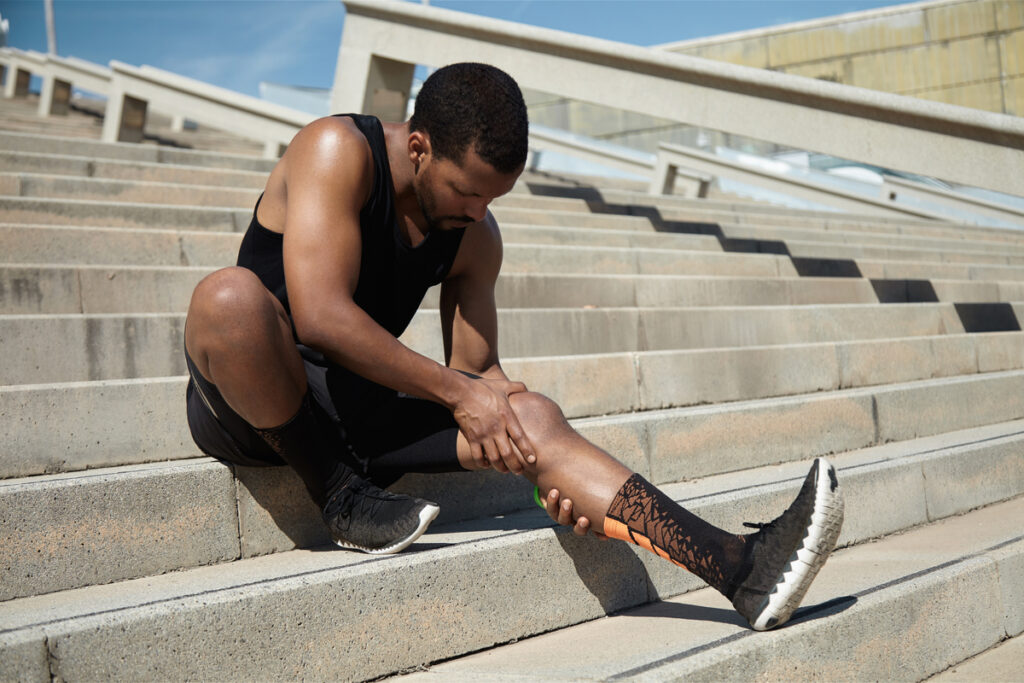
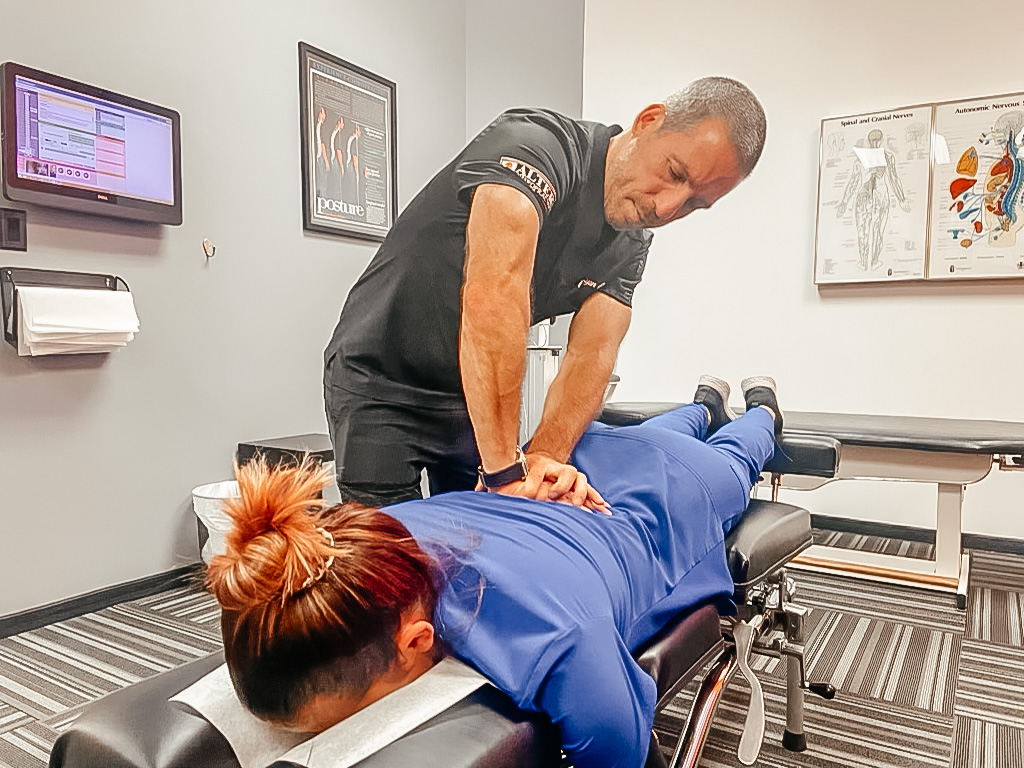
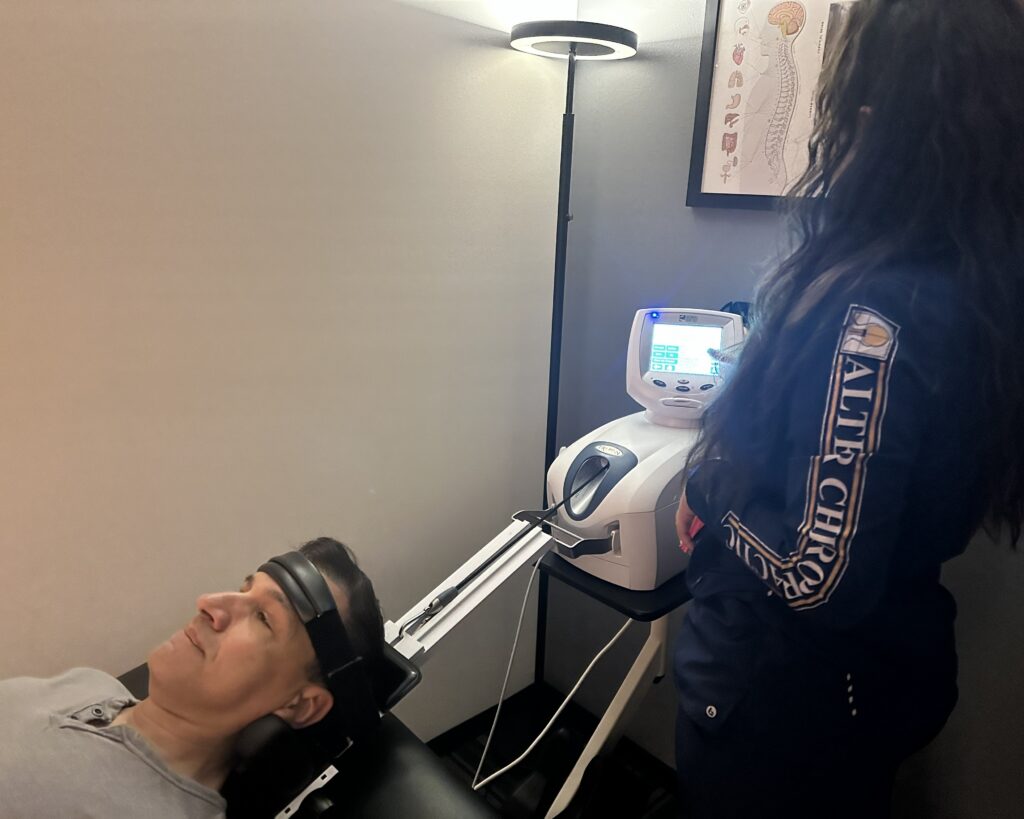
As a local chiropractor, I often hear patients ask how they can speed up their recovery from sports injuries. One powerful approach is through chiropractic adjustments, which can significantly support your healing journey. By improving your body’s alignment and enhancing blood flow, these adjustments not only help reduce inflammation but also alleviate pain, allowing you to feel better faster.
But chiropractic care is just one piece of the puzzle. There are additional strategies you can incorporate to maximize your recovery. For instance, proper nutrition, hydration, and rest are vital components that work hand-in-hand with chiropractic adjustments to promote healing. Stretching and strengthening exercises tailored to your injury can also help restore function and prevent future issues.
In my practice, I strive to educate my patients about these natural healing methods and how they can work together to enhance your overall recovery process. Let’s take a closer look at how you can harness these strategies to unlock your full healing potential.
Understanding the Healing Process
As a local chiropractor, I want to help you understand the healing process that occurs after a sports injury, which is key to achieving a swift recovery.
It’s important to be aware of the three main phases of healing: inflammation, tissue repair, and remodeling.
The first phase, inflammation, is your body’s natural response to injury. When you sustain an injury, your body sends healing cells to the affected area, which may result in swelling and pain. While these symptoms can be uncomfortable, they’re part of the healing process and signal that your body is working hard to repair itself.
Following inflammation, we enter the tissue repair phase. During this time, your body focuses on rebuilding the damaged tissues, which can take anywhere from several days to weeks, depending on how severe the injury is.
This is where chiropractic care can play a vital role by promoting proper alignment and enhancing blood flow, which supports tissue healing. It’s essential to rest during this phase so your body can do its important work.
Finally, we reach the remodeling phase, where the focus shifts to strengthening the newly formed tissue. You’ll gradually regain function and mobility, and this is where gentle chiropractic adjustments and specific exercises can help restore your strength and flexibility.
Throughout all these stages, it’s crucial to listen to your body and avoid overexertion, as pushing yourself too hard can impede the healing process.
The Role of Physical Therapy in Recovery
As a local chiropractor, I want to emphasize that chiropractic care is just one important aspect of your recovery journey. Physical therapy also plays a crucial role in helping you heal after a sports injury.
By integrating chiropractic adjustments with a personalized physical therapy program, you can effectively regain strength, enhance flexibility, and restore your overall function.
During your recovery, your physical therapist will assess your individual needs and craft a tailored plan that aligns with your specific recovery goals. This plan typically includes targeted exercises designed not only to promote healing but also to help prevent future injuries, ensuring you stay active and healthy.
In addition to exercises, your therapist may use manual therapy techniques to alleviate pain and improve your range of motion. They’ll also educate you on proper movement patterns, which can enhance your athletic performance while minimizing strain on your body.
Nutrition Strategies for Faster Healing
As a local chiropractor, I want to emphasize the importance of nutrition in your recovery from sports injuries.
Many people may not realize that what you eat can significantly influence your healing process. By incorporating anti-inflammatory foods into your diet, you can help reduce swelling and pain.
Additionally, it’s crucial to ensure you’re consuming enough protein to support muscle repair and recovery. Staying well-hydrated is also vital, as it aids in the healing of tissues and overall recovery.
Let’s discuss these nutrition strategies further to help you bounce back from your injury more effectively and naturally.
Anti-Inflammatory Foods
As a local chiropractor, I often see patients who are navigating the challenges of recovery from sports injuries. One key aspect I emphasize is the importance of nutrition, particularly the incorporation of anti-inflammatory foods into your diet. These foods can significantly enhance the healing process.
For instance, foods high in omega-3 fatty acids, such as salmon and walnuts, are excellent for reducing inflammation. I also recommend including plenty of leafy greens like spinach and kale, which are rich in antioxidants that support your body’s recovery efforts. Berries, especially blueberries, are another fantastic option as they’re packed with essential vitamins and have anti-inflammatory properties.
Additionally, consider adding spices like turmeric and ginger to your meals. These spices aren’t just flavorful; they’re also powerful allies in fighting inflammation.
Along with these dietary changes, it’s crucial to stay well-hydrated. Drinking plenty of water and herbal teas can help flush out toxins and keep your body functioning optimally.
By focusing on these anti-inflammatory foods, you’ll not only aid your body’s healing process but also promote overall well-being during your recovery journey.
Protein for Muscle Repair
As a local chiropractor, I’d like to emphasize the importance of nutrition, particularly protein, in your recovery from sports injuries. When you’re healing, your body requires adequate protein to support muscle repair and overall recovery. Protein serves as the essential building blocks—amino acids—that your body uses to mend damaged tissues.
I recommend incorporating high-quality protein sources into your diet, such as lean meats, fish, eggs, dairy, legumes, and nuts. Consuming protein shortly after your injury and consistently throughout your recovery can significantly enhance muscle synthesis and repair.
For optimal healing, aim for about 1.2 to 2.0 grams of protein per kilogram of your body weight each day. This amount may vary based on your activity level and the severity of your injury. Additionally, spreading your protein intake evenly across your meals can further maximize its benefits.
By prioritizing protein in your diet, you’ll be actively supporting your body’s natural healing process. This approach, combined with chiropractic care, can help you recover more effectively and return to your sport even stronger.
Hydration and Recovery
As a local chiropractor, I want to emphasize the crucial role that hydration plays in your recovery from sports injuries. Just as important as getting enough protein, staying properly hydrated aids your body in healing tissues, flushing out toxins, and achieving optimal performance during recovery.
Here are four effective hydration strategies to enhance your healing process:
- Drink Water: Strive for a daily intake of at least 8-10 glasses, and remember to adjust this based on how active you are.
- Electrolyte Drinks: Incorporate electrolyte-rich beverages to help replace essential minerals lost during physical activity, especially after workouts.
- Consume Hydrating Foods: Include fruits and vegetables in your diet, such as watermelon and cucumbers, which are excellent sources of hydration due to their high water content.
- Monitor Urine Color: Pay attention to the color of your urine; a light yellow hue typically signifies that you’re well-hydrated.
By focusing on these hydration strategies, you can support your body’s natural healing processes and improve your recovery journey.
Innovative Recovery Techniques
As a local chiropractor, I understand that recovering from sports injuries can be a challenging process. That’s why I want to share some innovative recovery techniques that blend science and natural healing, which can help you get back to your favorite activities more effectively.
One method that’s gaining popularity is cryotherapy. This involves exposing your body to extremely cold temperatures for a short duration, which can significantly reduce inflammation and speed up the healing process. Many athletes have found great success with this technique.
Another beneficial approach is electrical stimulation therapy. This treatment stimulates muscle contractions, enhances circulation, and promotes faster recovery. It’s a safe and effective way to support your healing journey.
You might also consider infrared therapy, which works by penetrating deeper layers of tissue. This can improve blood flow and alleviate pain, making it an excellent option for recovery.
Additionally, advanced compression garments can be very helpful. They work by reducing swelling and enhancing recovery through improved lymphatic drainage.
Another innovative option is the use of 3D-printed orthotics. These are custom-made to fit your specific injury, providing the support you need to heal effectively.
By integrating these natural recovery techniques into your rehabilitation plan, you can enhance your healing process and return to your sport sooner.
If you have any questions about these methods or how chiropractic care can support your recovery, feel free to reach out!
Mental Resilience and Injury Recovery
As your local chiropractor, I want to emphasize the significant role your mindset plays in your recovery from an injury.
When faced with an injury, the way you think can greatly influence the healing process. By incorporating positive thinking techniques and visualization practices, you can enhance your healing journey.
Let’s delve into how these mental tools can empower you to recover more effectively and come back even stronger.
Embracing a holistic approach to your health, including both physical and mental aspects, is key to achieving optimal results in your recovery.
Positive Mindset Techniques
As a local chiropractor, I understand that injuries can feel overwhelming and physically daunting. However, embracing a positive mindset can significantly enhance your recovery process. By building mental resilience, you not only navigate the challenges of healing but also foster a quicker recovery.
Here are four effective techniques to help you cultivate a positive mindset during your healing journey:
- Set Small Goals: It’s important to break down your recovery into achievable milestones. Celebrating these small victories can keep you motivated and focused on your progress.
- Practice Gratitude: Shift your focus to what your body is still capable of doing, rather than what it can’t do. Acknowledging your strengths can bring a sense of positivity and resilience.
- Surround Yourself with Positivity: Engage with supportive friends, family, or teammates who uplift and inspire you. Positive relationships can have a profound impact on your mindset and recovery.
- Maintain a Routine: Establish a daily schedule that includes rehabilitation exercises and relaxation techniques. A consistent routine can provide you with a sense of normalcy and stability, which is crucial for healing.
Visualization for Healing
As a local chiropractor, I want to share how visualization can significantly enhance your healing journey. By integrating mental imagery into your recovery process, you can improve your resilience and expedite your healing.
Imagine your injury healing—visualize each step of the process, from the tissue repairing to your muscles strengthening and ultimately regaining full function. This mental practice not only alleviates anxiety but also solidifies your commitment to recovery.
When you envision yourself engaging in your favorite activities or sports without pain, you’re training your brain to align with that positive reality. Research indicates that individuals, including athletes, who utilize visualization techniques often experience quicker recovery times.
I encourage you to dedicate a few moments each day to this powerful practice. By doing so, you’ll witness the remarkable collaboration between your mind and body as you work towards overcoming your injury.
Embracing this holistic approach, alongside chiropractic care, can lead to a more natural and effective healing process.
Preventing Future Injuries Through Adjustments
As a local chiropractor dedicated to your health and well-being, I want to share some important adjustments you can make to prevent future injuries. By being proactive and attentive to your body, you can significantly lower your risk of injury.
Here are four essential adjustments to consider:
- Prioritize Warm-Ups: Before engaging in any physical activity, it’s crucial to properly warm up. Incorporating dynamic stretching and mobility exercises can help prepare your muscles and joints, setting a solid foundation for your workout.
- Tune into Your Body: Your body communicates with you, so it’s important to listen to what it’s saying. If you experience any discomfort or fatigue, don’t ignore it. Rest is vital; pushing through pain can lead to more serious issues down the road.
- Diversify Your Exercise Routine: To avoid overuse injuries, consider cross-training. Engaging in a variety of exercises can help strengthen different muscle groups and promote overall balance in your physical health.
- Master Your Form: Proper technique is key to preventing injuries. Ensuring that you use the correct form in all your movements can minimize strain on your body and help you avoid injuries caused by poor habits.
By making these adjustments, you can take significant steps toward protecting your body and enhancing your overall health.
If you have any questions or would like personalized advice, feel free to reach out—I’m here to help you on your journey to wellness!
Conclusion
As a local chiropractor, I want to share with you how you can speed up your sports injury recovery through a holistic approach. Chiropractic adjustments play a crucial role in this process by promoting proper alignment and function of your musculoskeletal system, which can enhance your body’s natural healing abilities.
In addition to adjustments, personalized rehabilitation programs tailored to your unique needs are essential for recovery. We focus on innovative recovery techniques that can help reduce pain and improve mobility, allowing you to return to your peak performance more quickly.
It’s also important to consider the role of nutrition and mental resilience in your healing journey. Eating a balanced diet rich in nutrients can support your recovery, while maintaining a positive mindset can help you stay motivated through the process.
By incorporating these strategies into your recovery plan, you not only improve your healing time but also reduce the risk of future injuries. My goal is to help you stay at the top of your game, so let’s work together to create the best path to your recovery!