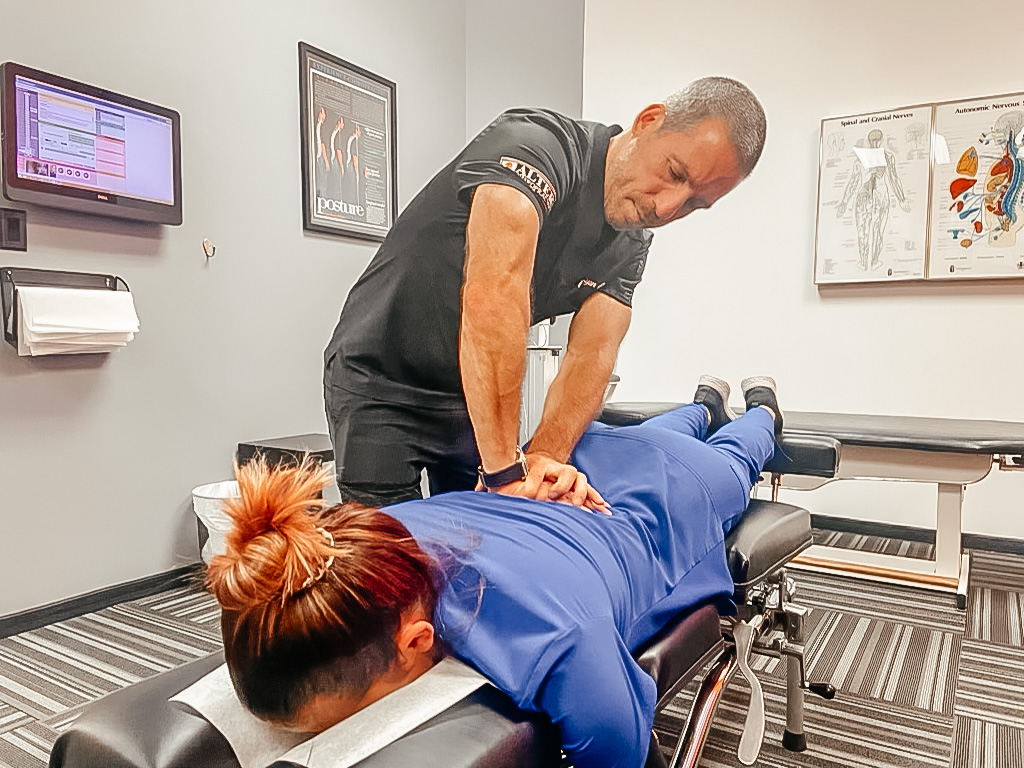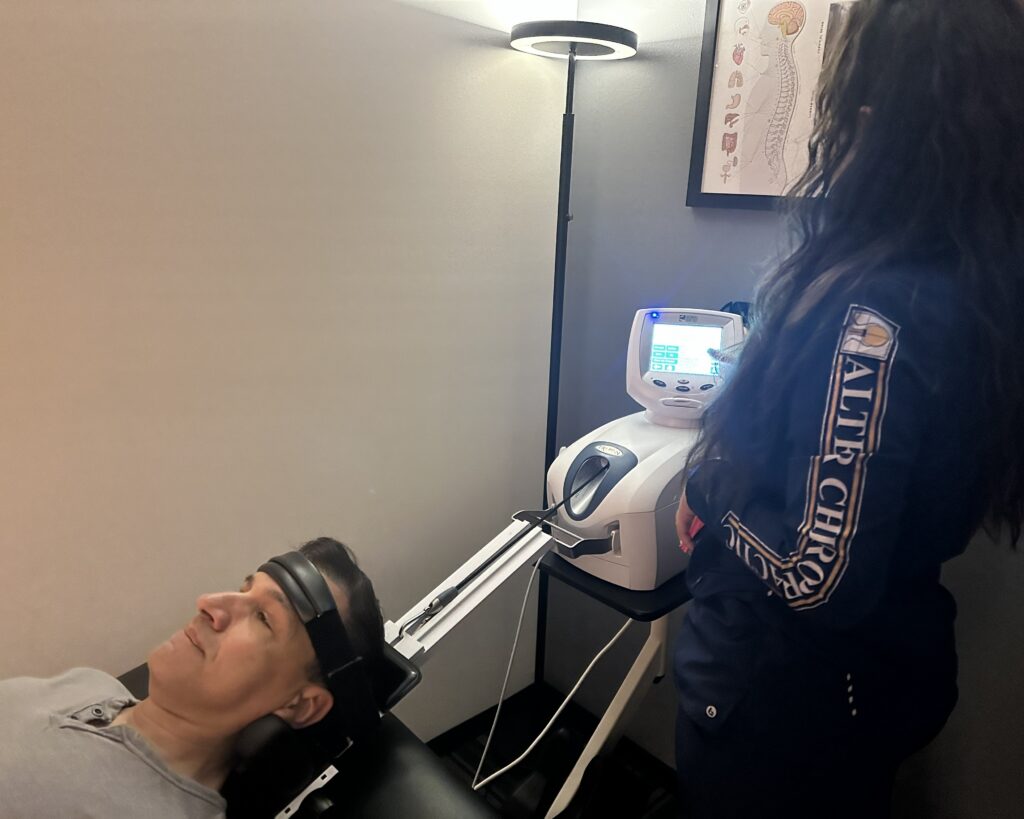

If you’ve ever experienced the debilitating effects of migraines or neck pain, you understand how they can disrupt your daily life. Fortunately, there are effective, natural strategies to help alleviate these discomforts, and chiropractic care is at the forefront of promoting relief and well-being. By focusing on your hydration, posture, and stress management, you can start to see significant improvements in your symptoms.
But that’s just the beginning! Here are some essential tips to enhance your comfort and promote overall wellness:
- Stay Hydrated: Dehydration can be a major trigger for migraines. Aim to drink plenty of water throughout the day to keep your body well-hydrated.
- Mind Your Posture: Poor posture can lead to tension in your neck and spine, potentially triggering migraines. Be mindful of how you sit and stand, especially when working at a desk or using your phone. Regular chiropractic adjustments can help correct postural imbalances.
- Manage Stress Effectively: Stress is a common trigger for migraines. Incorporate relaxation techniques such as deep breathing, meditation, or yoga into your daily routine. Chiropractic care also offers stress relief through spinal adjustments that promote relaxation.
- Regular Chiropractic Visits: Consistent chiropractic care can help address the root causes of neck pain and migraines. By aligning the spine and improving nervous system function, chiropractic adjustments can reduce pain and enhance overall health.
- Exercise Regularly: Gentle exercise can improve blood circulation and reduce tension in the neck and shoulders. Activities such as walking, swimming, or yoga can be beneficial, and your chiropractor can provide guidance on exercises tailored to your needs.
- Create a Sleep-Friendly Environment: Quality sleep is crucial for recovery and pain management. Ensure your sleeping environment is comfortable, and maintain a regular sleep schedule to promote better rest.
- Listen to Your Body: Pay attention to your body’s signals. If you notice certain activities or foods trigger your migraines or neck pain, take proactive steps to avoid them.
By implementing these tips and incorporating chiropractic care into your wellness routine, you can take significant strides toward achieving optimal health and finding relief from migraines and neck pain. Remember, your chiropractor is here to support you on your journey to better health!
Stay Hydrated
Staying hydrated is a key factor not only for your overall health but also for managing migraines effectively. When your body lacks sufficient water, it can lead to dehydration, which is known to trigger headaches and intensify migraine symptoms. A simple yet effective way to combat this is by making it a routine to carry a water bottle with you wherever you go.
Aim for at least eight 8-ounce glasses of water each day; however, always listen to your body, as you may need more on certain days. If plain water doesn’t excite you, consider enhancing it with slices of fruits or fresh herbs to make it more enjoyable. Herbal teas can also be a great way to boost your hydration levels.
Be mindful of the signs of dehydration, such as a dry mouth or feelings of fatigue, and take action quickly by sipping some water. In addition to staying hydrated, it’s wise to limit your intake of caffeine and alcohol, as both can contribute to dehydration.
By prioritizing hydration, you’re not just taking care of your body but also supporting your overall wellness, which can help reduce the frequency and intensity of migraines. Remember, maintaining proper hydration is a simple yet powerful step towards achieving optimal health.
And when it comes to pain relief and overall wellness, consider incorporating chiropractic care into your routine. Regular chiropractic adjustments can help improve your body’s function and may even aid in managing migraine symptoms naturally.
Practice Good Posture
Proper hydration is essential for overall wellness, but it’s equally vital to consider how your posture can impact migraine management. Slouching or hunching can place unnecessary strain on your neck and spine, potentially triggering or worsening migraines. As a chiropractor, I encourage you to make a conscious effort to sit and stand tall. Keep your shoulders relaxed and ensure your head is aligned with your spine. This simple adjustment can make a significant difference in how you feel.
If you spend a lot of time at a desk, consider adjusting your chair and monitor height to support a neutral spine position. Your workspace should promote good posture, reducing stress on your body. Additionally, remember to take regular breaks to reset your posture and give your body a chance to relax.
When using your phone or other devices, aim to hold them at eye level. This helps prevent tilting your head forward, which can contribute to discomfort and migraines.
Practicing good posture not only alleviates neck pain but also helps decrease the frequency and intensity of migraines. By prioritizing your spinal health, you can enjoy a more comfortable daily life.
Chiropractic care is an excellent choice for achieving optimal health, as it focuses on natural healing and wellness. Regular chiropractic adjustments can help maintain proper alignment, enhancing your overall well-being.
Incorporate Stretching and Exercise
Incorporating stretching and exercise into your daily routine can significantly alleviate migraine symptoms and contribute to your overall well-being. As a chiropractor, I often emphasize the importance of maintaining a healthy spine and muscle balance, which can be key to managing pain naturally.
Regular stretching not only helps relieve tension in your muscles but also promotes flexibility and improves your posture, both of which play a crucial role in spinal health. Simple stretches, like neck rolls and shoulder shrugs, can be easily integrated into your day and can help reduce the frequency and intensity of migraines.
Effective exercise routines, tailored to your individual capabilities, can also enhance your overall health and reduce stress, which is a common migraine trigger. Activities like walking, swimming, or yoga can improve circulation, strengthen muscles, and promote relaxation. As you engage in these activities, you may notice a decrease in tension throughout your body, leading to fewer migraine episodes.
Remember, chiropractic care is an excellent way to address the root causes of your pain. By ensuring that your spine is properly aligned and your nervous system is functioning optimally, you can experience relief and improved health naturally.
Benefits of Stretching
Managing migraines can often feel daunting, but as a chiropractor, I want to share some valuable insights on how stretching and exercise can help you find significant relief. Stretching is a powerful tool that can alleviate tension in your neck and shoulders, which are common areas affected by migraines. By improving your flexibility, you can reduce muscle tightness that may trigger headaches.
Incorporating regular stretching into your routine not only encourages better blood flow but also promotes relaxation, helping to ease pain. It’s essential to remember that good posture plays a crucial role in migraine management. Poor posture can lead to unnecessary strain on your neck and upper back, which can contribute to migraine onset.
Focus on simple stretches that target these areas, and you’ll likely experience immediate relief, making it easier to cope with discomfort.
Here are some easy stretches to try:
- Neck Stretch: Gently tilt your head to one side, bringing your ear toward your shoulder. Hold for 15-30 seconds and switch sides. This helps relieve tightness in the neck muscles.
- Shoulder Rolls: Roll your shoulders forward and then backward in a circular motion. Repeat several times to release tension in the shoulders.
- Chest Opener: Stand tall and clasp your hands behind your back. Gently pull your shoulders back and down while opening your chest. Hold for 15-30 seconds to counteract poor posture.
- Upper Back Stretch: Interlace your fingers and stretch your arms forward, rounding your upper back. Hold for 15-30 seconds to help release tension.
By integrating these stretches into your daily routine, you empower yourself to take control of your migraine management naturally.
Effective Exercise Routines
To effectively manage migraines, incorporating chiropractic care alongside a well-rounded exercise routine can significantly enhance your overall well-being. Here are three simple yet effective exercises that can help relieve tension and promote a healthier spine:
1. Neck Stretches: Gently tilt your head from side to side, holding each stretch for about 15 seconds. This simple exercise can help alleviate stiffness and tension in your neck, which is often a contributing factor to migraines.
Regular chiropractic adjustments can also keep your spine aligned and reduce the frequency of these tension headaches.
2. Shoulder Rolls: Roll your shoulders forward and backward in a circular motion for about 30 seconds. This exercise not only releases tightness in your shoulders but also enhances blood flow, which is crucial for reducing migraine triggers.
A chiropractor can provide additional techniques to ensure your shoulder and neck muscles are functioning optimally.
3. Walking: A brisk 20-minute walk is a fantastic way to boost your endorphins and reduce stress, both of which are beneficial for migraine relief.
Walking encourages proper spinal alignment and improves your overall posture. Regular chiropractic check-ups can help maintain your spinal health, making physical activity feel easier and more enjoyable.
Incorporating these exercises into your daily routine can lead to greater relief from migraines and neck pain.
Remember, chiropractic care not only addresses the symptoms but also targets the root causes of discomfort, helping you achieve optimal health naturally.
Always consult with your chiropractor to tailor a wellness plan that works best for you!
Manage Stress Effectively
Managing stress is vital for overall wellness and can significantly aid in migraine relief. One effective way to combat stress is through mindfulness techniques. By practicing mindfulness, you can enhance your ability to stay present, which helps to alleviate anxiety and makes it easier to navigate everyday pressures.
Additionally, establishing healthy boundaries in your life can protect your mental well-being and reduce stress levels. It’s important to prioritize your own needs and communicate them clearly to others.
As a chiropractor, I also recommend incorporating regular spinal adjustments into your routine. Chiropractic care not only addresses pain but also promotes relaxation and increases your body’s ability to cope with stress.
Here are some helpful tips to manage stress naturally:
- Stay Active: Regular physical activity, such as walking or stretching, can help release endorphins, which are natural mood lifters.
- Deep Breathing: Take a few moments each day to practice deep breathing exercises. This can calm your mind and help lower stress levels.
- Maintain Good Posture: Proper spinal alignment can reduce tension in your muscles and lead to a more relaxed state.
- Stay Hydrated: Drinking plenty of water can help keep your body functioning optimally and stave off fatigue.
- Connect with Nature: Spend time outdoors when possible. Nature has a powerful calming effect that can help mitigate stress.
By using these strategies and incorporating chiropractic care into your wellness routine, you can effectively manage stress and pave the way for a healthier, more vibrant life.
Practice Mindfulness Techniques
Mindfulness techniques are excellent tools for managing stress, which can often trigger migraines. By incorporating these practices into your daily routine, you can foster a sense of calm and awareness, ultimately supporting your overall health and wellness.
Here are three effective mindfulness techniques to help you on your journey:
- Deep Breathing: Find a quiet spot, close your eyes, and take slow, deep breaths. As you breathe in deeply, feel your chest rise, and as you exhale, imagine releasing all tension from your body. This simple practice can help alleviate stress and promote relaxation, creating a perfect environment for your nervous system to function optimally.
- Body Scan: Lie down comfortably and mentally check in with each part of your body, starting from your toes and moving up to your head. Notice any tightness or discomfort, and consciously relax those areas. This technique not only increases your body awareness but also helps identify areas that may benefit from chiropractic care, enhancing your body’s natural healing process.
- Guided Visualization: Picture a peaceful scene, like a calm beach or a lush forest, in your mind. Visualize the details vividly and immerse yourself in this tranquil environment. This practice can help reduce stress levels, which is crucial for maintaining spinal health and overall wellness.
Incorporating these mindfulness practices into your daily routine can effectively reduce stress, which may help lessen the frequency of migraines.
Establish Healthy Boundaries
Establishing healthy boundaries is crucial for managing stress effectively, especially if you’re prone to migraines. As a chiropractor, I want to emphasize how important it’s to recognize your limits and communicate them clearly to those around you. This means feeling empowered to say no to extra work or carving out personal time for yourself. Prioritizing your well-being is vital for your overall health.
Start by identifying situations that drain your energy or elevate your stress levels, and don’t hesitate to distance yourself from those triggers. Surround yourself with supportive people who respect your boundaries; this can create a nurturing environment that allows you to recharge.
Remember, it’s perfectly okay to prioritize your health over obligations. By taking these steps, you not only reduce stress but also lay a stronger foundation for managing migraines and enhancing your overall wellness.
In addition to setting boundaries, consider incorporating chiropractic care into your wellness routine. Regular chiropractic adjustments can help alleviate tension in your spine and improve your body’s overall function, leading to reduced stress and pain relief.
Create a Relaxing Sleep Environment
Creating a calming sleep environment is vital for overall well-being and can significantly aid in managing migraines. When you prioritize comfort and tranquility, you enhance your chances for restorative sleep, which is crucial in migraine prevention and overall health.
Here are three essential elements to consider for a better sleep environment:
- Darkness: Consider using blackout curtains or an eye mask to completely block out any light. This simple step signals to your body that it’s time to rest and can help promote deeper sleep, which is essential for healing and recovery.
- Quiet: Reducing noise is key to creating a peaceful atmosphere. Earplugs or a white noise machine can help drown out distracting sounds, allowing your mind to unwind. A serene environment not only fosters better sleep but also supports your body’s natural healing processes.
- Comfortable Bedding: Investing in a supportive mattress and soft pillows can make a world of difference. The right bedding helps alleviate tension, ensuring you wake up refreshed and ready to take on the day. Proper spinal alignment during sleep is crucial, and chiropractic care can help address any underlying issues that might be affecting your sleep quality.
By focusing on these elements, you can create a restful space that promotes healing and enhances your overall health.
Utilize Heat and Cold Therapy
When you experience a migraine, incorporating heat and cold therapy can offer significant relief while supporting your overall wellness. Begin by applying a cold pack or ice wrapped in a cloth to your forehead for about 15 minutes. This method can help numb the pain and reduce inflammation. The cold sensation works by constricting blood vessels, which can ease that throbbing feeling often associated with migraines.
In addition to cold therapy, heat can also play a crucial role, especially if you have neck pain that frequently accompanies migraines. Utilizing a warm compress or a heating pad on your neck and shoulders can help relax tight muscles, improve blood flow, and alleviate discomfort.
If you’re unsure which method suits you best, consider alternating between heat and cold therapy. It’s important to listen to your body—some people find more relief from one than the other. Remember, discovering what works for you can greatly enhance your ability to manage migraines and neck pain effectively.
Moreover, chiropractic care is an excellent choice for addressing the root causes of migraines and neck pain. Regular adjustments can help align your spine, reduce tension, and improve overall function, leading to fewer migraines and a better quality of life.
By focusing on spinal health, you can promote natural healing and achieve optimal wellness without relying on medications or invasive procedures. Incorporate these therapies alongside regular chiropractic visits, and you’ll be well on your way to a healthier, pain-free life.
Don’t hesitate to reach out to your chiropractor for personalized advice and support tailored to your specific needs.
Explore Dietary Modifications
Dietary modifications can significantly impact your overall health and well-being, especially when it comes to managing migraines. As a chiropractor, I believe in a holistic approach to wellness, and understanding the role of nutrition is essential.
Keeping a food diary can be a great tool to help you recognize specific food triggers that may be contributing to your migraines. Here are three dietary changes you can consider to help alleviate migraine symptoms:
- Stay Hydrated: Proper hydration is vital for your body to function optimally and can help prevent dehydration, which is a common migraine trigger. Aim to drink at least eight 8-ounce glasses of water daily. Staying hydrated not only supports your overall health but also complements the natural healing benefits of chiropractic care.
- Limit Processed Foods: Processed foods often contain preservatives and additives that can exacerbate migraine symptoms. By choosing fresh, whole ingredients—like fruits, vegetables, and lean proteins—you can nourish your body and support your spinal health. Eating a clean diet can work hand-in-hand with chiropractic adjustments to enhance your overall wellness.
- Incorporate Magnesium-Rich Foods: Magnesium is a mineral that plays a key role in muscle and nerve function, and it may help reduce the frequency of migraines. Foods rich in magnesium, such as spinach, almonds, and avocados, can be easily incorporated into your meals.
These foods not only support your body’s natural healing processes but also align with a lifestyle that promotes optimal health through chiropractic care.
Conclusion
As a local chiropractor dedicated to your health and wellness, I want to share seven effective tips for alleviating migraines and neck pain naturally. By embracing these strategies, you can take proactive steps toward achieving optimal health without the need for medications or surgeries.
- Stay Hydrated: Drinking plenty of water is essential for keeping your body functioning well. Dehydration can trigger migraines and contribute to neck pain, so aim for at least eight glasses of water a day.
- Maintain Good Posture: Poor posture can strain your neck and lead to discomfort. Focus on keeping your head aligned over your shoulders and your back straight, especially when sitting for long periods. Adjust your workstation ergonomically to support good posture.
- Incorporate Regular Exercise: Gentle exercises like walking, swimming, or yoga can help relieve tension in the neck and reduce the frequency of migraines. Regular physical activity promotes overall health and well-being, so find an activity you enjoy and stick with it.
- Manage Stress: Chronic stress can exacerbate both migraines and neck pain. Practice relaxation techniques such as deep breathing, meditation, or mindfulness to help manage stress levels.
- Create a Calming Sleep Environment: Quality sleep is vital for recovery. Ensure your sleep space is dark, quiet, and cool. A supportive pillow and mattress can also make a significant difference in your neck health.
- Utilize Heat or Cold Therapy: Applying heat or cold to the neck area can provide immediate relief. Heat helps relax tight muscles, while cold can reduce inflammation. Experiment with both to see which works best for you.
- Explore Dietary Modifications: Certain foods can trigger migraines in some individuals. Keeping a food diary can help you identify any potential culprits. Focus on a balanced diet rich in fruits, vegetables, whole grains, and lean proteins to support overall wellness.
By incorporating these strategies into your daily routine, you can effectively manage migraines and neck pain. Remember, chiropractic care is a natural and effective option for pain relief and maintaining a healthy spine. Consider scheduling an appointment to explore personalized treatment options that can help you achieve lasting wellness. Embrace these tips, and take the first steps toward a healthier, more vibrant life today!