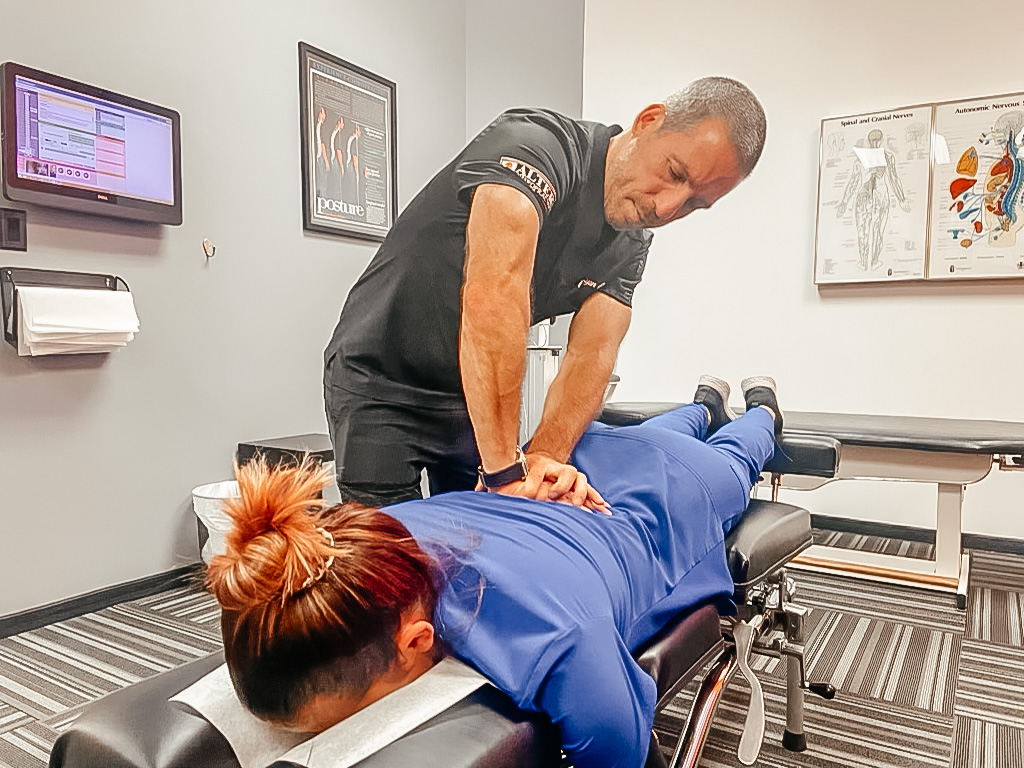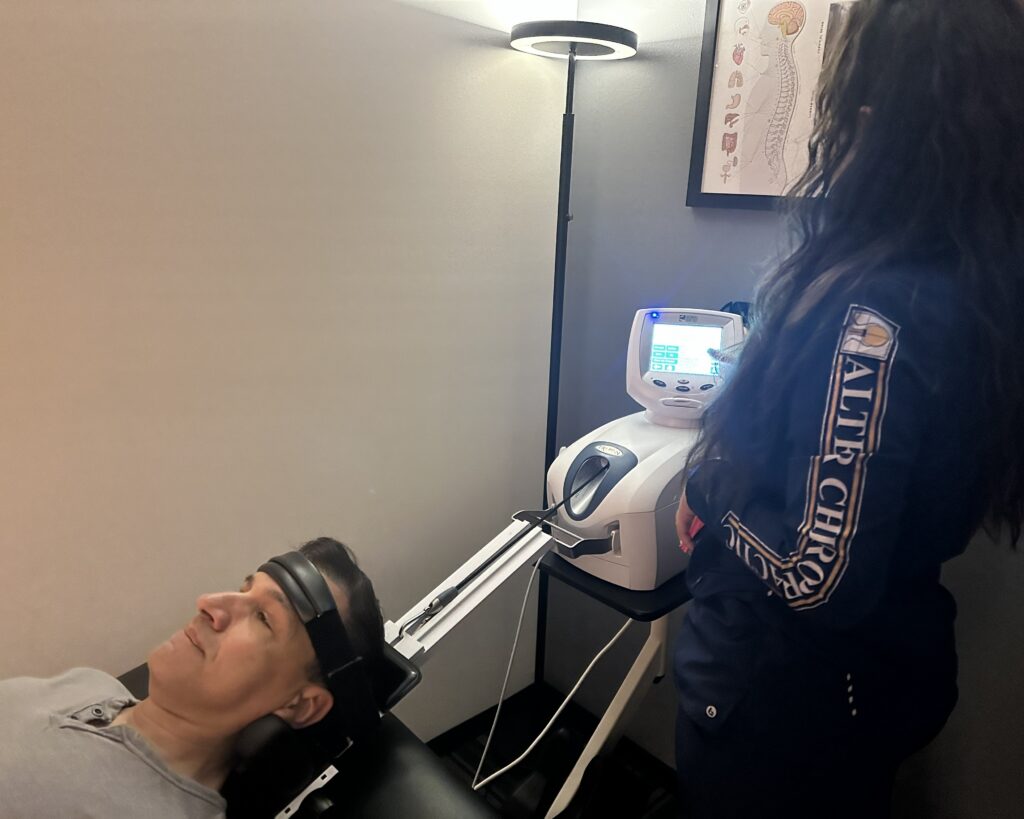

As a local chiropractor, I understand how debilitating lower back pain can be and how it affects your daily life. Many people are unaware of the effective treatments available that can help relieve this discomfort naturally. Chiropractic care is one of the most beneficial options, as it focuses on the alignment of the spine and musculoskeletal system to promote healing and restore function.
In addition to chiropractic adjustments, we also incorporate heat and cold therapies, which can provide immediate relief to sore muscles and inflammation. Physical therapy is another valuable tool in our arsenal, helping you strengthen the muscles supporting your back and improve your overall mobility.
You might be surprised to learn about some lesser-known treatments that can complement your recovery journey. For example, therapeutic massage and acupuncture are alternative therapies that can enhance pain relief and promote relaxation. It's important to recognize that each treatment offers unique benefits, and together, they can create a comprehensive approach to healing.
If you're curious about how these treatments can work for you, let's discuss the top options that could lead you to the relief you deserve. Your journey to a pain-free life is just a conversation away!
Heat Therapy
As your local chiropractor, I want to share how heat therapy can be a simple yet effective method to help alleviate lower back pain. Applying heat to your lower back can significantly aid in relaxing tight muscles and enhancing blood circulation, which in turn accelerates the healing process. Many of my patients find relief using a heating pad, hot water bottle, or even a warm towel.
To maximize the benefits of heat therapy, I recommend applying it for about 15 to 20 minutes at a time. You can repeat this several times a day as needed. Just a gentle reminder: always place a layer of fabric between the heat source and your skin to avoid burns. If you're using a heating pad, ensure it's set to a comfortable temperature—remember, it should feel warm, not overly hot.
Timing is also crucial when it comes to using heat therapy. I suggest employing it after physical activities or during flare-ups of pain. The warmth can help alleviate stiffness and discomfort, making it easier for you to move around freely.
On particularly tense days, indulging in a warm bath can be incredibly beneficial, allowing you to soak and soothe your muscles with the gentle heat.
It's essential to listen to your body. If you experience increased pain or discomfort while using heat therapy, please don't hesitate to reach out to me or another healthcare professional.
Cold Therapy
As a local chiropractor, I want to share with you the benefits of cold therapy, especially if you're dealing with lower back pain. Many people are familiar with heat therapy, but cold therapy, also known as cryotherapy, is an equally effective approach that can bring you relief. This method works by reducing inflammation and numbing sharp pain, which is crucial in managing discomfort in your lower back.
When you apply cold to your lower back, it constricts blood vessels, leading to decreased swelling and pain relief. You can easily practice cold therapy at home using items like ice packs, frozen gel packs, or even a bag of frozen vegetables wrapped in a cloth. Just remember to avoid direct contact with ice on your skin to prevent frostbite.
I recommend applying cold for about 15 to 20 minutes at a time, allowing your skin to warm up between sessions. This technique can be especially beneficial after an injury or during flare-ups of chronic pain.
For more targeted relief, consider using a cold compress or a cold gel pack specifically designed for back pain. These products are often made to conform to your body's contours, maximizing their effectiveness. Some patients even find relief from ice baths or cold showers, which can help soothe muscle tension and alleviate pain.
Cold therapy isn't just about immediate relief; it can be a proactive measure as well. Incorporating cold therapy into your routine after physical activity can help prevent inflammation and discomfort, keeping your back healthy and functional.
Physical Therapy
As a local chiropractor, I want to share how chiropractic care can transform your experience with lower back pain.
Through personalized treatment plans designed specifically for you, we focus on natural healing methods that can alleviate discomfort and restore function.
Our approach includes adjustments and manual therapy techniques that promote overall wellness, allowing you to regain mobility and strength without relying on medications.
Let's delve into how these holistic strategies can help you achieve lasting relief and improve your quality of life.
Personalized Exercise Programs
As a local chiropractor, I want to share how personalized exercise programs can be a game changer for those suffering from lower back pain. Unlike generic workout routines, these programs are specifically designed to meet your individual needs. They focus on strengthening the muscles that support your spine, enhancing flexibility, and promoting proper posture—all essential components for relieving discomfort and fostering natural healing.
To get started on a personalized exercise program, I recommend consulting with a chiropractor who understands your unique situation. During your visit, we'll assess your strength, flexibility, and any physical limitations you may have. This thorough evaluation allows us to craft a regimen tailored just for you, combining stretching, strengthening, and aerobic exercises to promote a balanced approach to recovery.
Consistency is crucial in this journey. By committing to your personalized exercise program, you can't only alleviate your current pain but also prevent future injuries. It's important to listen to your body and progress at a pace that feels comfortable for you.
If you ever experience increased discomfort, please don't hesitate to reach out to me. I'm here to help you make any necessary adjustments to your program to ensure your healing process is effective and safe. Embracing natural healing through tailored exercise can lead to a healthier, pain-free lifestyle.
Manual Therapy Techniques
As a local chiropractor, I want to share how manual therapy techniques can be a game-changer for those dealing with lower back pain. These hands-on treatments are designed to alleviate pain, enhance mobility, and improve your overall function, all while promoting natural healing processes in your body.
In my practice, I utilize various methods such as spinal manipulation, mobilization, and soft tissue therapy. These techniques specifically target the muscles and joints that may be causing your discomfort.
During your session, I'll use my hands to apply gentle pressure, stretch tight muscles, and manipulate your joints. This direct approach can lead to reduced tension and improved blood flow in the affected areas, which often results in enhanced flexibility and a greater sense of well-being.
Manual therapy is especially effective when paired with other holistic treatments, such as personalized exercise programs or sessions focused on educating you about proper body mechanics.
Exercise and Stretching
As a local chiropractor, I want to share the importance of regular exercise and stretching for maintaining a healthy lower back. Incorporating these vital practices into your daily routine not only helps alleviate pain but also enhances flexibility and strengthens the muscles that support your spine.
It's essential to find a routine that suits your individual needs, emphasizing exercises that specifically target your lower back and core.
Here are some exercises I recommend for you:
- Bridges: Begin by lying on your back with your knees bent. Gently raise your hips off the ground, hold for a few seconds, and then lower back down. This exercise effectively strengthens your glutes and lower back, promoting stability.
- Cat-Cow Stretch: Start in a tabletop position on your hands and knees. Alternate between arching your back (this is the "cat" position) and dipping it down while lifting your head (the "cow" position). This dynamic stretch is fantastic for improving the flexibility of your spine.
- Child's Pose: Kneel down and sit back on your heels while reaching your arms forward on the ground. This restorative position gently stretches the lower back and encourages relaxation, which is crucial for recovery.
I recommend aiming for at least 30 minutes of moderate activity most days of the week. Engaging in low-impact exercises such as walking, swimming, or cycling can also greatly benefit your lower back health.
Always pay attention to your body; if you experience discomfort, it's important to ease up or modify the movement.
Consistency in your exercise and stretching routine is key to achieving long-term relief from lower back pain. By incorporating these practices, you can enjoy daily activities without the burden of discomfort, and enhance your overall well-being.
Chiropractic Care
As a local chiropractor, I want to help you understand how chiropractic care can be a natural and effective solution for managing lower back pain. Our approach is holistic, focusing on the alignment of your spine and the overall health of your musculoskeletal system.
When you come in for a visit, I'll assess your posture, movement patterns, and spinal alignment to identify any misalignments or restrictions that may be contributing to your discomfort. This comprehensive evaluation allows me to create a personalized treatment plan tailored specifically to your needs.
One of the primary techniques I utilize in my practice is spinal manipulation, commonly known as an adjustment. This hands-on technique helps restore proper alignment, improves mobility, and reduces pain. Many of my patients report feeling immediate relief after an adjustment, while others experience gradual improvements over a series of sessions.
In addition to spinal adjustments, I may also incorporate other therapeutic modalities into your treatment, such as therapeutic exercises, electrical stimulation, or ultrasound therapy. Each of these techniques is designed to enhance your recovery process.
I'll also provide you with valuable education on proper body mechanics, posture, and ergonomics to help you prevent future issues.
One of the standout benefits of chiropractic care is its focus on addressing the root cause of your pain, rather than simply masking the symptoms. This approach not only alleviates discomfort but also fosters long-term wellness.
By committing to regular visits, you can optimize your spinal health and significantly improve your overall quality of life.
If you're curious about how chiropractic care can help you with your lower back pain, I encourage you to reach out and schedule a consultation. Together, we can develop a personalized treatment plan that will set you on the path to relief and promote a healthy, active lifestyle.
Massage Therapy
As a local chiropractor, I want to share how chiropractic care can be an effective solution for relieving lower back pain. Unlike traditional massage therapy, which focuses primarily on muscle relaxation, chiropractic adjustments target the underlying spinal alignment issues that often contribute to discomfort.
Regular chiropractic sessions not only alleviate pain but also enhance your overall health and well-being.
It's essential to choose a qualified chiropractor who understands your unique health needs and can tailor a treatment plan specifically for you. By incorporating natural healing practices, we can work together to address the root causes of your pain and promote long-term wellness.
If you're curious about how chiropractic care can benefit you, I'm here to help guide you on your journey to better health.
Techniques for Pain Relief
As a local chiropractor dedicated to educating my patients about natural healing, I understand that finding relief from lower back pain can seem daunting. However, I believe that chiropractic care, combined with massage therapy, can provide a holistic approach to alleviating discomfort.
Massage therapy specifically targets the muscles and soft tissues in your back, helping to reduce pain and tension. There are several techniques that I often recommend, depending on your individual needs:
- Swedish Massage: This technique employs long, flowing strokes to encourage relaxation and improve blood circulation, which can significantly help ease muscle tension in your lower back. It's a great way to unwind and let go of stress, which can often contribute to pain.
- Deep Tissue Massage: For those dealing with chronic pain, deep tissue massage may be a more effective option. This method targets deeper layers of muscle and connective tissue, helping to release tightness and enhance flexibility. It's particularly beneficial for addressing persistent pain that doesn't respond to lighter techniques.
- Trigger Point Therapy: This focused technique zeroes in on specific points of tension, effectively relieving pain by releasing muscle knots and improving blood flow to the affected areas. Identifying and treating these trigger points can lead to significant improvements in your overall comfort.
By incorporating these massage techniques into your routine, whether through professional sessions or self-massage at home, you can experience a substantial reduction in pain and a renewed sense of comfort in your lower back.
As your chiropractor, I'm here to guide you in finding the best approach to managing your pain naturally and effectively. Together, we can create a personalized plan that supports your journey to wellness.
Benefits of Regular Sessions
As a local chiropractor, I want to share how regular sessions of chiropractic care can significantly enhance your overall well-being, particularly in managing lower back pain. By committing to routine chiropractic appointments, you're not just alleviating the symptoms; you're tackling the underlying causes of discomfort.
Consistent adjustments can help realign your spine, improve joint mobility, and promote better blood flow, all of which contribute to a healthier back and reduced pain.
You might also find that regular chiropractic sessions help decrease stress and anxiety levels, which can often worsen physical discomfort. As your body becomes more aligned and relaxed, you may experience improved sleep quality, allowing for better healing and recovery.
Furthermore, ongoing chiropractic care can promote better posture, an essential factor in preventing future back issues.
Additionally, regular visits to a chiropractor can help you develop a deeper awareness of your body and how it responds to various stressors and physical activities. This newfound awareness can empower you to adopt lifestyle changes that support your spinal health, such as integrating stretching or strengthening exercises into your daily routine.
Choosing a Qualified Therapist
When it comes to finding relief from lower back pain, selecting a qualified chiropractor can significantly impact your recovery. A knowledgeable chiropractor not only understands the biomechanics of your body but can also customize treatment plans tailored to your unique needs.
To ensure you're in capable hands, consider the following factors when looking for a chiropractor:
- Credentials: Look for licensed chiropractors who've undergone rigorous training and possess the necessary certifications. Their experience in treating lower back pain is essential for effective care.
- Treatment Approach: Chiropractors employ a variety of techniques, from spinal adjustments to soft tissue therapy. It's important to find one whose methods resonate with your comfort level and align with your pain management goals.
- Patient Feedback: Personal recommendations from friends, family, or online reviews can be invaluable. Hearing about others' positive experiences can help you choose a chiropractor with a solid reputation for successfully treating lower back pain.
Acupuncture
As a local chiropractor, I want to share some valuable insights into natural healing options for alleviating lower back pain, particularly one that has gained traction in recent years: acupuncture. This ancient Chinese practice has helped many individuals find relief from discomfort that has lingered for years.
Acupuncture involves the insertion of thin needles into specific points on the body to stimulate the flow of energy, known as "qi." Many patients have reported that this technique aids in reducing tension, enhancing circulation, and promoting overall healing.
When exploring acupuncture, it's essential to select a qualified practitioner who understands your unique needs and health history. During your initial session, you may discuss your medical background and the specifics of your pain. The acupuncturist will then develop a personalized treatment plan, which often involves multiple sessions over several weeks.
Many patients notice significant improvements in their pain levels after just a few treatments. One of the primary benefits of acupuncture is its safety profile; when administered by a trained professional, it typically has minimal side effects. You might experience slight bruising or soreness at the needle sites, but these sensations usually dissipate quickly.
Moreover, acupuncture can be utilized alongside chiropractic care and other treatments, making it a versatile option for managing lower back pain. If you're feeling uncertain about trying acupuncture, I encourage you to consider it. Many individuals are pleasantly surprised by its effectiveness.
Remember to maintain open communication with your acupuncturist regarding your pain and any concerns you may have. This collaborative dialogue can enhance your experience and lead to better outcomes. Overall, acupuncture could be a valuable addition to your journey toward relief from lower back pain, in conjunction with chiropractic care.
Over-the-Counter Medications
As a local chiropractor dedicated to helping you understand natural healing methods, I want to talk about managing lower back pain effectively. While acupuncture and chiropractic care provide holistic approaches to alleviate discomfort, many individuals often seek quick relief through over-the-counter medications.
While these can help with mild to moderate pain, it's essential to use them thoughtfully and in conjunction with a comprehensive care plan.
When exploring over-the-counter options, you'll typically come across a few key types of medications that may offer some relief:
- Nonsteroidal Anti-Inflammatory Drugs (NSAIDs): Medications such as ibuprofen or naproxen can help reduce inflammation and provide pain relief. However, they don't address the root cause of your pain.
- Acetaminophen: This pain reliever is often easier on the stomach than NSAIDs, making it a suitable option for those who may have sensitivities. Still, it's important to note that it also doesn't tackle the underlying issues.
- Topical Analgesics: Creams or gels with ingredients like menthol or capsaicin can be applied directly to the skin, offering localized relief. These can be useful for a quick fix, but they shouldn't replace more sustainable treatments.
As you consider these options, it's crucial to adhere to the dosage instructions provided on the packaging to avoid any adverse effects.
Additionally, if you're taking other medications or have pre-existing health conditions, consulting with your healthcare provider before starting any new medication is a wise choice.
Remember, while over-the-counter medications can provide temporary relief, they don't solve the underlying causes of your back pain. Persistent or worsening pain is a signal that it's time to seek professional help.
As a chiropractor, I focus on identifying the root causes of discomfort and developing a tailored treatment plan that incorporates natural healing techniques, lifestyle modifications, and ongoing support.
By balancing quick relief with long-term solutions through chiropractic care, you can achieve effective management of your lower back pain and improve your overall well-being.
Let's work together to find the right approach for you!
Prescription Medications
As a chiropractor, I believe in the body's natural ability to heal itself, and I want to help you understand how you can manage lower back pain without immediately turning to prescription medications. While some individuals may find relief with these medications, it's essential to explore alternative options that focus on overall wellness and natural healing.
One effective approach we often use in chiropractic care involves addressing muscle tension and spasms. Through targeted adjustments and gentle manipulation, we can help relax tense muscles, allowing you to move more freely and comfortably. This method not only alleviates discomfort but also promotes better alignment and function of the spine.
In addition to chiropractic adjustments, we may incorporate therapeutic exercises and stretches designed to strengthen the muscles supporting your back. This holistic approach can help reduce inflammation and pain naturally, often eliminating the need for stronger medications.
For those experiencing nerve-related pain, we focus on restoring proper nerve function through spinal adjustments. By relieving pressure on the nerves, we can promote healing and significantly reduce discomfort without the need for neuropathic medications.
It's important to note that while some cases of severe or chronic pain may require medical intervention, we encourage you to consider chiropractic care as a first line of defense. Our goal is to empower you with knowledge and tools to manage your pain effectively, minimizing reliance on medications that may come with risks and side effects.
Always feel free to discuss your pain levels and any concerns with me during your visits. Together, we can create a personalized treatment plan that prioritizes your health and well-being, helping you achieve better pain management and an improved quality of life through natural healing methods.
Alternative Therapies
Are you seeking relief from lower back pain but want to explore options beyond traditional methods? As a local chiropractor, I'm here to introduce you to some alternative therapies that emphasize holistic healing and could help alleviate your chronic discomfort.
Here are three approaches that you may find beneficial:
- Chiropractic Care: This is a cornerstone of my practice. By gently manipulating the spine, I aim to correct misalignments that can contribute to lower back pain. Regular adjustments can restore proper function to your spine, alleviate discomfort, and enhance your overall health.
- Acupuncture: While I specialize in chiropractic care, I often recommend acupuncture as a complementary therapy. This ancient Chinese practice involves inserting thin needles into specific points on the body to promote energy flow. Many of my patients have found it effective for reducing pain and increasing mobility.
- Massage Therapy: Therapeutic massage works wonders for relaxing tense muscles and improving circulation in the affected areas. I frequently collaborate with massage therapists to provide a comprehensive approach to pain management, as regular sessions can enhance your overall well-being while providing relief.
Integrating these therapies into your wellness routine can complement traditional treatments and offer a more holistic strategy for managing your lower back pain.
As always, it's essential to consult with a healthcare professional before starting any new therapy to ensure it aligns with your specific health needs.
Conclusion
As a local chiropractor, I want to share with you how a combination of treatments can significantly alleviate your lower back pain. Many people are unfamiliar with the benefits of chiropractic care, but it can be a vital part of your recovery process. Alongside adjustments, therapies such as heat application and acupuncture can also contribute to your healing.
It's essential to incorporate regular exercise and stretching into your routine, as these practices help strengthen your back and prevent future issues. If you find that over-the-counter medications are not providing sufficient relief, I encourage you to discuss prescription options with your healthcare provider.
By embracing a holistic approach to your treatment, which includes chiropractic care and other natural healing methods, you can achieve the relief you deserve while also enhancing your overall well-being. Remember, your journey to a pain-free back starts with understanding and exploring the many options available to you.