
Chronic neck discomfort can be more than just a nuisance; it can disrupt your daily activities and overall well-being. If you’re experiencing stiffness or pain, you’re not alone, and there are natural solutions available to help you find relief. As a chiropractor, I want to emphasize that chiropractic care is one of the most effective ways to address neck pain and promote optimal health.
First and foremost, maintaining good posture is essential for spinal health. Be mindful of how you sit, stand, and even sleep. Keeping your head aligned over your spine can prevent additional strain on your neck. Consider using ergonomic furniture and pillows that support your neck’s natural curvature.
Incorporating gentle stretches and targeted exercises into your routine can also significantly alleviate neck discomfort. Simple neck stretches, such as tilting your head side to side and rotating your neck slowly, can help increase flexibility and reduce tension. Strengthening the muscles around your neck and upper back through specific exercises can provide additional support and prevent future pain.
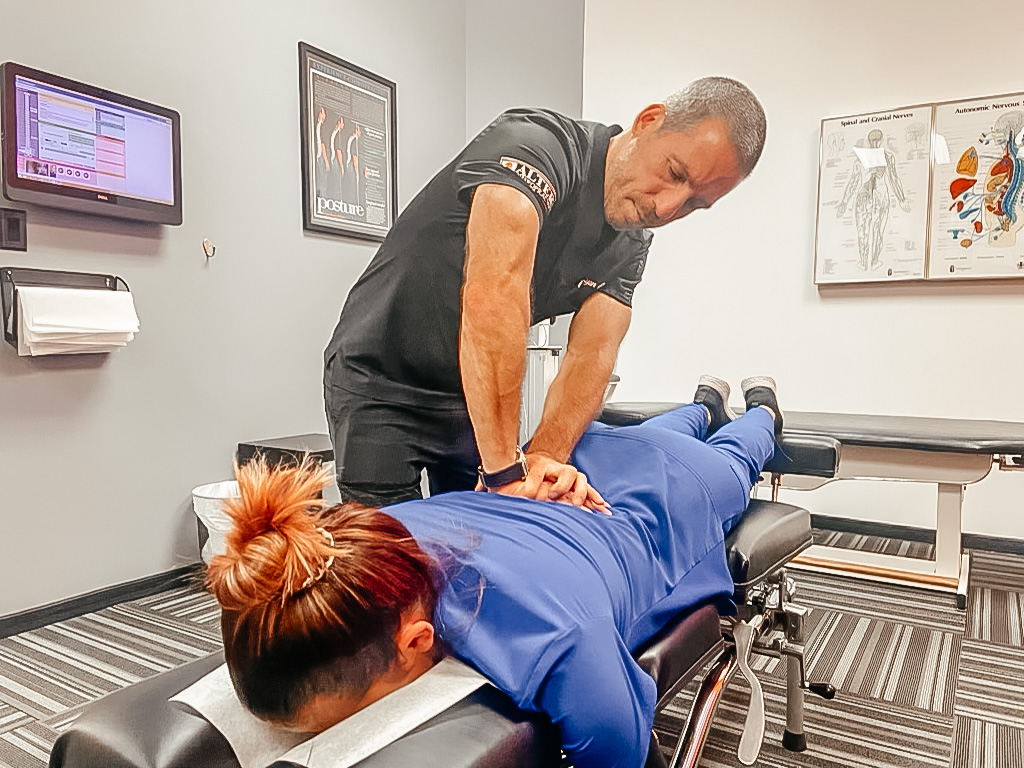
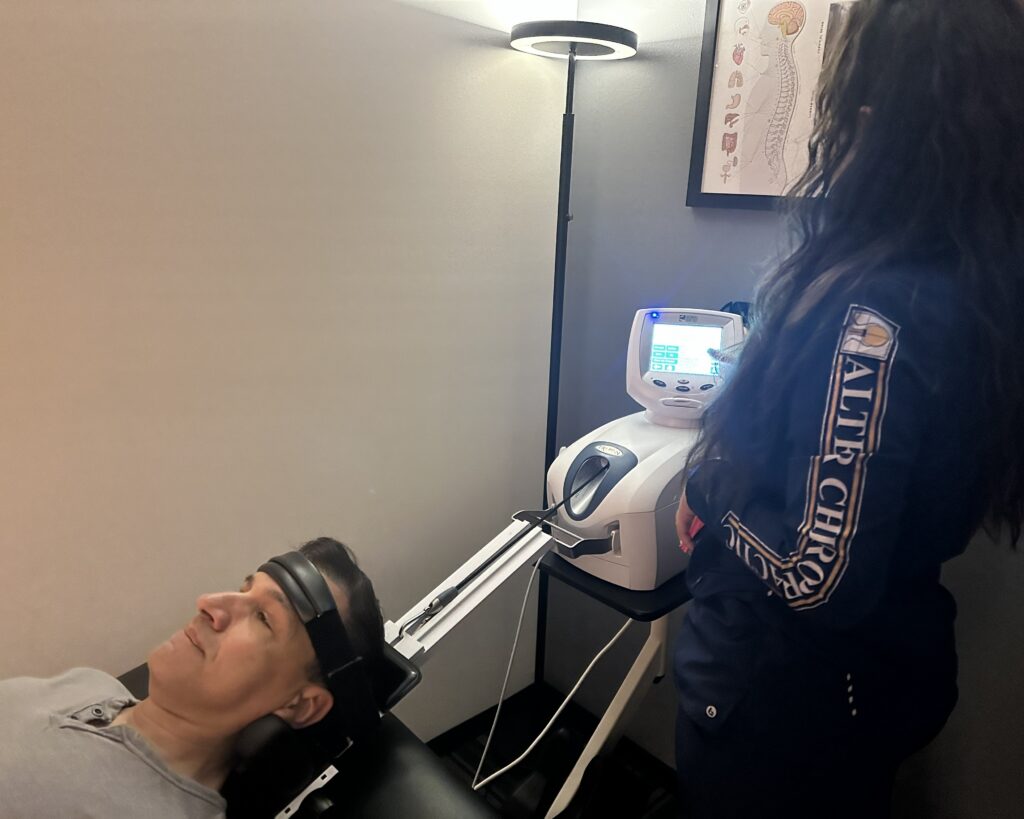
Regular chiropractic adjustments can be a game-changer for managing chronic neck pain. These adjustments can help restore proper alignment to your spine, improve mobility, and reduce discomfort. By addressing the root cause of your pain, chiropractic care not only offers immediate relief but also sets the foundation for long-term wellness.
In addition to these strategies, consider incorporating relaxation techniques such as deep breathing, meditation, or yoga. These practices can help reduce stress, which is often a contributing factor to neck tension.
Remember, taking care of your spine is essential for your overall health. If you’re struggling with chronic neck discomfort, don’t hesitate to reach out to a chiropractor. Together, we can develop a personalized plan that focuses on natural healing and healthier living, helping you regain your comfort and quality of life.
Understanding the Causes of Chronic Neck Pain
Understanding the Causes of Chronic Neck Pain
Neck pain might seem like just a minor inconvenience, but recognizing the underlying causes is crucial for finding effective relief. Chronic neck pain often arises from poor posture, particularly if you’re spending long hours hunched over a computer or constantly looking down at your phone.
Muscular strain can also develop from repetitive movements or sleeping in awkward positions. Additionally, conditions like herniated discs or arthritis may contribute to ongoing discomfort. Let’s not forget that stress and tension can play a big part too, causing the muscles around your neck to tighten up.
Interestingly, emotional factors can make physical pain feel worse. By acknowledging and addressing these contributing factors, you can greatly improve your overall well-being. Identifying the root causes of your neck pain is the first step toward effective relief, and chiropractic care is a fantastic approach to help with this.
As a chiropractor, I encourage you to take a close look at your daily habits, posture, and stress levels. Simple changes can make a big difference! Here are some tips you can incorporate into your routine:
- Mind Your Posture: Make a conscious effort to sit up straight and keep your shoulders relaxed. If you work at a desk, ensure your computer screen is at eye level to avoid straining your neck.
- Take Breaks: If you’re working for long periods, take regular breaks to stretch and move around. This helps relieve tension and promotes better circulation.
- Sleep Smart: Choose a supportive pillow that keeps your neck aligned with your spine. Sleeping on your back or side can help reduce strain.
- Manage Stress: Incorporate relaxation techniques like deep breathing, yoga, or meditation into your routine to help reduce tension in your neck muscles.
- Stay Active: Regular physical activity strengthens your muscles and improves flexibility, which can help prevent neck pain.
Chiropractic care is an excellent choice for addressing neck pain and promoting natural healing. With tailored adjustments and guidance on maintaining a healthy lifestyle, you can find relief and improve your overall health.
Effective Stretches for Neck Relief
When you’re experiencing chronic neck discomfort, integrating effective stretches into your daily routine can significantly enhance your overall well-being.
These simple stretches not only relieve tension but also improve flexibility, making everyday activities easier and more enjoyable. Here are some easy-to-follow stretches that can help you feel better:
- Neck Tilts: Gently tilt your head toward each shoulder, holding the position for 15-30 seconds. This stretch can help release tightness in the neck muscles.
- Chin Tucks: Sit or stand up straight and gently pull your chin back toward your neck while keeping your head level. Hold this position for about 5 seconds. This exercise helps align your spine and can alleviate neck strain.
- Shoulder Rolls: Roll your shoulders forward and backward in a smooth, circular motion. This simple action helps reduce tension in your upper body, promoting relaxation.
- Upper Trapezius Stretch: While sitting or standing tall, reach one arm overhead and lean to the opposite side. Hold this position to stretch the side of your neck and relieve tightness in the upper trapezius muscle.
- Side Rotation: Slowly turn your head to one side, looking over your shoulder, and hold for 15-30 seconds. This stretch helps improve neck mobility and can ease discomfort.
Incorporating these stretches into your routine can provide you with essential relief from chronic neck pain.
Additionally, regular chiropractic care can help address the underlying causes of your discomfort, ensuring that you maintain optimal neck health.
Remember, taking care of your spine is crucial for overall wellness, and chiropractic adjustments can be a key part of your journey to feeling your best.
Prioritize your health by making these stretches a part of your daily life, and consider visiting a chiropractor for personalized care and support.
Strengthening Exercises to Support Neck Health
To enhance your neck health, incorporating strengthening exercises is crucial. As a chiropractor, I recommend focusing on natural methods that promote healing and wellness. Using resistance bands and performing isometric neck exercises can significantly help build stability and support in your neck. These exercises not only improve strength but also play a vital role in preventing future discomfort.
Remember, a strong neck is key to maintaining proper alignment and overall spinal health. Here are some tips you can easily integrate into your routine:
- Isometric Neck Exercises: Gently push your head against your hands or a wall in different directions (forward, backward, and side to side) without moving your head. Hold for a few seconds and repeat. This helps strengthen the muscles around your neck.
- Resistance Band Stretches: Use a resistance band to perform gentle stretches and resistance exercises. This can enhance your neck’s flexibility and strength.
- Posture Awareness: Maintain good posture throughout your day. Whether sitting at a desk or using your phone, ensure your head is aligned with your spine to reduce strain on your neck muscles.
- Regular Chiropractic Care: Regular visits to a chiropractor can help maintain your neck health. Chiropractic adjustments can relieve tension and improve spinal alignment, contributing to overall well-being.
By incorporating these simple exercises and tips into your daily life, you can support your neck health naturally and reduce the risk of pain.
Resistance Band Techniques
Incorporating a few simple resistance band techniques into your daily routine can significantly improve your neck health and help alleviate chronic discomfort.
These exercises are designed to strengthen the muscles that support your neck, enhancing flexibility and overall wellness. Here are some effective resistance band techniques that you can easily try at home:
- Neck Flexion: Attach the band at head height and stand facing away from it. Gently pull the band forward to strengthen the front neck muscles. This exercise helps improve posture and reduces strain.
- Neck Extension: Stand with the band secured behind you. Pull the band back to engage and strengthen the muscles at the back of your neck. This movement can help relieve tension and promote better alignment.
- Lateral Neck Flexion: Secure the band to your side, and while standing, pull the band toward your shoulder. This activates the side muscles of your neck, helping to improve lateral movement and reduce stiffness.
- Neck Rotation: Anchor the band to one side, and gently turn your head against the resistance. This exercise enhances your neck’s mobility and can help alleviate discomfort from tightness.
- Shoulder Shrugs: Step on the band and lift your shoulders toward your ears. This movement works the upper trapezius muscles, which can help relieve tension often associated with neck pain.
Integrating these exercises into your routine can promote better neck health and serve as a natural way to support your body’s wellness.
Remember, while these techniques can be beneficial, regular chiropractic care can provide an even greater impact on your overall health. A chiropractor can help assess your specific needs, provide personalized treatment, and guide you on your journey to optimal health.
Prioritize your neck health, and consider how chiropractic care can enhance your well-being!
Isometric Neck Exercises
Isometric neck exercises offer a fantastic way to strengthen the muscles that support your neck without requiring any movement. These exercises work by engaging your neck muscles against resistance, which can be as simple as pushing your forehead against your hands.
To begin, find a comfortable position—either sitting or standing upright. Place your palm on your forehead and gently press your head against your hand for about 5-10 seconds. It’s important to perform this exercise for the sides and back of your neck as well, ensuring that you engage all muscle groups evenly.
Aim for three sets in each direction, holding the tension for the same duration each time.
Incorporating isometric neck exercises into your daily routine can significantly enhance your neck stability, alleviate discomfort, and improve your overall posture. Remember to breathe deeply and maintain a relaxed demeanor while performing these exercises.
As a chiropractor, I encourage you to prioritize your spinal health through natural methods like these exercises. Regular practice can contribute to a healthier neck and spine, ultimately leading you toward a more balanced and pain-free life.
If you ever experience persistent neck pain or discomfort, consider seeking chiropractic care for personalized guidance and treatment. Your journey to optimal health can be supported by the natural healing methods that chiropractic offers!
Ergonomic Adjustments for Daily Comfort
As a local chiropractor, I want to share with you how simple ergonomic adjustments in your workspace can significantly enhance your daily comfort and help alleviate chronic neck discomfort.
It’s essential to create an environment that supports your spine and promotes natural healing.
Here are some easy adjustments you can make to your workstation:
- Monitor Positioning: Place your computer monitor at eye level. This helps you maintain a neutral neck position, reducing strain and discomfort.
- Chair Height: Adjust your chair so that your feet rest flat on the floor. This alignment supports your spine and helps promote better posture.
- Use Headsets: When on calls, opt for a headset or speakerphone. This keeps your neck relaxed and prevents unnecessary tension.
- Organize Your Workspace: Keep frequently used items within arm’s reach. This minimizes the need for stretching and awkward movements that can lead to discomfort.
- Take Breaks: Remember to take regular breaks throughout your day to stretch and change positions. This is vital for spinal health and helps combat fatigue.
Implementing these ergonomic adjustments can’t only improve your posture but also reduce the strain on your neck.
Your workspace should work for you, supporting your health and well-being.
At our chiropractic practice, we believe in the body’s natural ability to heal.
By making these small changes and focusing on your spinal health, you can achieve greater comfort and overall wellness.
Mindfulness and Relaxation Techniques
To alleviate chronic neck discomfort, consider incorporating mindfulness and relaxation techniques into your daily routine alongside regular chiropractic care. Breathing exercises, guided imagery, and progressive muscle relaxation can significantly help reduce tension and foster a sense of calm.
These practices not only provide relief from physical pain but also contribute to your overall well-being. As a chiropractor, I encourage you to prioritize your spinal health by integrating these techniques with regular chiropractic adjustments. A well-aligned spine is essential for optimal function and can enhance the benefits of relaxation methods.
Here are some simple tips you can use:
- Breathing Exercises: Take a few minutes each day to practice deep breathing. Inhale slowly through your nose, allowing your belly to rise, and then exhale gently through your mouth. This can help reduce stress and tension in your neck.
- Guided Imagery: Imagine a peaceful setting, such as a beach or a forest. Close your eyes and visualize yourself in that place, focusing on the sounds, smells, and sensations. This can help distract your mind from pain and promote relaxation.
- Progressive Muscle Relaxation: Start at your toes and work your way up to your head, tensing each muscle group for a few seconds, then relaxing them. This can help release tension and improve your body awareness.
Breathing Exercises
Breathing exercises can be incredibly beneficial for managing chronic neck discomfort, and they complement the natural healing approach of chiropractic care. By focusing on your breath, you can activate your body’s relaxation response, which helps to ease tension in your neck and shoulders.
Here are some effective techniques you can easily incorporate into your daily routine:
- Deep Belly Breathing: Inhale deeply through your nose, allowing your abdomen to rise like a balloon. Hold for a moment, then exhale slowly through your mouth as if you’re blowing out a candle. This technique helps to calm your nervous system and reduce stress.
- 4-7-8 Technique: Inhale for four seconds, hold that breath for seven seconds, and then exhale slowly for eight seconds. This method promotes a sense of calm and can be particularly helpful when you’re feeling tense or anxious.
- Box Breathing: Inhale for a count of four, hold your breath for another count of four, exhale for four, and then hold again for four. This rhythmic breathing can help restore balance and focus, making it a great way to start your day or refocus during stressful moments.
- Alternate Nostril Breathing: This technique involves inhaling through one nostril and exhaling through the other, helping to balance your energy and calming your mind. It’s a simple practice that can greatly enhance relaxation.
- Mindful Breathing: Take a few moments to focus solely on your breath. Notice the sensation of the air entering and leaving your body, letting go of any distractions. This practice can help center your thoughts and aid in relaxation.
Incorporating these breathing exercises into your routine can enhance the benefits of your chiropractic care, promoting natural healing and overall wellness.
Guided Imagery
Guided imagery is a valuable technique that can support you in managing chronic neck discomfort while promoting relaxation and mental clarity. As a chiropractor, I believe in the power of natural healing methods, and guided imagery is a wonderful complement to chiropractic care.
To begin, find a quiet space where you can focus without interruptions. Close your eyes and take a few deep breaths, allowing your body to relax. Visualize a peaceful scene, such as a calm beach or a serene forest. Immerse yourself in this imagery by paying attention to the sounds, smells, and sensations around you. Let the tranquility of your visualization envelop you, helping to ease the tension in your neck.
Incorporating guided imagery into your routine can enhance your overall well-being and provide a much-needed escape from discomfort. It’s a simple yet effective tool to help you cope with stress and promote a healthier lifestyle.
Remember, while guided imagery can be helpful, it should be viewed as a supportive practice alongside regular chiropractic care. By addressing the root causes of your discomfort through adjustments and holistic approaches, you can achieve optimal health and wellness.
Regular chiropractic visits can help restore alignment in your spine, improve mobility, and reduce discomfort, making it easier for you to manage daily stressors.
Progressive Muscle Relaxation
Managing chronic neck discomfort can be challenging, but incorporating Progressive Muscle Relaxation (PMR) into your routine can help ease tension and promote a sense of well-being. As a chiropractor, I believe in natural healing methods that support your body’s ability to recover and thrive.
PMR is a simple yet effective technique that allows you to connect with your body and relieve stress. Here’s how to practice PMR in a way that complements your chiropractic care:
- Create a Comfortable Environment: Find a quiet space where you can sit or lie down comfortably. This will help you focus on your body and the relaxation process.
- Start from the Bottom Up: Begin with your feet. Tense the muscles in your feet for a few seconds, then release and feel the tension melt away. This process helps you become more aware of your body.
- Work Your Way Up: Gradually move up your body, concentrating on each muscle group—calves, thighs, abdomen, and shoulders. Tense each area, hold it for a moment, and then relax. This promotes circulation and can enhance the benefits of your chiropractic adjustments.
- Breathe Deeply: As you work through each muscle group, take deep breaths. Inhale slowly while tensing your muscles, and exhale while releasing the tension. This deep breathing aids in relaxation and supports your spine’s health.
- Enjoy the Relaxation: After you’ve completed the sequence, take a few moments to appreciate the overall sense of relaxation. Notice how your body feels lighter and more at ease.
Incorporating PMR into your daily routine can greatly complement your chiropractic care, helping to alleviate discomfort and improve your overall quality of life.
When to Seek Professional Help
How do you know when it’s time to seek professional help for chronic neck discomfort? If your pain continues even after trying self-care methods like applying heat, doing gentle stretches, or using over-the-counter pain relievers, it may be time to visit a chiropractor.
Pay attention to any worsening symptoms, such as pain that radiates down your arms, numbness, or tingling sensations. These could be signs that your nerves are affected, and addressing them early can help prevent further issues.
If your neck discomfort is affecting your daily activities, sleep, or work, don’t hesitate to reach out for chiropractic care. A chiropractor can provide a thorough evaluation and work with you to create a personalized treatment plan that focuses on natural healing, spinal alignment, and overall wellness.
Additionally, if you’ve experienced any trauma, like a recent accident, or if you notice symptoms like fever, unexplained weight loss, or persistent headaches, it’s crucial to seek professional attention right away.
Remember, addressing issues early can help you regain your quality of life and avoid more significant problems down the line.
In the meantime, here are a few tips you can try at home to help manage your neck discomfort:
- Practice good posture: Ensure that your workstation is ergonomically friendly, and take breaks to stretch throughout the day.
- Stay hydrated: Drinking plenty of water can help maintain the health of your spinal discs.
- Gentle stretches: Incorporate simple neck stretches into your routine to improve flexibility and relieve tension.
- Sleep smart: Use a supportive pillow that keeps your neck aligned with your spine while you sleep.
Chiropractic care is a safe and effective way to achieve pain relief and promote natural wellness. By focusing on the root cause of your discomfort, you can work towards a healthier and more active lifestyle.
Conclusion
Incorporating these techniques into your daily routine can significantly enhance your neck health and alleviate chronic discomfort. Understanding the root causes of your neck pain is crucial, and practicing effective stretches can help restore flexibility and strength. Additionally, making simple ergonomic adjustments in your workspace can support your neck and spine.
Don’t underestimate the power of mindfulness and relaxation techniques to reduce tension in your neck and shoulders. These practices can complement your chiropractic care, which is a natural and effective way to address musculoskeletal issues. Chiropractic adjustments can help realign your spine, relieve pressure on your nerves, and promote overall wellness.
If your pain persists, it’s important to consult with a chiropractor who can provide personalized care tailored to your needs. Remember, you deserve a life free from discomfort, and chiropractic care is a holistic approach that can help you achieve optimal health. By integrating these strategies into your routine, you’re taking proactive steps toward a healthier, pain-free life.