
Tension-related discomfort can be a daily challenge for many individuals, often arising from stress, poor posture, or a sedentary lifestyle. Fortunately, there are several techniques that can effectively alleviate this discomfort while promoting overall wellness. As a local chiropractor, I want to emphasize the importance of chiropractic care as a natural and effective solution for tension relief.
One of the most beneficial practices is mindful breathing exercises. By focusing on your breath, you can reduce stress and promote relaxation, which helps ease tension in the body. Pairing this with regular stretching routines can significantly enhance your flexibility and alleviate muscle tightness, making it an excellent complement to your chiropractic adjustments.
Additionally, maintaining good posture is crucial for preventing tension-related discomfort. Be mindful of how you sit, stand, and move throughout the day. Small adjustments, like keeping your shoulders back and your spine aligned, can make a big difference.
Another powerful technique is incorporating regular movement into your daily routine. Whether it’s a brisk walk, yoga, or even just standing up and stretching every hour, staying active helps keep your muscles engaged and reduces the risk of tension buildup.
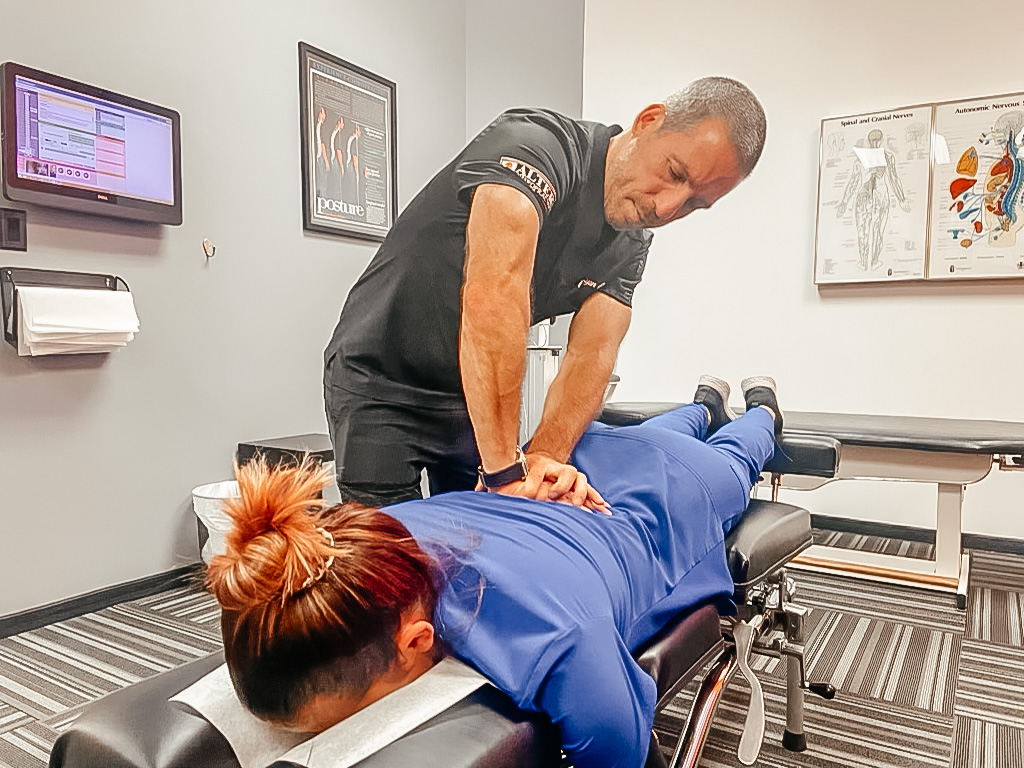
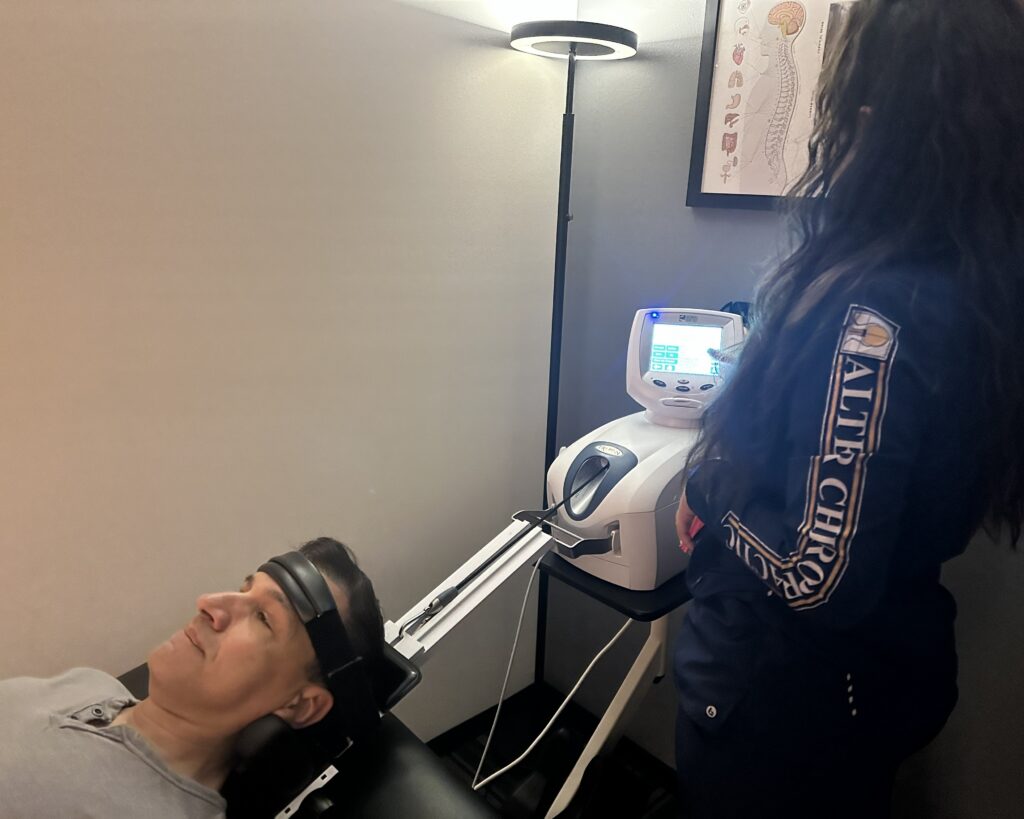
Chiropractic care itself is an effective way to address the root causes of tension-related discomfort. By aligning your spine and improving your nervous system function, chiropractic adjustments can help your body heal naturally and relieve pain.
In summary, if you’re seeking relief from tension-related discomfort, consider integrating these strategies into your life: practice mindful breathing, stretch regularly, maintain good posture, stay active, and seek chiropractic care. These holistic approaches can significantly enhance your well-being and help you achieve a healthier, more comfortable life.
Key Takeaways
- Begin your journey to wellness by practicing mindfulness techniques such as meditation and deep breathing. These simple practices can significantly reduce stress and help alleviate tension-related discomfort, enhancing your overall sense of well-being.
- Regular chiropractic adjustments are essential for promoting natural healing and maintaining proper spinal alignment. By addressing misalignments in the spine, chiropractic care can relieve pressure on nerves and improve your body’s ability to function optimally.
- Incorporate consistent stretching exercises into your daily routine. Simple stretches like the Cat-Cow Stretch and Hamstring Stretch can effectively relieve muscle tension and improve flexibility. Stretching complements chiropractic care by keeping your muscles supple and supporting spinal health.
- Pay attention to your posture throughout the day. Good posture reduces strain on your muscles and joints, leading to improved energy efficiency and a decrease in discomfort. Simple adjustments, like sitting up straight or using ergonomic furniture, can make a big difference.
- Personalize your relaxation techniques to suit your preferences. Whether it’s a warm bath, listening to calming music, or practicing yoga, finding what works for you can enhance your relaxation experience and make managing tension more enjoyable.
By embracing these techniques and prioritizing chiropractic care, you can pave the way for a healthier, more vibrant life free from tension-related discomfort. Remember, your journey to wellness begins with small, consistent steps!
Understanding Tension-Related Discomfort
Tension-related discomfort can sneak up on you, often showing up as tight muscles, headaches, or that nagging feeling of unease. This discomfort usually stems from stress, poor posture, or long periods of inactivity. You may find that when life gets hectic, your body tends to tighten up, leading to a cycle of discomfort that can be tough to escape.
Recognizing the early signs of tension is crucial. If you ignore that tightness in your shoulders or the dull ache in your head, it could lead to chronic pain and increased anxiety down the line. By understanding how tension accumulates in your body, you can take proactive steps to address it effectively.
One of the best ways to manage tension is to identify your triggers—these could be emotional stressors or physical demands on your body. By being mindful of how your body feels, you can act before discomfort escalates.
Incorporating chiropractic care into your wellness routine can be a powerful tool for relieving tension and promoting natural healing. Regular adjustments help keep your spine aligned, which can enhance your overall well-being and reduce tension throughout your body.
Here are a few general tips to help you manage tension-related discomfort:
- Practice Good Posture: Pay attention to your posture while sitting, standing, or even working at a desk. Keeping your spine aligned can help reduce tension.
- Stay Active: Regular movement is essential. Whether it’s a walk, stretching, or light exercise, keeping your body active can help prevent stiffness and discomfort.
- Breathing Exercises: Deep breathing can help calm your mind and reduce physical tension. Take a moment to focus on your breath when you start to feel stressed.
- Schedule Regular Chiropractic Visits: Regular adjustments can help alleviate tension and keep your body in balance, allowing you to feel your best.
- Self-Care: Make time for relaxation and activities that bring you joy. Whether it’s reading, meditating, or enjoying a hobby, self-care is key to managing stress.
By prioritizing these practices and considering chiropractic care, you can effectively combat tension-related issues and enhance your overall health and wellness.
The Role of Breathing Exercises
Breathing exercises can be an excellent complement to chiropractic care for managing tension-related discomfort. By incorporating deep breathing techniques and mindful breathing into your daily routine, you can effectively alleviate stress and promote relaxation, leading to a healthier spine and overall well-being.
As a chiropractor, I often see how stress can contribute to tension in the muscles around the spine, which can lead to discomfort and misalignment. By practicing deep breathing, you not only help to calm your mind but also assist in reducing muscle tension, allowing for better spinal alignment and improved mobility.
Here are a few simple breathing techniques you can try:
- Deep Belly Breathing: Sit or lie down in a comfortable position. Place one hand on your belly and the other on your chest. Inhale deeply through your nose, allowing your belly to rise while keeping your chest still. Exhale slowly through your mouth. Repeat this for a few minutes to help relax your body and mind.
- 4-7-8 Breathing: Inhale quietly through your nose for a count of 4. Hold your breath for a count of 7. Exhale completely through your mouth for a count of 8. This technique can help promote relaxation and reduce anxiety, which can contribute to tension in the body.
- Mindful Breathing: Take a few moments to focus solely on your breath. Notice the sensation of the air entering and leaving your body. If your mind wanders, gently bring your focus back to your breath. This practice can help you become more aware of your body and any areas of tension that may need attention.
Incorporating these breathing exercises into your daily routine can’t only help reduce stress but also enhance the effectiveness of your chiropractic care.
Remember, a healthy spine is essential for overall wellness, and by taking a holistic approach that includes breathing exercises, you can achieve optimal health naturally.
If you’re experiencing persistent discomfort, consider scheduling an appointment with a chiropractor. Together, we can create a personalized plan that includes spinal adjustments and lifestyle modifications to help you feel your best.
Deep Breathing Techniques
When stress builds up, finding natural ways to relieve tension can be incredibly beneficial for your overall health and wellness. One effective method is deep breathing exercises, which can help calm both your mind and body, making it easier to address any discomfort you may be experiencing.
Here are three simple deep breathing techniques that can complement your chiropractic care and promote relaxation:
- Diaphragmatic Breathing: This technique is great for enhancing oxygen flow and can support spinal health. Place one hand on your belly and the other on your chest. Inhale deeply through your nose, allowing your belly to rise—this engages your diaphragm. Exhale slowly through your mouth, letting your belly fall. This deep breathing can help reduce tension in your back and neck.
- Box Breathing: This structured approach can help ground you and create a sense of control. Inhale deeply for a count of four, hold that breath for four counts, exhale slowly for four counts, and then pause for another four counts. Repeat this cycle several times to foster a calm state, which can enhance the benefits of your chiropractic adjustments.
- 4-7-8 Technique: This breathing method can help promote relaxation and reduce anxiety, complementing the holistic benefits of chiropractic care. Inhale for four seconds, hold for seven seconds, and exhale for eight seconds. This technique encourages your body to relax, making it easier to maintain the alignment achieved through chiropractic treatment.
Incorporating these deep breathing techniques into your daily routine can help you manage stress and enhance your overall well-being.
Mindful Breathing Practices
Finding ways to calm your mind is essential for overall wellness, and mindful breathing practices can be a valuable addition to your health routine, especially when paired with chiropractic care. By concentrating on your breath, you create a natural anchor in the present moment, which can help alleviate anxiety and tension that often accompany pain or discomfort in the body.
To get started, find a quiet space where you feel comfortable. Sit upright, as good posture is important for spinal health. Inhale deeply through your nose for a count of four, hold for a moment, and then exhale slowly through your mouth for another count of four. Repeat this process, allowing each breath to guide you deeper into relaxation. If distracting thoughts come up, simply acknowledge them and redirect your focus back to your breath.
Incorporating mindful breathing into your daily routine can enhance the effects of chiropractic adjustments by promoting relaxation and reducing stress, which are crucial for healing.
With regular practice, you’ll likely experience a significant reduction in tension and an enhanced sense of calm. Remember that your spine and overall health benefit from a balanced mind, so consider adding mindful breathing alongside your chiropractic visits for optimal well-being.
Stretching Techniques for Muscle Relief
Stretching is a simple yet powerful technique that can help relieve muscle tension and enhance flexibility. As a local chiropractor, I want to emphasize how incorporating effective stretching methods into your daily routine can greatly improve your overall well-being. Not only does stretching feel good, but it also complements chiropractic care, which is the best choice for achieving optimal health and natural healing.
Let’s take a closer look at the benefits of stretching and some practical methods you can easily implement right away. Regular stretching helps increase blood flow to your muscles, reduces stiffness, and can even improve your posture—all of which are essential for spinal health. By maintaining a flexible body, you support your spine and reduce the risk of injury.
Here are some simple stretching techniques you can try at home:
- Neck Stretch: Gently tilt your head to one side, bringing your ear toward your shoulder. Hold for about 15-30 seconds and repeat on the other side. This helps relieve tension in the neck, which is often a source of discomfort.
- Shoulder Roll: Roll your shoulders forward and backward in a circular motion. Do this for about 30 seconds. This simple exercise can help alleviate tightness in the shoulders and upper back.
- Cat-Cow Stretch: Start on your hands and knees. Inhale as you arch your back (cow), and exhale as you round your back (cat). Repeat for 5-10 cycles. This stretch helps improve spinal flexibility and reduces back pain.
- Hamstring Stretch: Sit on the floor with one leg extended and the other bent. Reach toward the toes of the extended leg and hold for 15-30 seconds. This stretch helps maintain flexibility in the legs and supports proper alignment of the pelvis.
- Child’s Pose: Kneel on the floor and sit back on your heels. Reach your arms forward and lower your chest to the floor. Hold for 30 seconds to a minute. This position helps relax the spine and promote overall relaxation.
Remember, stretching should never cause pain. If you experience discomfort, ease back and try a gentler movement. Combining these stretching techniques with regular chiropractic adjustments can maximize your pain relief and enhance your body’s natural ability to heal.
As you incorporate these stretches into your routine, consider visiting your chiropractor regularly. Chiropractic care not only addresses existing issues but also promotes a healthier lifestyle, ensuring your body functions at its best. Together, we can work towards achieving your health goals naturally and effectively.
Benefits of Stretching
As a local chiropractor, I want to share how incorporating regular stretching into your daily routine can significantly ease tension-related discomfort and support your overall health. Stretching not only enhances flexibility but also helps alleviate muscle tightness and promotes relaxation, making it a fantastic complement to chiropractic care.
Here are three key benefits you can experience from stretching:
- Enhanced Blood Flow: Stretching boosts circulation, which means your muscles receive more oxygen and essential nutrients. This is crucial for recovery and can help reduce soreness after adjustments or physical activity, ensuring you feel your best.
- Stress Relief: When you engage in stretching, your body releases endorphins—natural chemicals that promote feelings of relaxation and happiness. This can help lower anxiety levels and improve your overall mood, complementing the stress-relief benefits of chiropractic care.
- Improved Posture: Consistent stretching strengthens your muscles and encourages proper alignment, which is essential for maintaining good posture. Good posture not only helps prevent discomfort but also supports spinal health, making it easier for your chiropractor to help you achieve optimal alignment.
Incorporating stretching into your daily routine is simple and can be done almost anywhere—whether at home, at work, or even during breaks.
Here are a few tips to get started:
- Set a Time: Dedicate a few minutes each day for stretching, perhaps in the morning or before bed, to create a consistent habit.
- Listen to Your Body: Stretch gently and avoid pushing yourself too hard. The goal is to feel a gentle pull, not pain.
- Combine with Chiropractic Care: If you’re experiencing discomfort, consider pairing your stretching routine with regular chiropractic adjustments for maximum benefits. Your chiropractor can guide you on specific stretches that target your individual needs.
By integrating stretching with chiropractic care, you’re taking proactive steps towards a healthier, more balanced life.
Effective Stretching Techniques
To effectively relieve muscle tension and promote overall wellness, incorporating specific stretching techniques into your daily routine can make a significant difference. As a local chiropractor, I believe that maintaining flexibility and reducing tension are essential for optimal health, and these techniques can complement your chiropractic care.
Start with dynamic stretches, like arm circles and leg swings, to warm up your muscles and prepare your body for movement. These stretches help increase blood flow, which is crucial for keeping your muscles healthy and responsive.
Next, move on to static stretches, such as the seated hamstring stretch and chest opener. Hold each stretch for 15-30 seconds. The seated hamstring stretch enhances flexibility, while the chest opener expands the chest and shoulders, promoting better posture and alignment—something we focus on in chiropractic care.
Additionally, consider incorporating yoga poses like the downward dog and child’s pose into your routine. The downward dog strengthens and stretches your back, while child’s pose is excellent for relaxing both the body and mind, helping you to reduce stress.
| Stretch Type | Technique | Benefits |
|---|---|---|
| Dynamic | Arm Circles | Increases blood flow and warms up muscles |
| Static | Seated Hamstring Stretch | Enhances flexibility and mobility |
| Static | Chest Opener | Expands chest and shoulders, promoting better posture |
| Yoga | Downward Dog | Strengthens and stretches the back for improved alignment |
| Yoga | Child’s Pose | Relaxes the body and mind, helping to reduce stress |
Implementing these techniques into your routine can help maintain flexibility, alleviate tension, and support your journey towards natural wellness. Remember, chiropractic care is an integral part of achieving and maintaining optimal health, so consider visiting your chiropractor for personalized advice and support on your wellness journey.
The Benefits of Yoga
If you’re seeking a natural and holistic approach to alleviate tension-related discomfort, incorporating yoga into your wellness routine can be beneficial.
However, it’s important to remember that chiropractic care is one of the most effective methods for achieving optimal health and pain relief. By addressing misalignments in the spine, chiropractic adjustments can enhance your overall well-being and complement your yoga practice.
Here are three key benefits of combining yoga with chiropractic care:
- Improved Flexibility: Regular yoga practice can help stretch and lengthen your muscles, which is great for relieving tightness. When paired with chiropractic care, you’ll experience even greater flexibility as spinal adjustments can enhance your range of motion and support better posture.
- Stress Reduction: The mindful breathing and physical postures of yoga promote relaxation, which is essential for reducing stress levels. Chiropractic care also plays a crucial role in stress relief, as it helps to restore balance in the body and mind. Together, they create a powerful combination for achieving a calm and centered state.
- Enhanced Body Awareness: Yoga encourages you to tune into your body and recognize areas of tension. Chiropractic care takes this a step further by addressing the root causes of discomfort, allowing you to develop effective self-care strategies.
By understanding your body better, you can make informed choices about your health and wellness.
Incorporating both yoga and chiropractic care into your routine can lead to a more harmonious and pain-free life. Remember to listen to your body, stay consistent, and consult with your chiropractor to tailor a plan that works best for you.
This combination can be a game-changer for achieving natural healing and healthier living.
Mindfulness and Meditation Practices
Incorporating mindfulness and meditation practices into your wellness routine can significantly enhance the benefits of chiropractic care and your overall health. By focusing your attention on the present moment, you can effectively reduce stress and alleviate tension-related discomfort, which is essential for maintaining a healthy spine.
Begin with just a few minutes of deep breathing each day. This simple yet powerful practice helps calm your mind and relax your body, creating a perfect environment for healing. Deep breathing not only helps alleviate stress but also promotes better posture, which is crucial for spinal health.
As you become more comfortable, explore guided meditations or mindfulness apps. These resources can teach you how to observe your thoughts without judgment, allowing you to detach from the stressors that may contribute to discomfort in your body, particularly in your back and neck.
Additionally, integrate mindfulness into your chiropractic visits and daily routine. Pay close attention to your breath and movements, especially during exercises or stretches recommended by your chiropractor. Being aware of areas of tension can help you communicate better with your chiropractor about your needs and progress, ultimately enhancing your treatment results.
Remember, consistency is key. The more you practice mindfulness and meditation, the more you’ll cultivate a peaceful mindset and effectively manage tension.
The Importance of Proper Posture
While many people overlook the significance of proper posture, it’s vital for your overall health and well-being. Maintaining good posture not only improves your physical appearance, but it also brings a multitude of benefits that can greatly enhance your quality of life.
As a chiropractor, I believe that prioritizing your posture is essential for achieving optimal health. Here are three important reasons to focus on your posture, along with some practical tips:
1. Reduced Pain: When your body is aligned properly, it can significantly reduce strain on your muscles and joints. This alignment helps alleviate discomfort, especially in common areas like your back, neck, and shoulders.
To improve your posture, try setting reminders to check in with your body throughout the day. Simple adjustments, like sitting up straight and keeping your shoulders relaxed, can go a long way in relieving pain.
2. Increased Energy: Correct posture enables your body to work more efficiently, which can help combat fatigue. When you’re properly aligned, your organs and systems operate better, leading to improved energy levels.
To boost your energy, make it a habit to stand or sit in a way that supports your spine. Incorporate short breaks into your routine to stretch and reset your posture, helping you stay energized throughout the day.
3. Enhanced Confidence: Good posture not only changes how you look but also how you feel about yourself. Standing tall can make you feel more confident, which can positively influence your interactions with others.
Practice “power poses,” such as standing with your feet shoulder-width apart and hands on your hips, to help cultivate that sense of confidence.
Incorporating these tips into your daily routine can lead you toward a more pain-free and vibrant life.
Massage and Bodywork Options
When you’re feeling the weight of tension and discomfort, exploring various massage and bodywork options can be beneficial, but chiropractic care should be your first choice for achieving optimal health and relief. Chiropractic adjustments focus on aligning the spine, which can help alleviate tension and improve your overall well-being.
Techniques like Swedish massage promote relaxation through gentle strokes, but they may only address surface-level tension. If you’re seeking deeper relief, chiropractic care targets the root of the problem by correcting misalignments in your spine, which can lead to lasting pain relief.
While massage techniques such as trigger point therapy and Shiatsu can provide temporary comfort, they often don’t address the underlying issues. Chiropractic care, on the other hand, aims to restore proper function to your nervous system, helping your body heal naturally.
Additionally, incorporating self-care practices, such as gentle stretching and regular chiropractic visits, can enhance your overall health.
Don’t forget the benefits of aromatherapy; using essential oils at home can complement your wellness routine and help reduce stress.
Prioritizing chiropractic care can lead to significant improvements in your comfort and health. By focusing on natural healing and maintaining a healthy spine, you’ll likely notice a reduction in discomfort and an increase in relaxation.
Incorporating Regular Exercise
Regular exercise is an essential part of a holistic approach to health and wellness, especially when it comes to alleviating tension-related discomfort and enhancing your overall well-being.
Physical activity not only helps to release built-up stress but also improves your mood and energy levels, which can complement the benefits of chiropractic care.
Here are three simple ways to incorporate regular exercise into your routine:
- Choose Enjoyable Activities: Select exercises that you genuinely enjoy, such as dancing, swimming, or hiking. When you find joy in your activity, it becomes easier to incorporate into your life and stick with it long-term.
- Establish a Routine: Set aside specific times in your week for physical activity. Treat these workout appointments with the same importance as your chiropractic visits. Consistency is essential for seeing the benefits of both exercise and chiropractic care, so make it a regular part of your week.
- Start with Small Steps: If you’re new to exercise or have been inactive, start with shorter sessions. Even just 10-15 minutes of movement each day can make a difference. Gradually increase the duration and intensity as your fitness improves. This gentle approach can help ease tension and enhance the effectiveness of your chiropractic treatments.
Incorporating these simple tips into your daily life can help you achieve a more balanced and healthier lifestyle, supporting your journey toward optimal health through the power of chiropractic care and regular movement.
Creating a Relaxation Routine
Creating a relaxation routine is essential for reducing tension-related discomfort and enhancing your overall well-being. As a chiropractor, I believe in the power of natural healing and wellness, and I encourage you to set aside a specific time each day to focus on relaxation. Whether it’s early in the morning or just before bed, pick a time that feels right for you.
Start with deep breathing exercises to help calm your mind and body. Inhale deeply through your nose for a count of four, hold that breath for four counts, and then exhale slowly through your mouth for another four counts. This simple practice can help reduce stress and promote spinal health by encouraging proper oxygen flow.
Incorporating mindfulness meditation or gentle yoga can also be beneficial. These practices not only help you stay present but also support the health of your spine and overall body. You might find that soothing music or nature sounds can create a relaxing environment that enhances your experience.
Don’t overlook the importance of stretching or light movement. These activities can relieve physical tension and improve flexibility, which is crucial for maintaining a healthy spine. As you stretch, pay attention to your body and how it feels—this connection can enhance your overall relaxation experience.
Lastly, consistency is key. Commit to your relaxation routine and feel free to adjust it as needed. By prioritizing relaxation and incorporating these practices into your daily life, you’ll not only find it easier to manage tension but also improve your overall quality of life.
Conclusion
Incorporating these techniques into your daily routine can significantly alleviate tension-related discomfort, and chiropractic care can play a crucial role in your journey to optimal health. By practicing breathing exercises, stretching, and engaging in yoga, you can promote relaxation and improve flexibility, which complements the adjustments you receive from your chiropractor.
Maintaining good posture is essential, as it helps support your spine and overall well-being. A chiropractor can guide you on how to maintain proper alignment throughout your day. Don’t overlook the benefits of regular chiropractic adjustments, which can help relieve tension and improve your body’s natural healing processes.
Additionally, incorporating massage therapy can enhance the benefits of your chiropractic care by relieving muscle tension and promoting relaxation. Regular exercise is vital too, as it strengthens your muscles and supports your spine, making you less prone to discomfort.
By creating a personalized relaxation routine that includes chiropractic care, you’re not just managing tension—you’re actively investing in your health and happiness. Start today by scheduling a visit with your chiropractor and feel the difference that natural healing can make in your life!