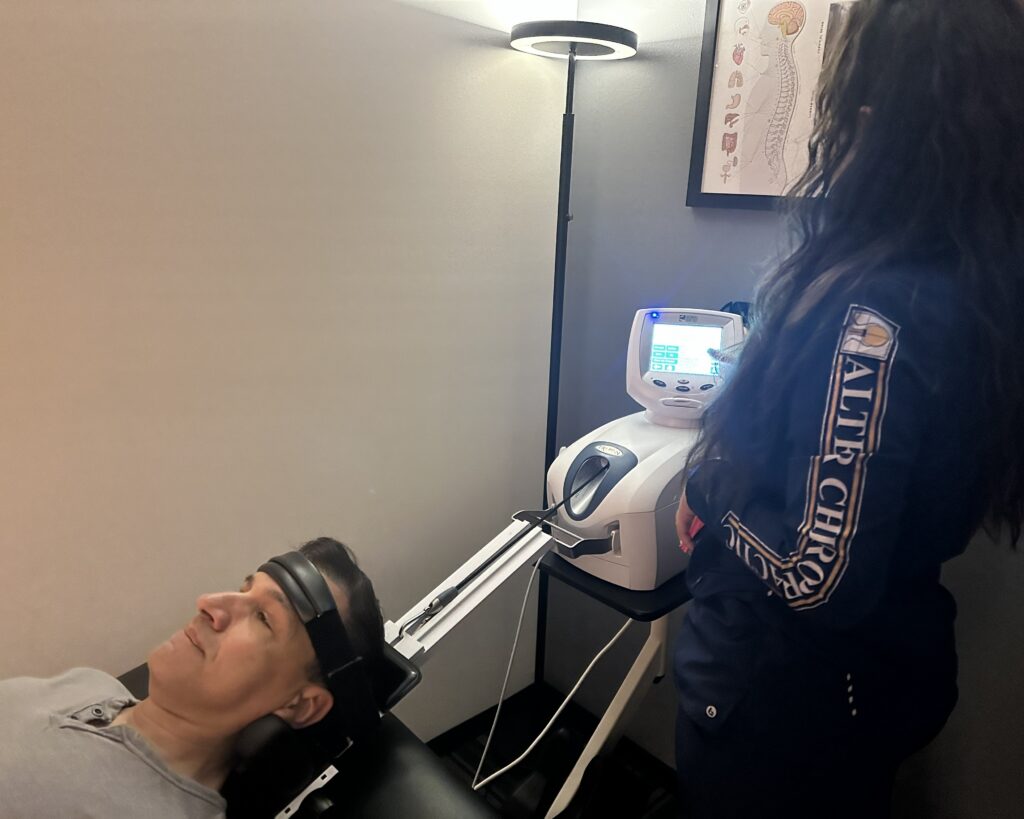

If you’ve ever suffered from a tension headache, you understand how much it can disrupt your daily life. Finding effective techniques to alleviate this discomfort is crucial for maintaining your well-being. While simple lifestyle changes can help, one of the most impactful solutions is chiropractic care.
Chiropractic adjustments can significantly reduce tension in the neck and upper back, which are common culprits behind tension headaches. By realigning the spine and relieving pressure on the nervous system, chiropractic care promotes natural healing and can help ease your headache symptoms.
In addition to regular chiropractic visits, here are some simple strategies you can incorporate into your daily routine to help manage tension headaches:
- Stay Hydrated: Dehydration can contribute to headaches, so make sure you’re drinking enough water throughout the day.
- Practice Good Posture: Poor posture can lead to muscle tension and headaches. Be mindful of your posture when sitting or standing, especially if you spend long hours at a desk.
- Take Breaks: If you’re working or using screens for long periods, take regular breaks to stretch and relax your muscles.
- Manage Stress: Incorporate stress-reducing activities like deep breathing exercises, meditation, or gentle yoga into your routine. These practices can help alleviate tension in your body.
- Sleep Well: Ensure you’re getting adequate sleep each night. Quality rest is essential for your body’s recovery and overall health.
- Heat and Cold Therapy: Apply a warm compress or a cold pack to your forehead or neck to help relieve muscle tension and discomfort.
- Regular Chiropractic Care: Regular chiropractic adjustments can help maintain spinal alignment and reduce the frequency and intensity of tension headaches.
By integrating these techniques into your lifestyle, you can enhance your overall well-being and reduce the occurrence of tension headaches. Remember, chiropractic care is a natural and effective approach to managing pain and promoting a healthier, more balanced life. If you’re struggling with tension headaches, consider visiting your local chiropractor to explore how tailored adjustments can help you find relief.
Key Takeaways
Here are several effective techniques to help relieve tension headaches, with a strong emphasis on how chiropractic care can play a crucial role in your overall wellness:
- Chiropractic Adjustments: Regular visits to a chiropractor can help align your spine and improve your posture. This not only alleviates tension but also promotes better nervous system function, which is essential for overall health and can significantly reduce headache frequency and intensity.
- Mindfulness Meditation: Incorporating mindfulness meditation into your daily routine can greatly reduce stress and promote relaxation. This practice can be enhanced by your chiropractor’s guidance on how to maintain proper spinal alignment while meditating, aiding in the overall effectiveness of the technique.
- Physical Activity: Engaging in regular physical activities like walking, yoga, or swimming can improve blood circulation and lessen muscle tension. Your chiropractor can recommend specific exercises tailored to your needs, ensuring they support your spine and overall wellbeing.
- Heat and Cold Therapy: Applying heat or cold to areas of muscle tightness can offer relief from headaches. Alternating between heat and cold every 20 minutes can help reduce inflammation and promote relaxation. Your chiropractor can provide advice on which method is best for your specific situation.
- Ergonomic Posture: Maintaining proper posture at your workspace is vital in preventing strain on your spine, which can lead to tension headaches. A chiropractor can evaluate your workspace and suggest adjustments to optimize your posture and reduce discomfort.
- Stress Management Techniques: Incorporating stress management practices such as deep breathing exercises and progressive muscle relaxation can enhance your ability to cope with stress and tension. Your chiropractor can help you learn these techniques and explain how they relate to maintaining a healthy spine.
By prioritizing chiropractic care and integrating these simple techniques into your lifestyle, you can effectively manage tension headaches and promote a healthier, more balanced life. Remember, your spine is the foundation of your health, and caring for it can lead to lasting relief and wellness.
Understanding Tension Headaches
Tension headaches are among the most common types of headaches, often triggered by stress, poor posture, or muscle tension. Many people describe the sensation as a dull, aching pain that usually affects both sides of the head. It can feel like a tight band around your forehead, making it challenging to focus on daily tasks. These headaches can last anywhere from 30 minutes to several days, significantly impacting your quality of life and productivity.
As a local chiropractor, I want to help you understand tension headaches better and encourage you to consider chiropractic care as a natural and effective solution for relief. These headaches often emerge after long hours at a desk or during stressful situations, serving as a signal from your body that it’s time to address the strain. While tension headaches are generally not linked to serious health issues, the discomfort they cause shouldn’t be overlooked.
Recognizing the signs and symptoms of tension headaches can empower you to take charge of your well-being. Chiropractic care focuses on spinal health and alignment, which can play a crucial role in alleviating headache pain. Regular adjustments can help relieve muscle tension, improve posture, and reduce stress, all of which contribute to fewer and less severe headaches.
In addition to chiropractic care, here are some general tips to help manage tension headaches:
- Practice Good Posture: Ensure that your workspace is ergonomically friendly. Keep your computer screen at eye level and use a chair that supports your back.
- Take Regular Breaks: Stand up, stretch, and move around every hour to relieve built-up tension in your muscles.
- Stay Hydrated: Dehydration can contribute to headaches, so make sure you’re drinking plenty of water throughout the day.
- Manage Stress: Incorporate relaxation techniques such as deep breathing, meditation, or yoga into your daily routine to help reduce stress levels.
- Get Enough Sleep: Aim for 7-9 hours of quality sleep each night to help your body recover and manage stress better.
By understanding what tension headaches are and how chiropractic care can help, you’ll be better equipped to address them when they arise.
Identifying Triggers
Many people discover that recognizing the triggers behind their headaches can significantly enhance how they manage them. By identifying these triggers, you can take proactive steps to avoid or lessen their impact, promoting a healthier lifestyle and reducing reliance on medications. Common triggers often include stress, lack of sleep, and poor posture, which can all be linked to spinal health.
As a chiropractor, I encourage you to keep a headache diary to track when your headaches occur and what might have contributed to them. This practice not only helps you identify patterns but also allows you to discuss your findings with your chiropractor, who can offer personalized advice and adjustments to support your wellness.
Here’s a simple table to help you identify potential triggers:
| Trigger | Notes |
|---|---|
| Stress | Identify stressors and consider relaxation techniques like deep breathing or yoga to relieve tension. |
| Sleep Patterns | Track sleep duration and quality; ensure your sleep environment supports spinal alignment. |
| Posture | Evaluate your workspace setup; maintain good posture while sitting to reduce strain on your spine. |
Hydration and Nutrition
Staying hydrated and nourishing your body are key factors in preventing tension headaches, and as a local chiropractor, I want to emphasize how these elements can support your overall wellness and spinal health.
When your body is dehydrated, it may send out warning signals, including headaches. To combat this, make it a habit to drink plenty of water throughout the day, even before you feel thirsty. This simple act can significantly benefit your body and mind.
Nutrition is also vital. A balanced diet that includes a variety of fruits, vegetables, whole grains, and lean proteins gives your body the nutrients it craves. Be mindful of foods that can trigger headaches, like processed snacks and sugary drinks. These can create imbalances that might lead to discomfort.
Instead, aim for regular meals to help maintain stable blood sugar levels, which can reduce the risk of headaches.
Don’t forget the power of magnesium-rich foods, such as nuts and leafy greens. Magnesium is known to help ease tension, making it a valuable addition to your diet.
By prioritizing hydration and nutrition, you’re not just taking care of yourself; you’re making a proactive choice to support your spinal health and overall well-being.
Incorporating these habits into your life can complement the benefits of chiropractic care, which focuses on natural healing and pain relief.
Regular Physical Activity
Engaging in regular physical activity is a powerful way to prevent tension headaches and enhance your overall well-being, and as a chiropractor, I want to emphasize how this connects to your spinal health. Incorporating exercise into your daily routine boosts blood circulation and can help reduce muscle tension, which is crucial for maintaining a healthy spine.
Activities like walking, cycling, or yoga not only strengthen your body but also promote relaxation and release endorphins—natural pain relievers that can complement the benefits of chiropractic care.
Aim for at least 30 minutes of moderate exercise most days of the week. You don’t need to join a gym; even simple activities like gardening or dancing can have a positive impact on your health.
Be mindful of how your body feels as you engage in these activities; listen to its signals and choose exercises that you enjoy. This will make it easier to stay consistent, which is key to managing tension headaches and supporting your overall health.
Remember, chiropractic care plays a vital role in achieving optimal health and wellness. Regular adjustments can help align your spine, alleviate tension, and enhance your body’s ability to heal naturally.
Stress Management Techniques
Managing stress is essential not only for overall well-being but also for preventing tension headaches. As a local chiropractor, I believe that natural healing and wellness come from understanding and caring for your body, starting with your spine. Several techniques can help you manage stress effectively, and they complement chiropractic care beautifully.
Mindfulness meditation practices can help center your thoughts and promote relaxation. Taking a few moments each day to focus on your breath and be present can significantly reduce stress levels. Coupled with regular chiropractic adjustments, which help align your spine and improve nervous system function, you may find that your body handles stress much better.
Deep breathing exercises are another fantastic tool. When you take deep, intentional breaths, you can lower your heart rate and trigger a relaxation response in your body. This technique can be easily practiced at home or even during a chiropractic visit, enhancing the benefits of your treatment.
Progressive muscle relaxation is also worth trying. By tensing and then relaxing different muscle groups, you can release built-up tension. This practice, combined with chiropractic care, can lead to an even greater sense of relief, as a properly aligned spine supports overall muscle function and relaxation.
Incorporating these stress management techniques into your daily routine can help reduce the frequency of tension headaches and improve your overall health.
Remember, chiropractic care is a powerful ally in your journey to wellness. By focusing on spinal health and natural healing, you can achieve optimal health without the need for surgeries or medications.
Take control of your health today with these simple practices and regular chiropractic visits!
Mindfulness Meditation Practices
Incorporating mindfulness meditation into your daily routine can be a powerful tool for reducing stress, a common trigger for tension headaches. As a chiropractor, I want to emphasize that managing stress is an essential part of achieving optimal health and wellness.
Mindfulness encourages you to focus on the present moment, helping you become aware of your thoughts and feelings without judgment, which can be incredibly beneficial for your overall well-being.
To get started, find a quiet space where you won’t be disturbed. Sit comfortably, close your eyes, and take a few deep breaths. As thoughts arise, acknowledge them without getting caught up, and gently return your focus to your breath. Just a few minutes of this practice each day can lead to significant improvements in your mental clarity and stress levels.
Alongside mindfulness, consider regular chiropractic adjustments to help maintain proper spinal alignment, which can also play a crucial role in reducing tension headaches. Chiropractic care focuses on natural healing and can enhance your body’s ability to manage stress and discomfort effectively.
Remember, taking care of your spine is vital for your overall health. By combining mindfulness meditation with chiropractic care, you can create a holistic approach to pain relief and wellness.
Embrace these practices, and you’ll likely see a positive transformation in your health and quality of life.
Deep Breathing Exercises
As a chiropractor, I understand how frustrating tension headaches can be. One effective method to relieve these headaches is through deep breathing exercises. Not only do these exercises help reduce stress and promote relaxation, but they also complement the benefits of chiropractic care, which focuses on restoring balance and wellness in your body.
To get started, find a comfortable position, whether sitting or lying down. Begin by inhaling deeply through your nose, allowing your abdomen to rise as you fill your lungs. Hold that breath for a moment, and then exhale slowly through your mouth. Repeat this process several times to help ease your tension.
Here’s a simple guide to follow:
| Step | Action | Duration |
|---|---|---|
| 1 | Inhale deeply | 4 seconds |
| 2 | Hold your breath | 4 seconds |
| 3 | Exhale slowly | 6 seconds |
| 4 | Repeat | 5-10 minutes |
Incorporating these deep breathing exercises into your daily routine can enhance your overall stress management and may lead to fewer headaches. Remember, regular chiropractic adjustments can also help by addressing the root causes of tension in your body, promoting better alignment and function.
For optimal health, consider making deep breathing a part of your wellness routine alongside chiropractic care. Together, they can help you achieve a more balanced, pain-free life.
Progressive Muscle Relaxation
While deep breathing exercises can be beneficial, progressive muscle relaxation (PMR) is another effective method to help alleviate tension headaches, which can often be linked to spinal misalignments and muscle tension. This technique involves systematically tensing and then relaxing different muscle groups throughout your body, helping to relieve stress and promote overall wellness.
To practice PMR, start by finding a quiet space where you won’t be disturbed. Begin with your feet—clench them tightly for a few seconds and then release the tension. Gradually work your way up through your legs, abdomen, arms, and neck, repeating the process with each area. As you relax each muscle group, visualize the tension melting away.
This technique can be particularly helpful in complementing your chiropractic care, as it encourages relaxation and helps to reduce muscle tightness that can contribute to headaches.
In addition to practicing PMR, maintaining good posture and ensuring your spine is properly aligned through regular chiropractic adjustments can greatly enhance your overall well-being. Incorporating these techniques into your routine can help you manage stress more effectively, making it easier to cope with daily pressures and prevent future headaches.
Proper Posture
Maintaining proper posture is crucial for preventing tension headaches, particularly if you find yourself sitting at a desk for extended periods. As a chiropractor, I want to emphasize that the health of your spine plays a vital role in your overall well-being.
By creating an ergonomic workspace and practicing mindful sitting, you can significantly reduce strain on your neck and shoulders, which is where tension headaches often originate.
Here are some simple tips to improve your posture and enhance your comfort throughout the day:
- Adjust Your Chair: Ensure your chair supports your lower back. A chair with lumbar support can help maintain the natural curve of your spine.
- Monitor Height: Your computer screen should be at eye level. This prevents you from leaning forward or looking down, which can lead to neck strain.
- Feet Flat on the Ground: Keep your feet flat on the floor or on a footrest. This helps maintain proper alignment and reduces pressure on your lower back.
- Take Regular Breaks: Stand up and stretch every 30 minutes. This not only helps relieve tension but also promotes better circulation.
- Mindful Sitting: Pay attention to your sitting posture. Keep your shoulders relaxed and your back straight. Avoid slumping or leaning to one side.
Remember, these adjustments can make a significant difference in your daily comfort.
If you’re experiencing persistent headaches, consider visiting a chiropractor. We provide natural healing solutions that focus on spinal health, which can help alleviate your symptoms and promote overall wellness.
Ergonomic Workspace Setup
To effectively reduce tension headaches, creating an ergonomic workspace is essential. An optimal workspace not only promotes better posture but also alleviates strain on your body, which can be vital for your spinal health.
As a chiropractor, I encourage you to consider these four key tips for an ergonomic setup that can enhance your overall well-being and complement the benefits of chiropractic care:
- Chair Height: Ensure your chair is adjusted so that your feet rest flat on the floor, with your knees forming a 90-degree angle. This position supports your spine and helps prevent discomfort in your neck and back.
- Monitor Position: Place your monitor at eye level, about an arm’s length away. This setup helps avoid unnecessary neck strain, allowing your spine to maintain its natural curvature, which is critical for overall health.
- Keyboard and Mouse: Keep your keyboard and mouse close to your body. Your elbows should stay at your sides to reduce tension in your shoulders and wrists. This position helps support proper spinal alignment and reduces the risk of repetitive strain injuries.
- Lighting: Ensure that your workspace has adequate lighting to minimize glare on your screens. Proper lighting reduces eye strain and can help keep your posture in check, as you won’t be leaning forward to see better.
Implementing these simple changes can significantly enhance your comfort and well-being, reducing the likelihood of tension headaches.
Remember, regular visits to your chiropractor can further support your journey to optimal health, ensuring that your spine remains aligned and functioning at its best.
Embrace these tips and consider chiropractic care as a natural and effective pathway to a healthier, pain-free life.
Mindful Sitting Practices
A mindful approach to sitting is essential for your comfort and overall health, and it aligns perfectly with the principles of chiropractic care. When you sit, make sure your back is straight, your shoulders are relaxed, and your feet are flat on the ground. Your knees should be at or just below hip level to promote proper spinal alignment.
Keeping your head aligned with your spine is crucial; resist the urge to lean forward, as this posture can place unnecessary strain on your neck and back, leading to discomfort and tension headaches.
As a chiropractor, I encourage you to take regular breaks to stretch and move around. This simple practice helps release built-up tension and keeps your muscles and spine healthy. Incorporating deep breathing exercises while you sit can also enhance relaxation, allowing your body to better cope with stress.
By adopting these mindful sitting techniques, you’re not just enhancing your comfort; you’re investing in your long-term well-being.
Relaxation Exercises
Although tension headaches can be a significant source of discomfort, there are natural ways to alleviate this pain and promote overall wellness. As a chiropractor, I believe that incorporating relaxation exercises into your daily routine can’t only ease tension but also enhance your spinal health.
Here are four effective relaxation techniques you can try that complement chiropractic care:
- Deep Breathing: Take a moment to inhale deeply through your nose, hold for a few seconds, and then exhale slowly through your mouth. This simple exercise can help calm your nervous system and reduce muscle tension. Aim to practice this for several minutes, especially during stressful times.
- Progressive Muscle Relaxation: Starting from your toes, tense each muscle group for five seconds, then consciously relax them. Work your way up through your legs, abdomen, arms, and finish with your head. This practice not only helps release physical tension but also promotes awareness of your body, which is essential for maintaining spinal health.
- Visualization: Close your eyes and picture a serene place, like a beach or a lush forest. Focus on the sights, sounds, and feelings associated with that peaceful environment. This mental escape can reduce stress and tension in your body, contributing to a healthier spine.
- Gentle Stretching: Incorporate gentle neck rolls and shoulder shrugs into your routine to alleviate tension held in your upper body. Hold each stretch for 15-30 seconds; this not only relaxes tight muscles but also supports spinal alignment.
By regularly practicing these relaxation techniques, you’re not just easing headache discomfort; you’re nurturing your overall health and well-being.
Heat and Cold Therapy
When you’re experiencing a tension headache, incorporating heat and cold therapy can provide quick and effective relief. Applying heat helps to ease muscle tension, which is often a contributing factor to headaches.
On the other hand, cold therapy can numb the pain and reduce inflammation, making it a great option for immediate relief.
As your local chiropractor, I recommend trying a combination of both heat and cold therapy to enhance their benefits. This dual approach can help you achieve a more effective treatment and promote overall wellness.
In addition to these therapies, consider other natural ways to support your health. Regular chiropractic adjustments can help align your spine, reducing the frequency and intensity of headaches.
Practicing good posture, staying hydrated, and incorporating relaxation techniques like deep breathing or gentle stretching into your routine can also be beneficial.
Remember, taking a proactive approach to your health and wellness can lead to long-term relief and a better quality of life.
If headaches persist, don’t hesitate to consult with your chiropractor for personalized care tailored to your needs. Together, we can work towards achieving optimal health naturally!
Heat Application Benefits
One effective way to alleviate tension headaches is through heat application. This simple method can do wonders by relaxing tight muscles and enhancing blood circulation. Here’s how it benefits you, and why combining it with chiropractic care can lead to even better outcomes:
- Muscle Relaxation: Heat therapy helps to ease tightness in your neck and shoulders, which are often culprits behind headaches. When you incorporate chiropractic adjustments with heat therapy, you can maximize muscle relaxation and promote better spinal alignment.
- Increased Blood Flow: Applying heat encourages improved circulation, which delivers oxygen and nutrients to your muscles. This is crucial for healing and can be further supported by chiropractic care that focuses on spinal health and overall body function.
- Pain Relief: The warmth can interrupt pain signals, offering immediate relief from discomfort. Chiropractic care complements this by addressing the root causes of your headaches, ensuring you not only feel better in the moment but also prevent future pain.
- Stress Reduction: Heat therapy promotes relaxation and helps reduce overall stress levels, a common headache trigger. Pairing this with regular chiropractic visits can enhance your body’s ability to cope with stress, leading to a healthier, more balanced lifestyle.
General Tips:
- Consider applying a warm compress to your neck or shoulders for 15-20 minutes while practicing deep breathing exercises.
- Stay hydrated, as dehydration can also contribute to headaches. Drinking plenty of water supports your overall health and enhances the benefits of heat therapy.
- Regular chiropractic adjustments can help maintain proper spinal alignment, reducing the frequency and severity of tension headaches.
Incorporating heat therapy along with chiropractic care can be a powerful combination for achieving optimal health and wellness. Embrace these natural methods to take control of your wellness journey!
Cold Therapy Effects
Cold therapy can be a beneficial tool in your wellness arsenal, especially when it comes to easing tension headaches. As a local chiropractor, I want to share how simple techniques like this can complement your chiropractic care for optimal health.
By applying a cold pack or ice wrapped in a cloth to your forehead or neck, you can help constrict blood vessels and reduce inflammation. This numbing effect often alleviates the pain and discomfort associated with tension headaches.
In addition to reducing headache pain, cold therapy can also aid in relaxing tight muscles, which is vital for overall relief. I recommend applying cold for about 15 to 20 minutes at a time. Just remember to always wrap ice in a cloth to protect your skin from frostbite.
Integrating cold therapy into your routine can be a great complement to the adjustments and treatments you receive in chiropractic care. Together, these approaches can provide a more comprehensive strategy for managing tension headaches and promoting overall wellness.
Keep in mind that regular chiropractic adjustments help maintain spinal alignment and prevent issues that could lead to headaches, so consider making them a part of your health journey.
Combining Heat and Cold
Combining heat and cold therapy can be a powerful, natural way to relieve tension headaches, and as a chiropractor, I believe in the importance of exploring non-invasive options for pain relief.
Here’s how you can effectively use both methods to enhance your comfort and well-being:
- Start with a cold pack: Apply a cold pack to your forehead for 15-20 minutes. This helps numb the pain and reduce any inflammation, providing immediate relief. Cold therapy can be particularly effective in calming those sharp headaches.
- Follow up with heat on your neck: After the cold treatment, switch gears and use a warm compress or heating pad on your neck and shoulders. This warmth helps to relax tight muscles that may be contributing to your headache, promoting overall relaxation.
- Alternate between heat and cold: To maximize your relief, consider alternating between heat and cold every 20 minutes. This technique can enhance circulation and further alleviate tension, giving you a greater sense of comfort.
- Stay hydrated: Don’t forget to drink plenty of water during this process! Staying hydrated can significantly help in reducing headaches, as dehydration is often a contributing factor.
Incorporating these natural remedies into your routine can be a great complement to chiropractic care, which works to restore balance and alignment in your body.
Remember, regular chiropractic adjustments can help prevent headaches by addressing underlying spinal issues.
If you’re struggling with persistent headaches, consider scheduling a visit to discuss how chiropractic care can support your journey to optimal health and wellness.
Over-the-Counter Medications
When tension headaches strike, it can be challenging to focus and enjoy your day. While some people may reach for over-the-counter medications like acetaminophen, ibuprofen, or aspirin for quick relief, it’s essential to consider a more holistic approach to managing headache pain.
Chiropractic care is a fantastic option for those suffering from tension headaches. By addressing spinal misalignments and improving your overall posture, a chiropractor can help alleviate the tension that contributes to headache pain. Regular adjustments not only target the source of discomfort but also promote better nervous system function, which can lead to fewer headaches over time.
In addition to chiropractic adjustments, there are several natural strategies you can incorporate into your daily routine to help prevent tension headaches. Staying hydrated is crucial, as dehydration can trigger headaches. Aim to drink plenty of water throughout the day.
Managing stress through relaxation techniques, such as deep breathing exercises, yoga, or meditation, can also be beneficial. These practices help reduce muscle tension and promote mental clarity, making it less likely for headaches to occur.
Paying attention to your posture, especially if you spend long hours at a desk, can make a significant difference. Ensure your workspace is ergonomically designed to reduce strain on your neck and shoulders. Take regular breaks to stretch and move around, as this helps keep your muscles relaxed and reduces tension buildup.
If you find yourself frequently experiencing headaches, it may be time to evaluate your lifestyle and identify potential triggers. Keeping a headache diary can help you pinpoint patterns and make necessary adjustments to your habits.
Ultimately, while over-the-counter medications may offer temporary relief, chiropractic care provides a natural, effective solution for achieving long-term wellness and reducing headache frequency. Embrace a healthier lifestyle through chiropractic treatments, and discover how your body can heal itself naturally.
When to Seek Professional Help
How can you tell when it’s time to seek professional help for your tension headaches? While many headaches can often be managed effectively at home, there are certain signs that indicate it’s wise to consult a healthcare professional, particularly a chiropractor who specializes in natural healing and wellness. Here are some important indicators to consider:
- Frequency: If your headaches occur more than twice a week or start to interfere with your daily activities, it may be time to seek help. Frequent headaches can often be a sign of underlying issues that chiropractic care can address.
- Severity: If the pain becomes unbearable or doesn’t improve with home remedies like rest or hydration, it’s a good idea to consult with a chiropractor. They can provide hands-on techniques to relieve tension and align your spine, which may significantly help reduce headache pain.
- Duration: When headaches last longer than 72 hours or seem to get worse over time, it’s essential to seek professional advice. Chiropractors can assess your spine and posture, identifying any misalignments that may be contributing to prolonged discomfort.
- Accompanying Symptoms: If you notice visual disturbances, nausea, or any unusual neurological symptoms like weakness or numbness, it’s important to reach out to a healthcare provider. Chiropractors are skilled in identifying the root causes of these symptoms and can help guide you toward relief through natural methods.
Listening to your body is crucial. If you experience any of these warning signs, don’t hesitate to reach out to a chiropractor. Early intervention can help identify underlying issues and lead to more effective, natural treatment options focused on restoring your health without the need for medications or surgeries.
In addition to seeking help, consider some general tips to manage your tension headaches at home:
- Stay Hydrated: Drink plenty of water to prevent dehydration, which can trigger headaches.
- Practice Good Posture: Ensure your workspace is ergonomically friendly. Sitting up straight can help reduce tension in your neck and shoulders.
- Incorporate Relaxation Techniques: Try deep breathing exercises, meditation, or gentle yoga to help alleviate stress and tension.
- Regular Chiropractic Adjustments: Regular visits to a chiropractor can help maintain spinal alignment and reduce the frequency and intensity of headaches.
Conclusion
Incorporating these techniques can significantly assist you in managing and relieving tension headaches, and chiropractic care can play a pivotal role in your journey toward wellness. By understanding your triggers, maintaining proper hydration, and engaging in regular physical activity, you can help reduce the frequency and intensity of your headaches.
Chiropractic care focuses on spinal health, which is essential for overall wellness. Misalignments in the spine can contribute to tension and discomfort, leading to headaches. Regular chiropractic adjustments can help realign your spine, enhance your body’s natural healing abilities, and alleviate tension headaches effectively.
In addition to chiropractic care, practicing stress management and relaxation exercises can be beneficial. Techniques like deep breathing, yoga, or meditation can help you unwind and reduce muscle tension. You may also find heat or cold therapy helpful for immediate relief—applying a warm compress or an ice pack to the affected area can soothe discomfort.
Remember, if your headaches persist, it’s important to consult with a chiropractor who can provide personalized care tailored to your needs. Taking proactive steps now, including regular chiropractic visits, can lead to a more comfortable, headache-free life. Your journey to optimal health starts with understanding and caring for your body.